Kishan Reddy Hails Exam Fraud Amendment Bill's Parliament Passage
Synopsis
Parliament has passed the Public Examinations (Prevention of Unfair Means) Amendment Bill, 2026, extending the 2024 anti-paper-leak law with stiffer penalties. Union Minister G. Kishan Reddy shared PM Modi's warning that exam fraudsters will face the strictest legal action, marking the government's sharpest legislative push yet to protect student aspirations.
Key Takeaways
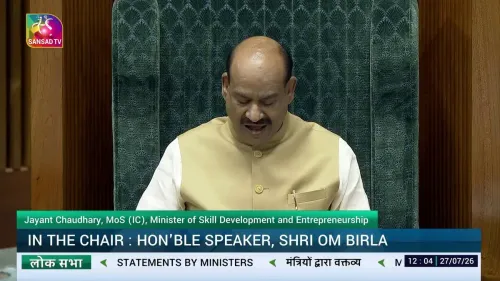
Both Houses of Parliament passed the Public Examinations (Prevention of Unfair Means) Amendment Bill, 2026 on July 30, 2026 .
The amendment builds on the original 2024 Act that first criminalised paper leaks and exam fraud at the central level, extending penalties and enforcement mechanisms.
PM Narendra Modi warned that those involved in paper leaks or examination fraud 'will face the strictest legal action.' The legislative push follows high-profile malpractice controversies in exams including NEET and UGC-NET that eroded public trust in India's examination system.
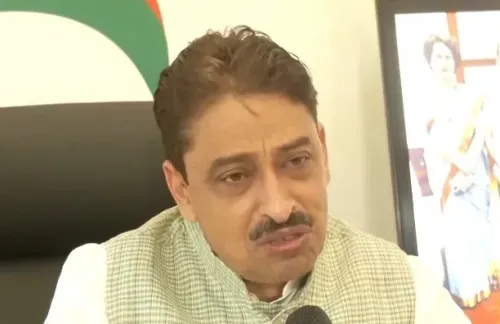
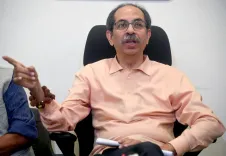
Kishan Reddy , also BJP Telangana state president, shared PM Modi's remarks, framing the bill as a flagship pro-youth, anti-corruption commitment.
Notification of rules, new oversight bodies, and first prosecutions under the amended Act are the next milestones to watch.
Millions of students who lost sleep over paper leaks and rigged competitive exams now have a sharper legal shield. Union Coal and Mines Minister G. Kishan Reddy on Thursday, July 30, 2026, welcomed the passage of the Public Examinations (Prevention of Unfair Means) Amendment Bill, 2026 by both Houses of Parliament, calling it a decisive step toward fair and credible public examinations — and sharing Prime Minister Narendra Modi's remarks on the landmark legislation.
From 2024 Crisis to 2026 Crackdown
The amendment does not emerge in a vacuum. The original Public Examinations (Prevention of Unfair Means) Act, 2024 was itself a crisis-response — Parliament's answer to a cascade of high-profile malpractices, including leaks in NEET and UGC-NET, that shook public trust in India's examination ecosystem. That law criminalised paper leaks and unfair practices for the first time at the central level. The 2026 Amendment goes further, extending penalties and tightening enforcement mechanisms introduced two years earlier.
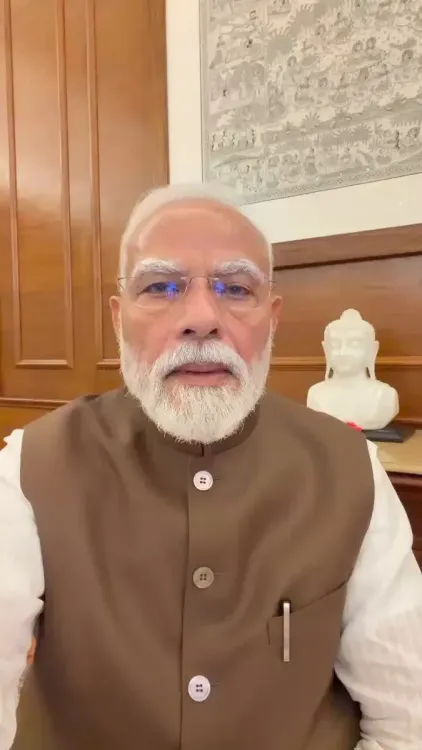
Kishan Reddy shared video of Prime Minister Narendra Modi addressing the legislation, in which Modi reaffirmed the government's 'unwavering commitment to safeguarding the aspirations of millions of students' and warned that those involved in paper leaks, examination fraud, or any attempt to compromise the future of India's youth 'will face the strictest legal action.'
What the Amendment Means for Exam Aspirants
The legislative arc here is significant. Before 2024, examination fraud was largely handled under a patchwork of state laws and general provisions of the Indian Penal Code — slow, inconsistent, and rarely deterrent enough. The 2024 Act centralised the framework. The 2026 Amendment, now cleared by both the Lok Sabha and the Rajya Sabha, signals that the government views examination integrity not as a one-time fix but as an evolving legal commitment. Every round of malpractice that slipped through the 2024 net has, in effect, informed what the amendment targets next.
For the crores of students who sit competitive exams each year — from UPSC to state recruitment boards — the practical question is enforcement: how quickly rules are notified, whether new oversight bodies are constituted, and when the first prosecutions under the updated provisions land in court.
Modi's Message and the Political Stakes
By amplifying the Prime Minister's direct remarks, Kishan Reddy — who also serves as BJP Telangana state president — frames the amendment as a flagship anti-corruption, pro-youth signal ahead of what remains a politically charged education landscape. The NEET controversy in particular became a national flashpoint, drawing protests from students and opposition parties alike. Passing a tougher amendment through both houses is the government's most direct legislative rebuttal to those charges.
The next test is implementation. Notification of rules, the constitution of any new oversight authority, and the first successful prosecution under the amended Act will determine whether the law's deterrent promise translates into lived reality for exam aspirants across India.
Point of View
And the amendment signals that those crises are being treated as a template for further reform rather than a closed chapter. By having a senior minister amplify the Prime Minister's personal remarks on the bill, the BJP is deliberately personalising accountability for examination integrity at the highest level. The real test of political credibility, however, will be the speed and visibility of the first prosecutions — legislation without enforcement has historically done little to deter organised exam mafias in India.
NationPress
14 Sept 2026
Frequently Asked Questions
What is the Public Examinations (Prevention of Unfair Means) Amendment Bill, 2026?
It is a 2026 amendment to the original 2024 Act that criminalised paper leaks and exam fraud in central public examinations. The amendment extends penalties and tightens enforcement mechanisms to further protect the integrity of competitive exams in India.
Why was the exam fraud amendment bill passed in 2026?
The government introduced the amendment to strengthen the 2024 law in response to continued concerns about malpractice in high-stakes exams. The original Act was itself triggered by high-profile leaks in NEET and UGC-NET that sparked nationwide protests.
What did PM Modi say about the exam fraud bill?
Prime Minister Modi reaffirmed the government's commitment to safeguarding student aspirations and warned that anyone involved in paper leaks, examination fraud, or any attempt to compromise youth futures will face the strictest legal action.
What exams does the Public Examinations Act cover?
The Act covers central public examinations conducted by bodies such as UPSC, SSC, and national-level recruitment and entrance boards. State-level adoption of the framework remains a separate question for individual state governments.
What happens next after the 2026 exam fraud amendment is passed?
The government must notify the rules under the amended Act, potentially constitute new oversight bodies, and begin enforcement. The first prosecutions under the updated provisions will be a key indicator of how effectively the law deters exam malpractice.