CM Fadnavis to declare 2 Maharashtra forests wildlife sanctuaries

Synopsis
Chief Minister Devendra Fadnavis announced on 27 October 2026 that two forest areas in Maharashtra will be declared wildlife sanctuaries, expanding the state's protected-area network under the Wildlife (Protection) Act. Formal notifications and boundary demarcation are the next steps.
Key Takeaways
CM Devendra Fadnavis announced on 27 October 2026 that two forest areas in Maharashtra will be declared wildlife sanctuaries.
The declaration will be made under the Wildlife (Protection) Act , giving the areas formal legal protection.
Specific names and locations of the two forest areas were not disclosed in the announcement.
Formal government gazette notifications and boundary demarcation surveys are the immediate next steps.
Maharashtra's forests face competing pressures from infrastructure, agriculture, and urban growth alongside conservation goals.
The move adds to an existing network of wildlife sanctuaries and tiger reserves managed by the Maharashtra forest department.
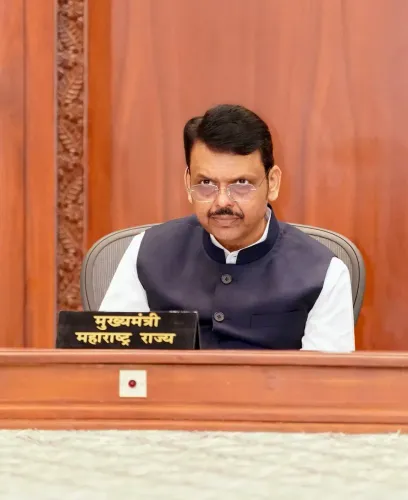
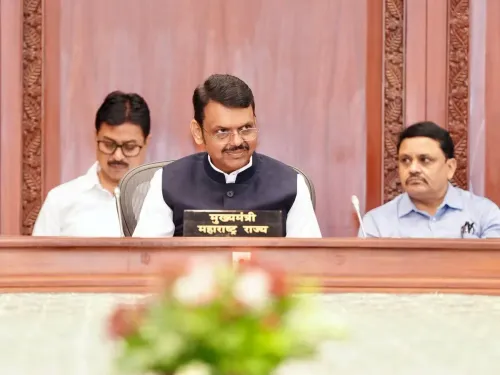
Two forest areas in Maharashtra are set to gain formal protection as wildlife sanctuaries, Chief Minister Devendra Fadnavis announced on Tuesday, 27 October 2026 — a move that signals the state government's intent to expand its network of protected natural habitats amid growing pressure on forest ecosystems.
What the declaration means for Maharashtra's forests
Declaring a forest area a wildlife sanctuary under the Wildlife (Protection) Act gives it legal recognition as a protected zone, restricting certain human activities and mandating a formal management plan. Maharashtra already manages a significant network of sanctuaries and tiger reserves, and each addition to that network represents a concrete firewall against encroachment, mining, and unregulated development.
The announcement by CM Fadnavis — shared through the official Chief Minister's Office of Maharashtra — did not specify the names or locations of the two forest areas. Formal government notifications, boundary demarcation surveys, and management planning will follow as the next steps in the process.
A recurring tension: conservation versus competing land demands
Maharashtra is no stranger to the push-and-pull between biodiversity protection and development. The state carries substantial forest cover across its Western Ghats corridor, Vidarbha belt, and Marathwada fringes — all of which face pressure from infrastructure projects, agricultural expansion, and urbanisation.
State governments across multiple administrations have periodically added to the protected-area network, but the pace has often lagged behind the rate at which forest-adjacent communities, industry, and public works projects compete for the same land. Each new sanctuary designation, when it arrives, tends to draw both applause from conservation groups and concern from communities whose livelihoods are tied to the forest.
Fadnavis's environmental record and what comes next
Devendra Fadnavis, a BJP leader who previously served as Chief Minister between 2014 and 2019, has presided over a state with one of India's more complex environmental governance landscapes — balancing the ecological sensitivity of the Western Ghats with aggressive infrastructure ambition. This latest declaration adds an environmental plank to his current tenure.
The critical next step is the official gazette notification naming the two areas, which will trigger boundary surveys, stakeholder consultations with forest-adjacent communities, and the drafting of sanctuary management plans. Until those notifications are published, the areas remain in a transitional state — announced but not yet legally sealed.
Two forests gaining sanctuary status won't rewrite Maharashtra's environmental story overnight — but every protected hectare locked in now is one that development pressure cannot easily claw back later.
Point of View
But the absence of specific names or locations keeps the policy impact ambiguous for now. For Fadnavis, it provides an early signal on the environmental front of his current term — useful political optics in a state where the Western Ghats ecology remains a live controversy. Conservation advocates will watch closely to see whether the gazette notifications arrive swiftly or stall in bureaucratic process, as past declarations have sometimes done. The real test is not the announcement but the management plan that follows.
NationPress
27 Oct 2026
Frequently Asked Questions
Which two forest areas will be declared wildlife sanctuaries in Maharashtra?
The names and locations of the two forest areas have not yet been officially disclosed. Formal government notifications are expected to name them as the next step in the process.
What does declaring a forest a wildlife sanctuary mean in India?
Under the Wildlife (Protection) Act, a wildlife sanctuary designation restricts certain human activities within the area, mandates a formal management plan, and provides legal protection against encroachment and unregulated development.
Who announced the Maharashtra wildlife sanctuary declaration?
Chief Minister Devendra Fadnavis made the announcement, shared through the official Chief Minister's Office of Maharashtra on 27 October 2026 .
How many wildlife sanctuaries does Maharashtra already have?
Maharashtra manages a significant network of wildlife sanctuaries and tiger reserves under its state forest department; the exact current count was not specified in this announcement.
What happens after a wildlife sanctuary is announced in Maharashtra?
After the announcement, the government must issue a formal gazette notification specifying the area's boundaries, followed by demarcation surveys and the drafting of a sanctuary management plan in consultation with local communities.