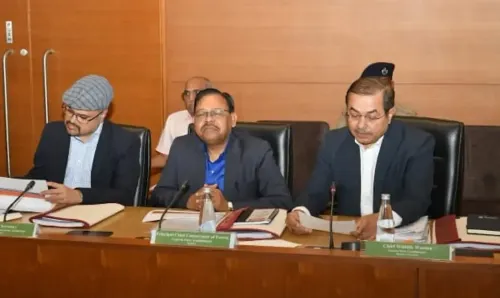
CM Fadnavis expands Maharashtra's wildlife network at 26th Board meet

Synopsis
Chief Minister Devendra Fadnavis chaired Maharashtra's 26th State Wildlife Board meeting in Mumbai on 26 October 2026, approving sanctuary status for Kolamarka and expanded Tansa, 14 new conservation reserves across 7 districts, and critical habitat declarations for Koka and Jayakwadi sanctuaries.
Key Takeaways
Kolamarka Conservation Reserve in Gadchiroli approved for upgrade to wildlife sanctuary to protect the Indian wild buffalo ( ranmhashi ).
New expanded Tansa Wildlife Sanctuary approved, absorbing 588.767 hectares across six villages to make the core settlement-free.
14 conservation reserves approved across Pune, Raigad, Nashik, Nandurbar, Thane, Palghar, and Chandrapur districts.
100.139 sq km of Koka Sanctuary and 255.79 sq km of Jayakwadi Bird Sanctuary declared critical wildlife habitats.
CM Fadnavis set a three-month deadline for revised sanctuary management plans and a one-month deadline for a staff-transfer proposal to the wildlife wing.
Proposals on human-wildlife conflict as a natural disaster and tiger-reserve village relocation policy referred for further legal alignment before finalisation.
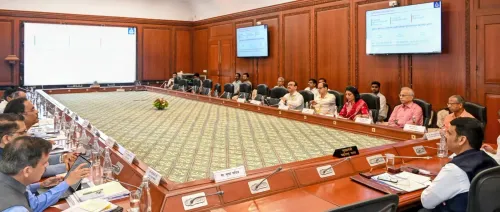
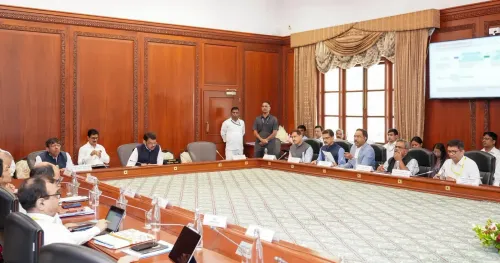
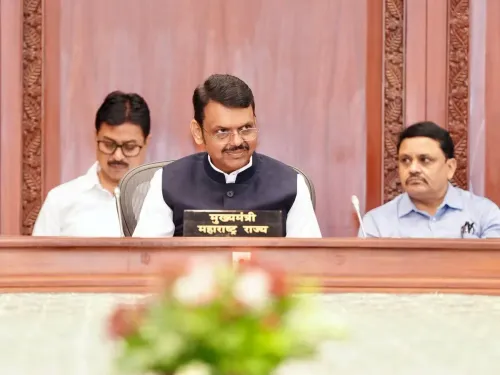
Two new wildlife sanctuaries and 14 conservation reserves across seven districts — Maharashtra just made its biggest single-session expansion of protected natural spaces in years. The Chief Minister's Office of Maharashtra announced on Monday, 26 October 2026 that Chief Minister Devendra Fadnavis presided over the 26th meeting of the Maharashtra State Wildlife Board at Sahyadri Guest House, Mumbai, where a sweeping set of conservation approvals was cleared.
Kolamarka gets sanctuary status to shield Gadchiroli's wild buffalo
The headline decision: the Kolamarka Conservation Reserve in Gadchiroli district — identified as critical habitat for the ranmhashi (Indian wild buffalo) — has been approved for upgrade to full wildlife sanctuary status. This is a significant step for a species whose Vidarbha population sits at the edge of viable numbers. Alongside it, a new expanded Tansa Wildlife Sanctuary zone has been approved, adjoining the existing Tansa Wildlife Sanctuary in the Thane–Palghar corridor.
588 hectares and six villages folded into expanded Tansa
To render the existing Tansa sanctuary free of human habitation — a standard conservation prerequisite — the board approved inclusion of 588.767 hectares of revenue and private land from six villages: Mauze Ogda, Khodde, Tirmal, Pachghar, Phansad, and Amle. The move sets the stage for a settlement-free buffer that wildlife managers have long sought in this water-rich western-ghats-adjacent zone.
14 new conservation reserves across seven districts
The board cleared reserve proposals spanning Pune, Raigad, Nashik, Nandurbar, Thane, Palghar, and Chandrapur districts. The full list includes Velhe and Lonavala (Pune/Raigad), Bhorgirigarh (Pune), Dindori, Surgana, and Taharabaad (Nashik), Chinchpada (Nandurbar), Alibaug and Ghera Manikgad (Raigad), Gumtara (Thane), Jawhar, Asherigad, and Dhamni (Palghar), and Ekara (Chandrapur). Together these sites stitch together biodiversity corridors stretching from the Sahyadri range to the Vidarbha forests.
Koka and Jayakwadi declared critical wildlife habitats
The board also approved critical wildlife habitat declarations for 100.139 sq km within Koka Wildlife Sanctuary and 255.79 sq km within Jayakwadi Bird Sanctuary. Under the Wildlife (Protection) Act, 1972, this designation triggers the strictest tier of legal protection and lays the ground for possible village relocation from core areas.
Fadnavis issues three-month deadline on sanctuary management plans
CM Fadnavis did not limit himself to approvals — he issued a set of operational directives from the chair. Routine dam repair, desilting, and rehabilitation work inside sanctuaries should be absorbed into existing management plans rather than requiring fresh individual clearances each time. A standard operating procedure must be drafted and management plans revised within three months. He also directed that areas already notified as sanctuaries but still managed by the territorial forest department or forest development corporation be transferred to the wildlife wing — with a staffing study and formal proposal due in one month.
The meeting also cleared infrastructure proposals — irrigation, health facilities, water supply, bridges, roads, underground optical fibre cables, and power lines — within protected areas, eco-sensitive zones, and tiger corridors, subject to environmental conditions.
Human-wildlife conflict and tiger-reserve villages on the agenda
Three longer-horizon proposals were discussed but not yet finalised: notifying the core, buffer, and eco-sensitive zones of the state's six tiger projects as silence zones; declaring human-wildlife conflict a natural disaster under the Disaster Management Act; and framing a dedicated policy for relocating willing villages from tiger-reserve buffer zones. CM Fadnavis instructed officials to examine alignment between the Disaster Management Act's district-collector responsibilities, existing compensation frameworks, and forest-department powers before finalising next steps. Minister Ganesh Naik and senior officials were present at the meeting.
The gazette notifications that will legally crystallise today's approvals will be the real test — and the clock is already ticking on Fadnavis's own three-month deadline.
Point of View
And the political framing is deliberate — CM Fadnavis is building an environmental governance record ahead of potential scrutiny over development clearances in eco-sensitive zones. The operational directives (three-month plan revisions, one-month staffing proposals) signal an attempt to move from declaratory conservation policy to administrative accountability, a chronic weakness in Indian wildlife governance. The unresolved question of whether human-wildlife conflict will be declared a natural disaster carries significant fiscal implications — it would unlock disaster-fund compensation mechanisms currently unavailable to farmers in fringe zones. Watch whether gazette notifications follow swiftly or stall, as past Maharashtra sanctuary declarations have sometimes remained in legal limbo for years.
NationPress
26 Oct 2026
Frequently Asked Questions
Which two new wildlife sanctuaries were approved at Maharashtra's 26th Wildlife Board meeting?
The board approved sanctuary status for the Kolamarka Conservation Reserve in Gadchiroli (to protect the Indian wild buffalo) and a new expanded Tansa Wildlife Sanctuary adjoining the existing Tansa sanctuary in the Thane-Palghar region.
Which districts will get new conservation reserves under the Maharashtra Wildlife Board's 26 October 2026 decision?
Fourteen new conservation reserves were approved across Pune, Raigad, Nashik, Nandurbar, Thane, Palghar, and Chandrapur districts, covering sites such as Lonavala, Bhorgirigarh, Alibaug, Jawhar, and Ekara.
What is a critical wildlife habitat and which Maharashtra sanctuaries were declared one?
A critical wildlife habitat is the strictest protection category under the Wildlife (Protection) Act, 1972, allowing for possible human settlement relocation. Koka Wildlife Sanctuary (100.139 sq km) and Jayakwadi Bird Sanctuary (255.79 sq km) received this designation.
How many villages are affected by the expanded Tansa Wildlife Sanctuary?
Six villages — Mauze Ogda, Khodde, Tirmal, Pachghar, Phansad, and Amle — covering 588.767 hectares of revenue and private land have been included in the expanded Tansa Wildlife Sanctuary to make its core area free of human settlements.
What did CM Fadnavis direct regarding human-wildlife conflict at the Wildlife Board meeting?
CM Fadnavis directed officials to examine the legal alignment between the Disaster Management Act's district-collector powers, existing compensation frameworks, and forest-department authority before finalising a proposal to declare human-wildlife conflict a natural disaster.