CM Fadnavis Allots Land to Pimpleshwar Mahadev Temple
Synopsis
Maharashtra CM Devendra Fadnavis attended a gratitude ceremony marking the state's allotment of 4 acres and 25 gunthas of land to Teerthkshetra Shri Pimpleshwar Mahadev Devasthan at a nominal rate via a cabinet resolution, ending a long-pending demand by Mahadev devotees.
Key Takeaways
The Maharashtra government allotted 4 acres and 25 gunthas of land to Teerthkshetra Shri Pimpleshwar Mahadev Devasthan at a nominal rate through a cabinet resolution.
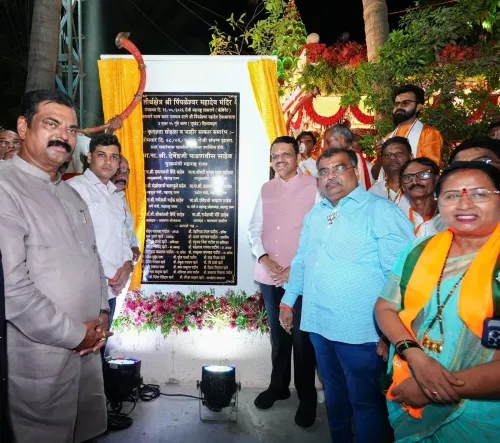
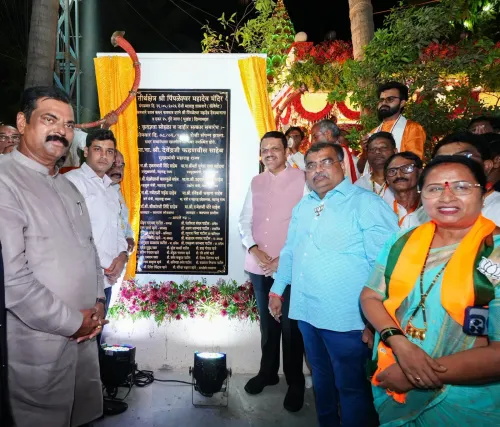
CM Devendra Fadnavis attended the Gratitude Ceremony and Public Felicitation Programme on June 9, 2026 , and unveiled a stone plaque marking the allotment.
Coordination between MIDC and the Revenue Department was cited as key to resolving the long-pending administrative obstacles.
Senior leaders including Minister Uday Samant , MP Dr.
Shrikant Shinde , and BJP State President MLA Ravindra Chavan were present at the event.
Fadnavis reaffirmed the government's commitment to protecting 'faith, culture, and heritage' and fulfilling devotee demands.
Next steps include implementation of development works on the newly allotted land and potential temple infrastructure expansion.
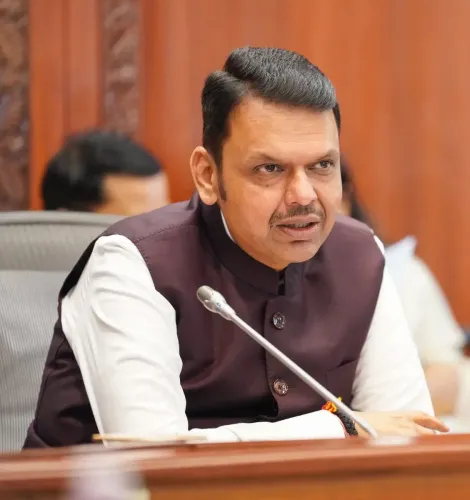
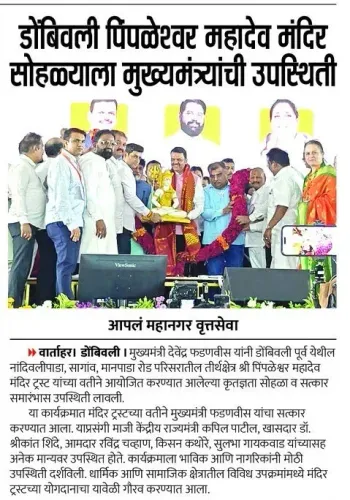
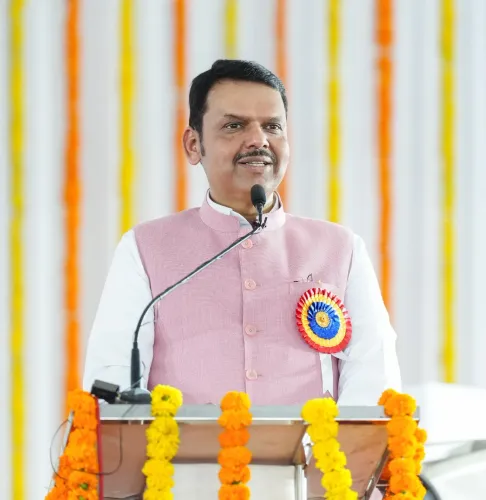
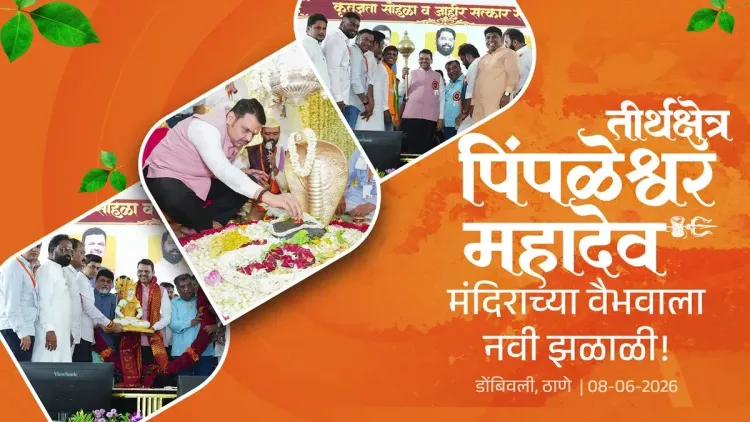
Maharashtra Chief Minister Devendra Fadnavis on Tuesday, June 9, 2026, attended a Gratitude Ceremony and Public Felicitation Programme at Teerthkshetra Shri Pimpleshwar Mahadev Devasthan, marking the state government's allotment of 4 acres and 25 gunthas of land to the temple trust at a nominal rate through a cabinet resolution. The event also featured the unveiling of a stone plaque to commemorate the occasion.
Context
Fadnavis expressed satisfaction that what he described as a 'long-pending issue' for Pimpleshwar Mahadev Temple had finally been resolved, calling it a 'major victory for Mahadev devotees.' He acknowledged the dedication and unity shown by devotees over the course of their sustained campaign. The ceremony brought together elected representatives and local leaders to mark the resolution of the demand.
Senior leaders present at the event included Minister Uday Samant, MP Dr. Shrikant Shinde, BJP State President MLA Ravindra Chavan, MLA Kisan Kathore, MLA Kumar Ailani, MLA Sulbhatai Gaikwad, and MLA Rajesh More, reflecting the political significance attached to the resolution.
Policy Backdrop
The land allotment was executed through a cabinet resolution at a nominal rate — a mechanism Maharashtra governments have periodically employed to transfer public land for religious and heritage institutions following prolonged local campaigns. Coordinated efforts between the Maharashtra Industrial Development Corporation (MIDC) and the Revenue Department were credited with clearing the administrative obstacles that had stalled the file.
Inter-departmental coordination between industrial development agencies and revenue authorities is a recurring feature in such land-transfer cases in the state. The nominal-rate allotment model allows the government to support institutional religious bodies without a full market-rate transaction, a practice with precedent across multiple Maharashtra administrations.
Stakeholders and Impact
For Mahadev devotees and the Teerthkshetra Shri Pimpleshwar Mahadev Devasthan trust, the allotment ends what had been a protracted struggle for formalised land rights. Fadnavis reaffirmed the government's commitment to 'fulfilling the demands of devotees and supporting efforts to protect faith, culture, and heritage,' signalling continued state engagement with religious-cultural institutions.
The presence of multiple MLAs and a sitting MP at the ceremony underscores the local electoral salience of the issue. For the broader Shiva-devotee community in the region, the resolution is being framed as institutional recognition of their campaign.
What's Next
Attention will now shift to the implementation of development works on the newly allotted land and any proposals for temple infrastructure expansion that the trust may advance. The government's willingness to use the cabinet-resolution route for such allotments may also set a reference point for other pending religious-land demands across Maharashtra.
Point of View
Inter-departmental coordination — to resolve long-standing religious-cultural demands ahead of or following electoral cycles. By personally attending the ceremony and reaffirming commitment to faith and heritage, Fadnavis is reinforcing a governance identity that ties administrative delivery to cultural patronage. The multi-MLA presence signals that the issue carries local constituency weight, not merely symbolic value. How quickly the temple trust advances infrastructure plans on the newly allotted land will determine whether this becomes a lasting governance showcase or a ceremonial milestone.
NationPress
24 Oct 2026
Frequently Asked Questions
What land was allotted to Pimpleshwar Mahadev Temple in Maharashtra?
The Maharashtra government allotted 4 acres and 25 gunthas of land to Teerthkshetra Shri Pimpleshwar Mahadev Devasthan at a nominal rate through a cabinet resolution.
Who attended the Pimpleshwar Mahadev Temple gratitude ceremony?
CM Devendra Fadnavis , Minister Uday Samant , MP Dr. Shrikant Shinde , BJP State President MLA Ravindra Chavan , and several other MLAs attended the ceremony on June 9, 2026.
What role did MIDC play in the Pimpleshwar temple land allotment?
MIDC (Maharashtra Industrial Development Corporation) coordinated with the Revenue Department to clear administrative obstacles that had kept the land demand unresolved for an extended period.
How did the Maharashtra government allot land to the Pimpleshwar temple?
The allotment was made at a nominal rate through a cabinet resolution , a mechanism Maharashtra governments have used for religious and heritage institutions following sustained local campaigns.
What is Teerthkshetra Shri Pimpleshwar Mahadev Devasthan?
It is a temple trust dedicated to Lord Shiva whose long-pending demand for formal land rights was addressed by the Maharashtra state government through a cabinet-approved allotment in 2026.