CM Fadnavis Champions Modi's Coal Gasification Vision at Mumbai Roadshow
Synopsis
Maharashtra CM Devendra Fadnavis on 18 June 2026 endorsed PM Narendra Modi's vision to convert India's coal reserves into economic value through gasification, amplifying the message at a Mumbai roadshow organised to attract investment into the sector.
Key Takeaways
CM Devendra Fadnavis publicly backed PM Modi 's coal gasification vision at a Mumbai roadshow on 18 June 2026 .
The event was organised specifically to promote coal gasification investment, with the Prime Minister's handle tagged in the post.
India's national target is to gasify 100 million tonnes of coal by 2030 to produce syngas for chemicals and fertilisers.
The initiative is part of the Atmanirbhar Bharat drive to reduce import dependence for natural gas and petrochemical feedstocks.
Key beneficiaries include coal mining firms and the chemical fertiliser industry , with downstream gains possible for farmers.
Follow-up investment announcements and state-level MoUs are expected in the weeks after the roadshow.
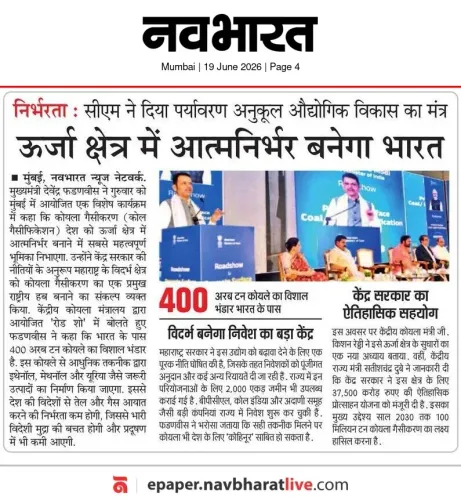
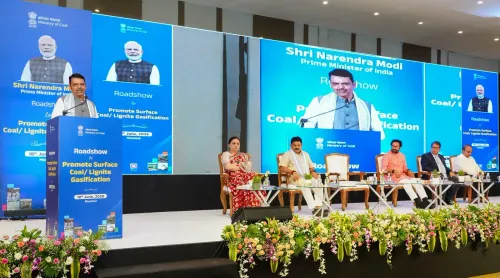
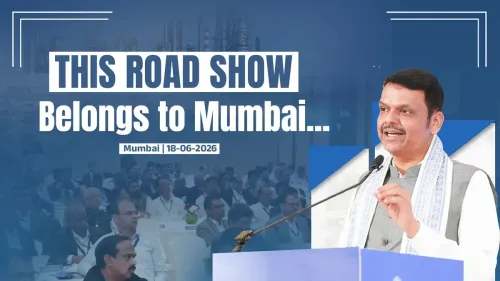
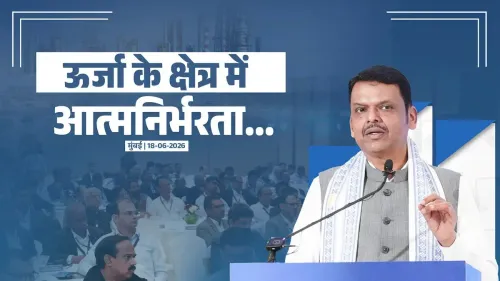
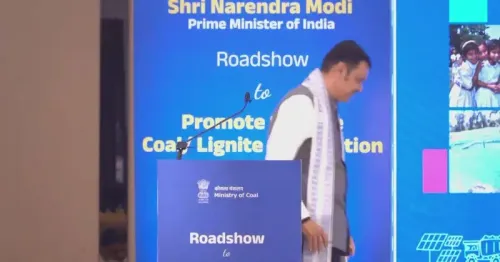
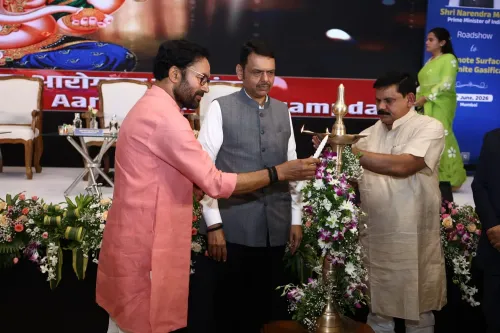
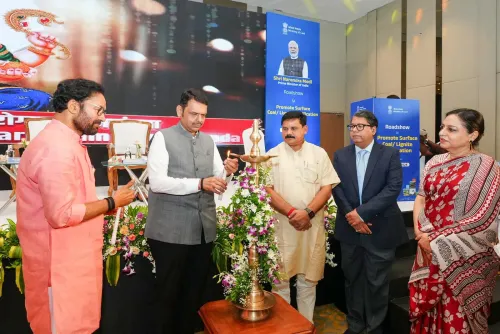
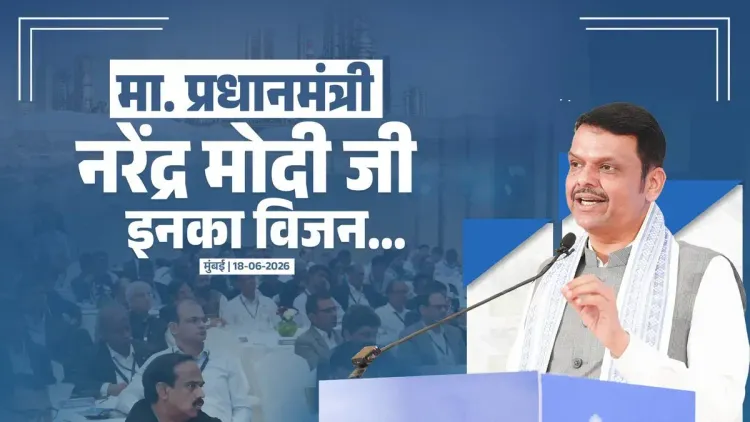
Maharashtra Chief Minister Devendra Fadnavis on Thursday, 18 June 2026, endorsed Prime Minister Narendra Modi's vision to transform India's vast coal reserves into economic value through gasification technology, amplifying the message at a dedicated roadshow held in Mumbai to promote coal gasification investment.
Context
Sharing the event on social media, CM Fadnavis posted in both Marathi and Hindi, describing the Prime Minister's ambition as a vision 'bharatacha koḷaśyāca sāṭhyālā gāsifikēśanacyā mādhyamātūna arthavyavasthēta parivartita karaṇe' — 'to convert India's coal reserves into economic value through gasification.' The roadshow, organised specifically to promote coal gasification, was held in Mumbai on 18 June 2026 and was tagged to Prime Minister Modi's official handle.
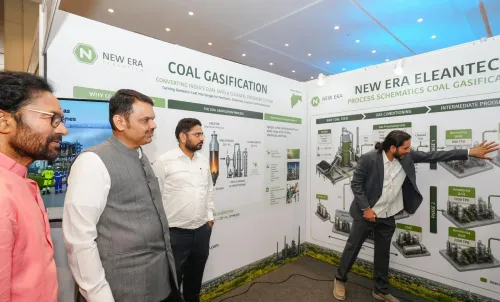
The event underscores the Union government's push to move beyond conventional thermal use of coal and unlock its potential as a feedstock for chemicals, fertilisers, and synthetic gas.
Policy Backdrop
In 2020, the Government of India announced a national target to gasify 100 million tonnes of coal by 2030, producing syngas that can substitute imported natural gas and serve as a raw material for the fertiliser and petrochemical industries. The Ministry of Coal has since been the nodal body driving this agenda, working to attract private and public sector investment into gasification plants.
The initiative fits squarely within the Atmanirbhar Bharat framework, which seeks to reduce India's dependence on imported energy and petrochemical feedstocks by monetising the country's large domestic coal endowment through modern conversion technologies.
Stakeholders and Impact
The primary beneficiaries of a scaled-up coal gasification programme include coal mining companies, which gain a higher-value market for their output, and the chemical fertiliser industry, which could source domestically produced syngas in place of imported natural gas or naphtha. Farmers stand to benefit indirectly if cheaper domestic feedstock reduces the cost of fertiliser production.
Maharashtra's participation through a state-level roadshow signals that even states not traditionally identified as major coal producers are being drawn into the investment and industrial value-chain around gasification, potentially hosting downstream processing and chemical manufacturing units.
What's Next
The Mumbai roadshow is expected to generate follow-up investment expressions of interest, and observers will watch for state-level memoranda of understanding between Maharashtra and coal-bearing states or central undertakings. Pilot project allocations and specific capacity announcements from the Ministry of Coal are anticipated in the weeks following the event.
With CM Fadnavis publicly aligning Maharashtra's industrial outreach with the Modi government's energy transition roadmap, the state appears positioned to play a facilitating role in the broader national coal gasification push ahead of the 2030 target deadline.
Point of View
Reinforcing BJP's dual message of economic modernisation and energy self-reliance ahead of any future electoral cycle. By hosting the roadshow in Mumbai — the country's financial capital — the government signals that coal gasification is not merely a mining-sector story but a mainstream investment opportunity for industry and capital markets. The move also strengthens the Centre-state coordination optics within BJP-governed Maharashtra, presenting a unified federal front on a flagship energy policy. If the 2030 gasification target gains momentum, Maharashtra could emerge as a downstream processing hub, giving Fadnavis a concrete industrial legacy to point to.
NationPress
18 Sept 2026
Frequently Asked Questions
What is coal gasification and why is India promoting it?
Coal gasification converts coal into syngas — a mixture of hydrogen and carbon monoxide — that can be used as fuel or as a raw material for fertilisers and chemicals. India is promoting it to monetise its large domestic coal reserves and reduce costly imports of natural gas and petrochemical feedstocks.
What was the Mumbai coal gasification roadshow on 18 June 2026?
It was an investment promotion event organised to attract industry interest in coal gasification projects, endorsed publicly by Maharashtra CM Devendra Fadnavis and linked to PM Narendra Modi's vision for the sector.
What is India's coal gasification target?
The Government of India set a target in 2020 to gasify 100 million tonnes of coal by 2030, with the Ministry of Coal as the nodal implementing body.
How does coal gasification relate to Atmanirbhar Bharat?
Coal gasification is a key pillar of the Atmanirbhar Bharat energy strategy because it can replace imported natural gas and fertiliser feedstocks with domestically produced syngas, cutting India's import bill and improving energy security.
Which industries benefit from coal gasification in India?
Coal mining companies gain a higher-value outlet for their output, while the chemical fertiliser industry can source cheaper domestic syngas instead of imported gas, potentially lowering fertiliser costs for farmers.