CM Fadnavis backs coal gasification for energy self-reliance
Synopsis
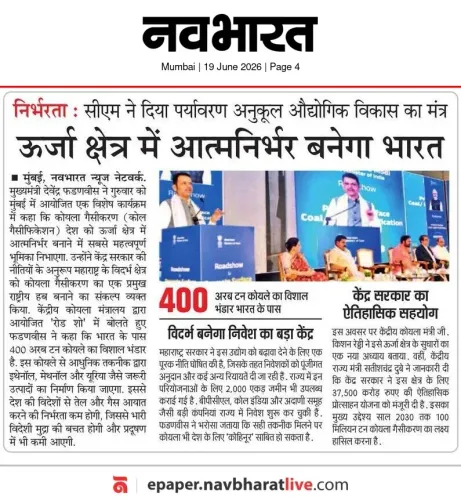
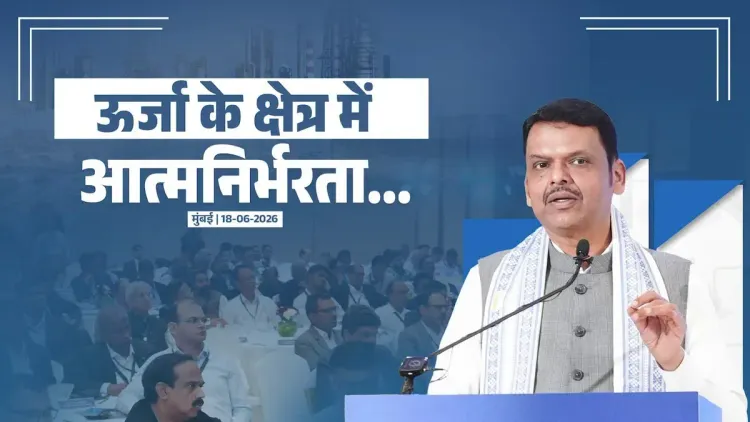
Maharashtra CM Devendra Fadnavis, at a coal gasification roadshow in Mumbai on 18 June 2026, declared energy self-reliance the foremost task of a developed India, aligning state policy with PM Modi's Atmanirbhar Bharat and the National Coal Gasification Mission's 100 MT target by 2030.
Key Takeaways
CM Devendra Fadnavis called energy self-reliance the 'greatest task' for a developed India at a coal gasification roadshow in Mumbai on 18 June 2026 .
The post was addressed to PM Narendra Modi , signalling direct state-Centre alignment on gasification policy.
India's National Coal Gasification Mission , launched in 2020 , targets converting 100 million tonnes of coal into gas by 2030 .
Coal gasification aims to cut India's dependence on imported LNG and crude oil by utilising domestic coal reserves.
The initiative feeds into the Viksit Bharat 2047 roadmap, linking energy security with long-term economic development.
Maharashtra is positioning itself as a key investment destination for gasification projects through state-organised roadshows.
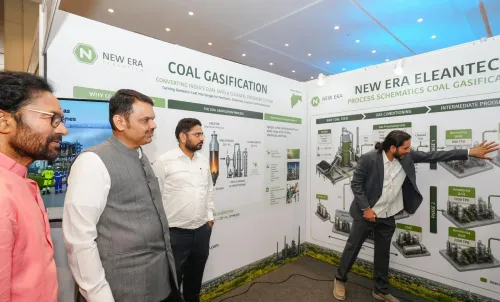
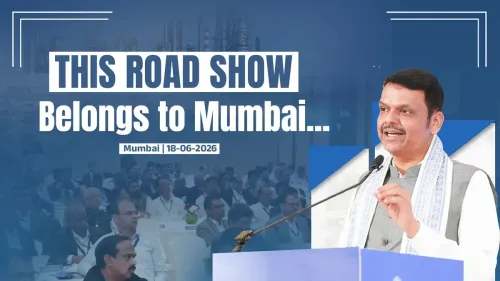
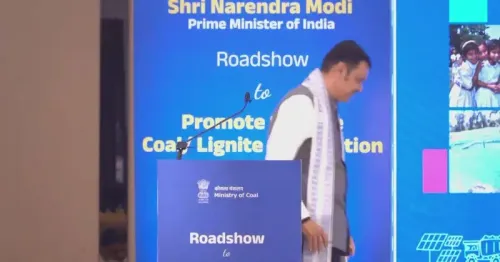
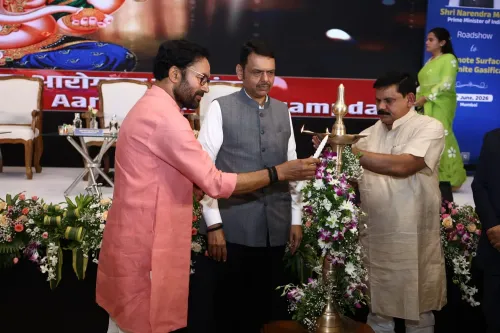
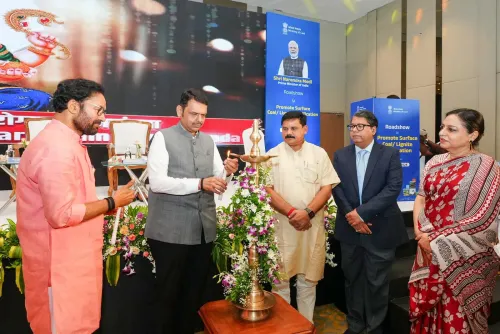
Maharashtra Chief Minister Devendra Fadnavis on Thursday, 18 June 2026, declared that building self-reliance in the energy sector is the single most important task for a developed India, speaking at a coal gasification roadshow held in Mumbai. The event, organised to promote gasification investment in the state, drew attention to the intersection of Prime Minister Narendra Modi's Atmanirbhar Bharat (self-reliant India) vision and Maharashtra's industrial energy ambitions.
Context
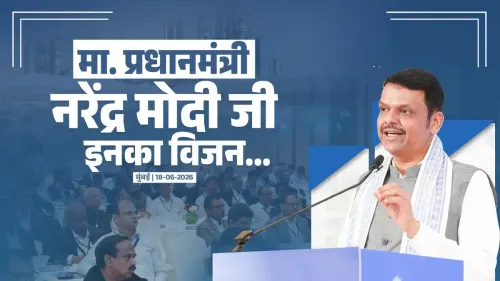
Fadnavis posted in both Marathi and Hindi, quoting himself at the roadshow: 'Urja kshetrat atmanirbharta nirmaan karne hech viksit Bharatacha sarvaat motha karya aahe' — 'Building self-reliance in the energy sector is the greatest task of a developed India.' The post was addressed to Prime Minister Narendra Modi and tagged with #CoalGasification and #Maharashtra, signalling a direct alignment between state-level action and the Centre's energy policy agenda.
Policy Backdrop
India's push for coal gasification gained formal shape under the National Coal Gasification Mission, announced in 2020 as part of the Atmanirbhar Bharat framework, with a target of converting 100 million tonnes (MT) of coal into gas by 2030. The technology converts domestic coal into syngas, reducing dependence on imported liquefied natural gas (LNG) and crude oil while leveraging India's substantial coal reserves. Maharashtra, as one of India's major industrial states, is a key destination for such investment roadshows aimed at attracting private-sector participation.
The broader strategy links energy security directly to the Viksit Bharat 2047 goal — the government's blueprint to make India a developed nation by its centenary of independence. Central and state governments have jointly organised multiple gasification roadshows across industrial corridors to channel capital into this sector.
Stakeholders and Impact
The coal and energy sectors stand to gain the most from a successful gasification push. Domestic coal producers could see higher-value offtake, while industries dependent on natural gas — fertilisers, chemicals, steel — could benefit from a more stable and locally sourced feedstock. For Maharashtra, hosting such investment events positions the state as a frontrunner in the national energy transition narrative.
Consumers and the broader economy also have a stake: reduced LNG import bills could ease pressure on the current account deficit and stabilise industrial energy costs. Fadnavis's public endorsement, directed explicitly at the Prime Minister, underscores that the state government views gasification not merely as a technical project but as a political and economic priority.
What's Next
Observers will watch for concrete project allocations emerging from the Mumbai roadshow, including investment commitments from public-sector coal companies and private industrial groups. At the national level, upcoming Union Budget announcements and energy ministry policy reviews are expected to outline fresh incentives — such as viability gap funding or concessional financing — to accelerate gasification capacity. Maharashtra's willingness to co-host such events signals that state-level facilitation, including land, water, and grid connectivity, will be central to meeting the 2030 target.
Point of View
Not just policy communication — it frames Maharashtra as an active partner in the Centre's energy agenda ahead of potential federal budget negotiations on gasification incentives. The bilingual Marathi-Hindi post broadens the message's reach across Maharashtra's regional electorate and the national Hindi-speaking audience simultaneously. By invoking Viksit Bharat and Atmanirbhar Bharat in the same breath, the Chief Minister ties a technically complex industrial policy to an emotionally resonant nationalist narrative, a pattern consistent with the BJP's broader communication strategy on infrastructure. The real test will be whether the Mumbai roadshow translates into binding investment commitments that move the 100 MT by 2030 target from aspiration to execution.
NationPress
18 Sept 2026
Frequently Asked Questions
What did CM Devendra Fadnavis say at the coal gasification roadshow in Mumbai?
CM Fadnavis declared that building self-reliance in the energy sector is the single most important task for a developed India, speaking at a coal gasification investment roadshow in Mumbai on 18 June 2026.
What is India's National Coal Gasification Mission?
The National Coal Gasification Mission, announced in 2020 under the Atmanirbhar Bharat framework, aims to convert 100 million tonnes of coal into gas by 2030, reducing India's dependence on imported LNG and crude oil.
Why is Maharashtra hosting coal gasification roadshows?
Maharashtra is hosting roadshows to attract private and public-sector investment into gasification projects, positioning the state as a key industrial hub under India's national energy self-reliance drive.
How does coal gasification help India become energy self-reliant?
Coal gasification converts domestically available coal into syngas, which can replace imported LNG and natural gas in industries such as fertilisers, chemicals, and steel, reducing India's import bill and improving energy security.
What is Viksit Bharat and how does energy policy connect to it?
Viksit Bharat 2047 is the Indian government's goal to become a developed nation by 2047. Energy self-reliance through initiatives like coal gasification is considered a foundational pillar of this long-term development blueprint.