CM Fadnavis Champions Mumbai as Coal Gasification Hub
Synopsis
Maharashtra CM Devendra Fadnavis declared Mumbai a pioneer in coal gasification at a state roadshow on 18 June 2026, aligning the financial capital with India's target to gasify 100 million tonnes of coal by 2030 and reduce import dependence.
Key Takeaways
CM Devendra Fadnavis called Mumbai a pioneer in coal gasification at a roadshow held on 18 June 2026 .
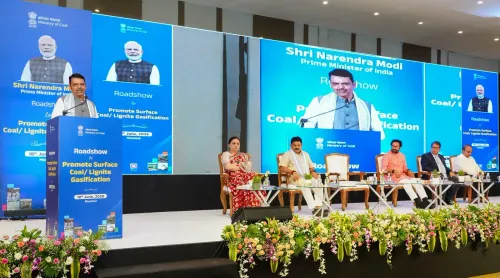
The event was organised to promote coal gasification technology and attract investment to Maharashtra .
The Government of India set a target in 2020 to gasify 100 million tonnes of coal by 2030 .
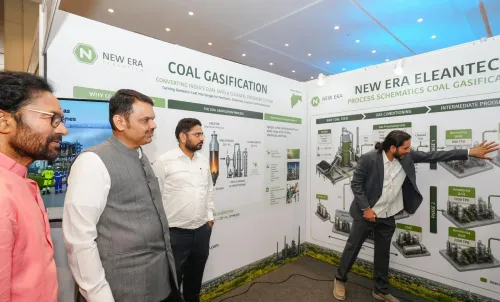
Coal gasification converts solid coal into syngas, reducing dependence on imported natural gas and crude oil.
Maharashtra is positioning itself as a leading state in translating the central gasification mandate into on-ground projects.
State-level project proposals and central ministry clearances are the immediate next steps following the roadshow.
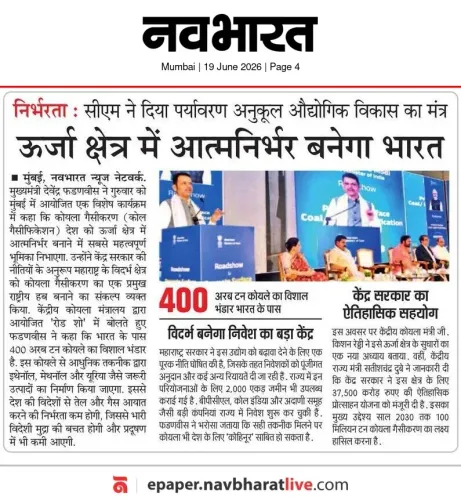
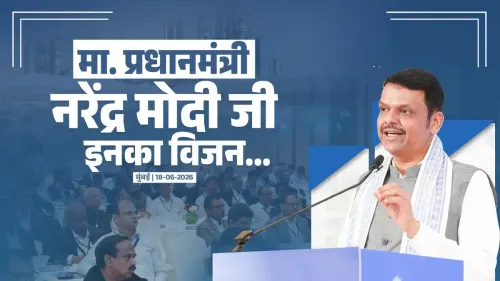
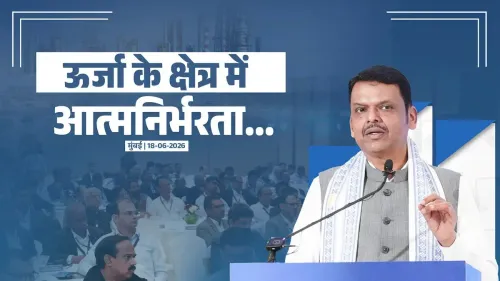
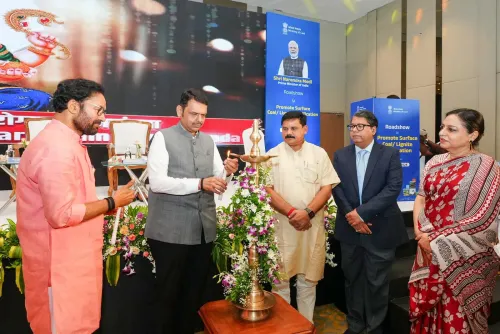
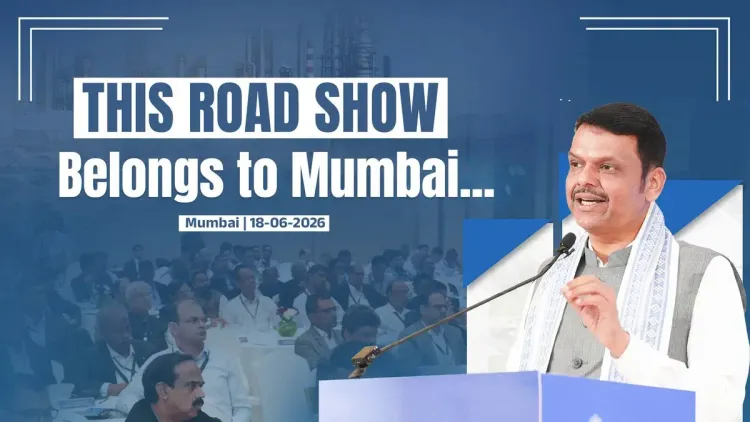
Maharashtra Chief Minister Devendra Fadnavis on Thursday, 18 June 2026, highlighted Mumbai's emerging role as a pioneer in coal gasification, marking the city's growing centrality in India's clean-energy transition agenda. His post on X came on the sidelines of a dedicated coal gasification roadshow held in Mumbai to attract investment and promote the technology across the state.
Writing in a mix of Marathi and Hindi, Fadnavis declared 'कोल गॅसिफिकेशनमध्ये मुंबई अग्रणी' — 'Mumbai is a pioneer in coal gasification' — and 'गैसीकरण को बढ़ावा देने के लिए आयोजित रोड शो', referencing the roadshow organised to advance gasification in the region. The event, held on 18 June 2026, signals Maharashtra's intent to position itself at the forefront of a technology the central government has earmarked as critical for energy security.
Context
Coal gasification converts solid coal into syngas — a mixture of hydrogen, carbon monoxide, and other gases — that can serve as industrial feedstock or fuel. The Government of India announced in 2020 a target to gasify 100 million tonnes of coal by 2030, framing it as a pillar of energy self-reliance. The roadshow in Mumbai fits into a broader national pattern of state-level events designed to translate that central target into on-ground investment and project proposals.
Several Indian states have hosted similar roadshows and pilot projects under the central framework to attract private and public sector participation in gasification plants. Maharashtra, as the country's largest industrial state by output, is a natural anchor for such initiatives given its existing coal-linked industries and port infrastructure.
Policy Backdrop
India's push for coal gasification is driven by two overlapping imperatives: reducing dependence on imported natural gas and crude oil, and providing cleaner feedstock to fertiliser, chemical, and steel industries. Syngas produced domestically can substitute for expensive liquefied natural gas imports, easing the current account burden. The 2030 target of 100 million tonnes of gasified coal remains the benchmark against which state-level progress is measured.
Fadnavis, as a senior BJP leader and Chief Minister, has consistently aligned Maharashtra's industrial policy with central government energy priorities. His personal amplification of the Mumbai roadshow on X signals that the state administration views coal gasification not merely as a central mandate but as a state-level economic opportunity.
Stakeholders and Impact
Energy companies, coal sector industries, and downstream chemical and fertiliser manufacturers stand to benefit most directly from a functioning gasification ecosystem in Maharashtra. A successful roadshow could translate into memoranda of understanding, land allocation, and regulatory fast-tracking for gasification units in the state. Workers in coal-adjacent industries and consumers of industrial gases are also indirect stakeholders in how quickly projects move from announcement to commissioning.
Mumbai's financial infrastructure — stock exchanges, banking institutions, and venture capital networks — also makes it a logical venue for attracting the capital-intensive investments that large-scale gasification plants require.
What's Next
The immediate watch-points are state-level project proposals emerging from the roadshow and their subsequent submission for central ministry clearances. Maharashtra will need to demonstrate site readiness, regulatory approvals, and offtake agreements to convert roadshow interest into operational gasification capacity before the 2030 national deadline. If Mumbai consolidates its early-mover position, it could set a template that other major Indian cities and industrial corridors replicate in the months ahead.
Point of View
He signals that the technology's future lies in financial and industrial hubs capable of mobilising capital, not just in coal-producing regions. This fits a broader BJP governance pattern of using state platforms to amplify central schemes, building a visible policy record ahead of future electoral cycles. The move also subtly stakes Maharashtra's claim to anchor the western India leg of the national gasification rollout, competing with other large states for investment and central allocation.
NationPress
19 Sept 2026
Frequently Asked Questions
What is coal gasification and why is India promoting it?
Coal gasification converts solid coal into syngas — a mixture of hydrogen and carbon monoxide — that can replace imported natural gas as industrial feedstock, helping India cut its import bill and improve energy security. The central government set a target in 2020 to gasify 100 million tonnes of coal by 2030.
What happened at the Mumbai coal gasification roadshow on 18 June 2026?
A roadshow was held in Mumbai on 18 June 2026 to promote coal gasification technology and attract investment to Maharashtra. Chief Minister Devendra Fadnavis highlighted the event on X, calling Mumbai a pioneer in the sector.
Why is Mumbai hosting a coal gasification roadshow if it is not a coal-producing city?
Mumbai's role as India's financial capital makes it a strategic venue for attracting the large-scale capital investment that gasification plants require, even though coal production occurs elsewhere. Industrial and financial networks based in Mumbai are key to funding and off-taking gasification projects.
What is Devendra Fadnavis's role in Maharashtra's energy policy?
As Chief Minister of Maharashtra and a senior BJP leader, Devendra Fadnavis oversees the state's industrial and energy agenda, aligning it with central government priorities such as the coal gasification target.
What are the next steps after the Maharashtra coal gasification roadshow?
The immediate next steps are state-level project proposals emerging from the roadshow, followed by submissions for central ministry clearances and site approvals, with the 2030 national gasification target as the key deadline.