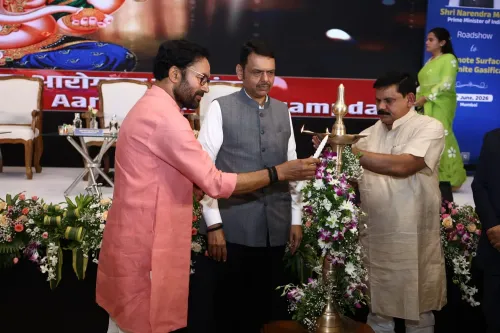
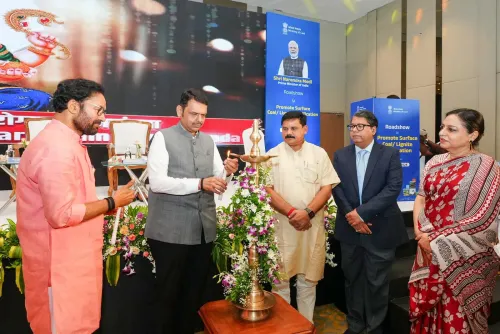
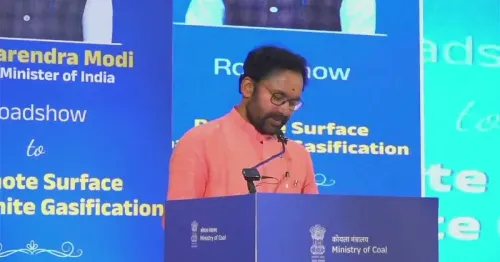
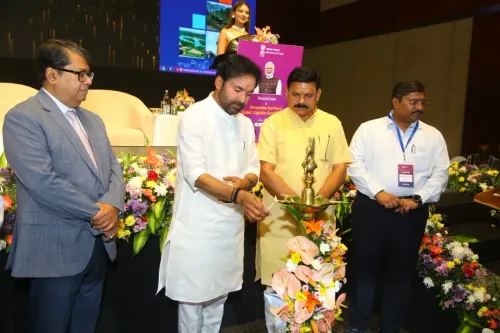
CM Fadnavis, Union Min Kishan Reddy Lead Mumbai Coal Gasification Roadshow
Synopsis
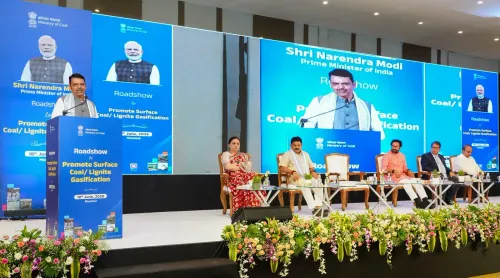
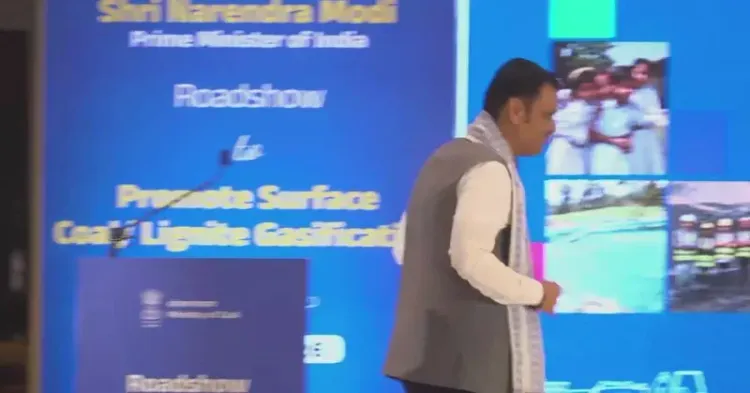
Chief Minister Devendra Fadnavis and Union Minister G. Kishan Reddy co-led a live roadshow in Mumbai on 18 June 2026 to promote surface coal and lignite gasification, advancing India's National Coal Gasification Mission target of 100 million tonnes by 2030 under the Atmanirbhar Bharat framework.
Key Takeaways
CM Devendra Fadnavis and Union Minister G.
Kishan Reddy jointly led a roadshow in Mumbai on 18 June 2026 to promote surface coal and lignite gasification.
The event reflects active centre-state coordination on energy self-reliance under the Atmanirbhar Bharat framework.
India's National Coal Gasification Mission targets gasification of 100 million tonnes of coal by 2030 to reduce import dependence.
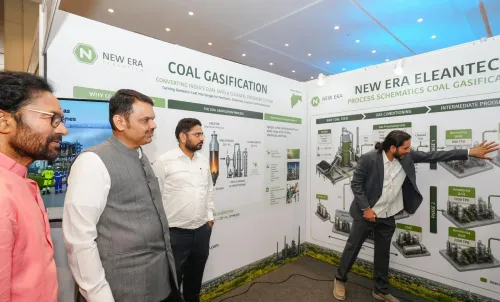
Surface gasification converts coal and lignite into syngas usable for chemicals, fertilisers, and synthetic fuels.
Maharashtra , a major industrial energy consumer, is being positioned as a priority destination for early demonstration projects.
Pilot project approvals and investment commitments from the private sector are expected outcomes to watch post-roadshow.
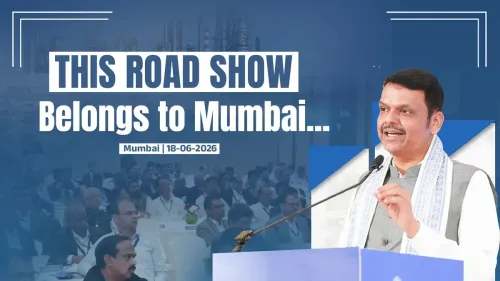
The Chief Minister's Office of Maharashtra on Thursday, 18 June 2026 announced a live roadshow in Mumbai jointly led by Chief Minister Devendra Fadnavis and Union Minister G. Kishan Reddy to promote surface coal and lignite gasification as a strategic energy solution for the state.
Context
The roadshow is part of a coordinated centre-state push to advance coal gasification technology in India's industrial heartland. Maharashtra, one of the country's largest energy consumers, is being positioned as a key destination for demonstration projects that convert domestic coal and lignite reserves into syngas. The event signals active alignment between the state government and the Union Ministry on energy self-reliance.
Surface coal gasification involves converting solid coal into a combustible gas mixture — primarily hydrogen and carbon monoxide — that can be used as feedstock for chemicals, fertilisers, and synthetic fuels. Unlike underground gasification, surface-based plants offer greater process control and are better suited to industrial clusters of the kind concentrated across Maharashtra.
Policy Backdrop
The roadshow draws directly from the National Coal Gasification Mission, under which the Government of India has set a target of gasifying 100 million tonnes of coal by 2030. The mission is designed to reduce India's dependence on imported natural gas, methanol, and ammonia by leveraging the country's substantial domestic coal reserves.
The initiative sits squarely within the broader Atmanirbhar Bharat (self-reliant India) framework, which seeks to substitute energy imports with domestically produced alternatives. Multiple states have been encouraged to host early-stage demonstration units, and Maharashtra's participation — backed by the Chief Minister in person — lends the programme significant political momentum.
G. Kishan Reddy's presence at the roadshow underscores the central government's intent to maintain active engagement with state administrations in accelerating technology uptake across high-demand regions.
Stakeholders and Impact
Energy sector firms, equipment manufacturers, and large industrial consumers stand to benefit most directly from a successful gasification push in Maharashtra. Industries reliant on natural gas — including fertiliser plants, petrochemical units, and steel producers — could gain access to a domestically sourced syngas supply, insulating them from volatile import prices.
For the state government, successful project approvals would translate into energy security, potential job creation in new technology segments, and reduced foreign exchange outflow. Maharashtra's existing industrial infrastructure makes it a credible anchor for the first wave of commercial-scale surface gasification units in western India.
What's Next
Analysts and industry observers will watch closely for concrete outcomes emerging from the 18 June roadshow, including pilot project approvals, investment commitments from private sector players, or state-level incentive frameworks designed to attract gasification unit developers to Maharashtra. Any policy announcement by CM Fadnavis in the immediate aftermath would be a strong indicator of the state's readiness to move from promotion to implementation. The roadshow may also serve as a template for similar centre-state events in other coal-bearing or energy-intensive states as India accelerates its 2030 gasification target.
Point of View
Lending state-level political capital to a mission that has so far been driven primarily from New Delhi. The joint appearance of a sitting Chief Minister and a Union Minister at a technology roadshow is unusual and suggests the centre is actively courting Maharashtra's industrial base to anchor early commercial projects. This fits a broader pattern of the current administration using high-visibility events to compress the policy-to-implementation timeline on energy security priorities. If Maharashtra follows through with a state incentive framework, it could set a competitive precedent that pressures other industrial states to accelerate their own gasification commitments.
NationPress
19 Sept 2026
Frequently Asked Questions
What is surface coal gasification and why is it important for India?
Surface coal gasification converts solid coal or lignite into syngas — a mixture of hydrogen and carbon monoxide — at an above-ground facility. It is important for India because it can substitute imported natural gas and reduce foreign exchange outflow, supporting the country's energy self-reliance goals under the National Coal Gasification Mission.
What is the National Coal Gasification Mission target?
The Government of India's National Coal Gasification Mission targets the gasification of 100 million tonnes of coal by 2030 to cut dependence on imported fuels and chemical feedstocks.
Why did CM Devendra Fadnavis attend the coal gasification roadshow in Mumbai?
CM Devendra Fadnavis co-led the roadshow on 18 June 2026 to signal Maharashtra's commitment to hosting surface coal and lignite gasification projects, positioning the state as a priority destination for investment under the national mission.
What role did G. Kishan Reddy play in the Mumbai gasification roadshow?
Union Minister G. Kishan Reddy participated in the Mumbai roadshow alongside CM Fadnavis, representing the central government's active engagement in promoting coal gasification technology adoption in high-demand industrial states.
What outcomes are expected from the Maharashtra coal gasification roadshow?
Observers expect the roadshow to be followed by pilot project approvals, private sector investment commitments, or a state-level incentive framework to attract gasification unit developers to Maharashtra.