CM Fadnavis briefs press on El Niño, Kharif prep in Mumbai
Synopsis
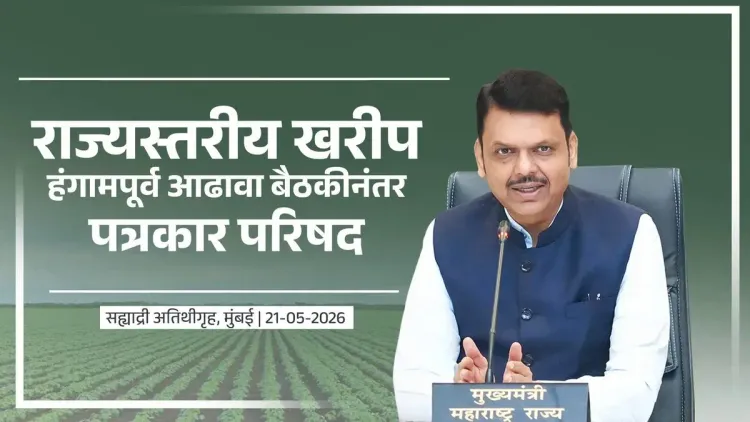
Maharashtra CM Devendra Fadnavis held a Mumbai press conference on 21 May 2026, addressing El Niño risks, Kharif season readiness, crop loans, fertilisers, and seeds — signalling the state's pre-monsoon agricultural preparedness push.
Key Takeaways
CM Devendra Fadnavis addressed a press conference in Mumbai on 21 May 2026 on agricultural issues.
Topics covered included El Niño , the Kharif season , crop loans , fertilisers , and seeds .
Maharashtra's interest-subvention scheme (operational since 2006 ) provides reduced-rate crop loans ahead of each Kharif season.
A strong El Niño in 2015-16 severely affected Kharif sowing in Maharashtra, shaping the state's current contingency-planning framework.
Rain-fed districts in Vidarbha , Marathwada , and western Maharashtra face the highest exposure to any monsoon weakening.
The onset and progress of the 2026 southwest monsoon will be the key indicator of whether El Niño concerns materialise into actual crop stress.
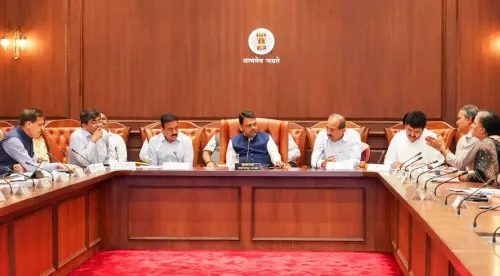
Maharashtra Chief Minister Devendra Fadnavis addressed a press conference in Mumbai on 21 May 2026, speaking to journalists on a range of agriculture-related topics including the El Niño climate threat, the upcoming Kharif season, crop loans, fertilisers, and seeds — signalling the state government's early preparedness push ahead of the southwest monsoon.
Context
In a post on X, Fadnavis noted the press interaction covered 'अल निनो, खरीप हंगाम, पीक कर्ज, खत, बियाणे' — that is, El Niño, the Kharif season, crop loans, fertilisers, and seeds. The briefing, held in Mumbai, reflects the state government's standard pre-monsoon practice of publicly communicating its agricultural preparedness to farmers and stakeholders.
The Kharif season, which runs from June to October, accounts for the bulk of Maharashtra's foodgrain and oilseed output. Rain-fed districts across Vidarbha, Marathwada, and parts of western Maharashtra are particularly sensitive to any weakening of the southwest monsoon — a risk that El Niño conditions historically amplify.
Policy Backdrop
Maharashtra has long maintained a suite of instruments to buffer farmers against climate shocks. An interest-subvention scheme in operation since 2006 provides crop loans to farmers at reduced rates ahead of each Kharif season, easing the credit burden during sowing. The state also channels central government support on fertiliser subsidies and certified seed distribution through its agriculture department.
The spectre of El Niño is not new to Maharashtra's planners. A strong El Niño event in 2015-16 severely dented Kharif sowing across the state, prompting drought-relief packages and input subsidies. That episode has since shaped the state's contingency-planning framework, making early public communication a key part of the pre-monsoon calendar.
Stakeholders and Impact
The primary audience for the 21 May briefing is the state's large community of Kharif farmers and the agricultural cooperatives that supply them with credit, seeds, and fertilisers. Timely signals from the Chief Minister on crop-loan availability and input supply chains help cooperatives and district administrations align their procurement and disbursement schedules before sowing begins in earnest.
For farmers in rain-fed talukas, clarity on El Niño projections and contingency crop plans can determine which varieties they choose to sow, making such pre-season communication directly consequential. Agricultural cooperatives also rely on government cues to calibrate their seasonal lending targets and fertiliser stock levels.
What's Next
The immediate marker to watch is the onset and progress of the 2026 southwest monsoon over Maharashtra, which will determine whether El Niño-related concerns translate into actual sowing stress. Any mid-season government review of crop-loan disbursement targets, fertiliser availability, and contingency seed kits will indicate how closely the administration is tracking the situation on the ground.
If the monsoon underperforms, Maharashtra's experience with past drought-response packages suggests the state could activate input subsidies and enhanced credit lines relatively quickly — but the adequacy of those measures will depend on the depth and geographic spread of any rainfall deficit.
Point of View
The administration sets a narrative of preparedness that it can point to if conditions deteriorate. Maharashtra's history of drought-relief packages — particularly after the 2015-16 El Niño — means the political cost of being caught unprepared is well understood in Nagpur and Mumbai. The breadth of topics covered, from seeds and fertilisers to credit, also suggests a coordinated inter-departmental review rather than a routine media interaction. How the government's stated preparedness translates into ground-level disbursement will be the real test once the monsoon arrives.
NationPress
7 Oct 2026
Frequently Asked Questions
What did CM Fadnavis say at the 21 May 2026 press conference?
CM Devendra Fadnavis addressed journalists in Mumbai on 21 May 2026 on topics including El Niño, the Kharif season, crop loans, fertilisers, and seeds, signalling the Maharashtra government's pre-monsoon agricultural preparedness.
How does El Niño affect Maharashtra's Kharif season?
El Niño typically weakens the Indian southwest monsoon, increasing the risk of below-normal rainfall in Maharashtra's rain-fed districts. A strong El Niño in 2015-16 severely disrupted Kharif sowing across the state, leading to drought-relief packages.
What is Maharashtra's crop loan scheme for Kharif farmers?
Maharashtra has operated an interest-subvention scheme since 2006 that provides crop loans to farmers at reduced interest rates ahead of each Kharif season, easing the credit burden during sowing.
Which regions of Maharashtra are most at risk from El Niño?
Rain-fed districts in Vidarbha, Marathwada, and parts of western Maharashtra are most vulnerable to any weakening of the southwest monsoon associated with El Niño conditions.
What should Maharashtra farmers watch for ahead of Kharif 2026?
Farmers should monitor the onset and progress of the 2026 southwest monsoon, government announcements on crop-loan disbursement targets, fertiliser availability, and any contingency seed or input-subsidy programmes activated by the state administration.