CM Fadnavis credits late Annasaheb Patil for Mathadi workers' dignity
Synopsis
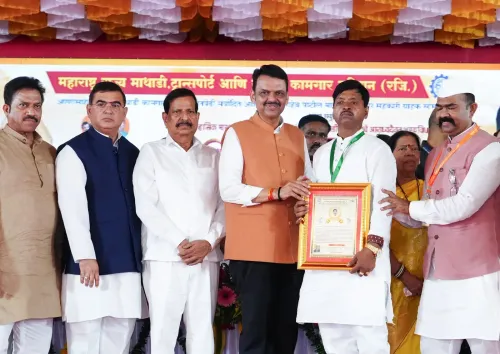
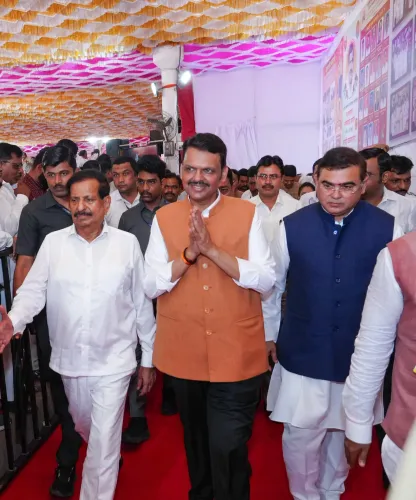
At a grand Mathadi workers' rally in Navi Mumbai on September 25, Maharashtra CM Devendra Fadnavis paid tribute to late activist Annasaheb Patil, crediting him for the dignity and self-respect headload workers in Maharashtra carry today.
Key Takeaways
CM Devendra Fadnavis addressed a grand Mathadi Kamgar rally in Navi Mumbai on September 25, 2026 .
He credited the late Annasaheb Patil for enabling Mathadi workers to stand with dignity and self-respect.
The tribute was delivered bilingually — in both Marathi and Hindi — signalling its cross-regional message to all workers.
The Maharashtra Mathadi, Hamal and Other Manual Workers Act, 1969 , shaped by Patil's activism, remains the legal backbone of Mathadi worker welfare.
The rally reflects a long tradition of Maharashtra's political leadership engaging headload workers as a key labour constituency.
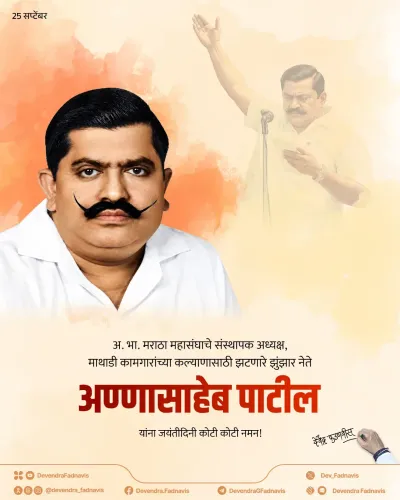
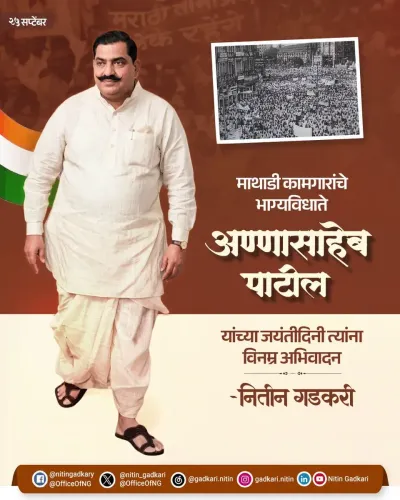
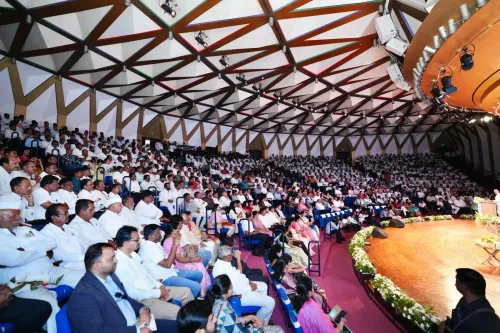
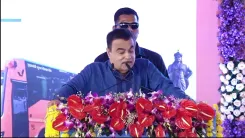
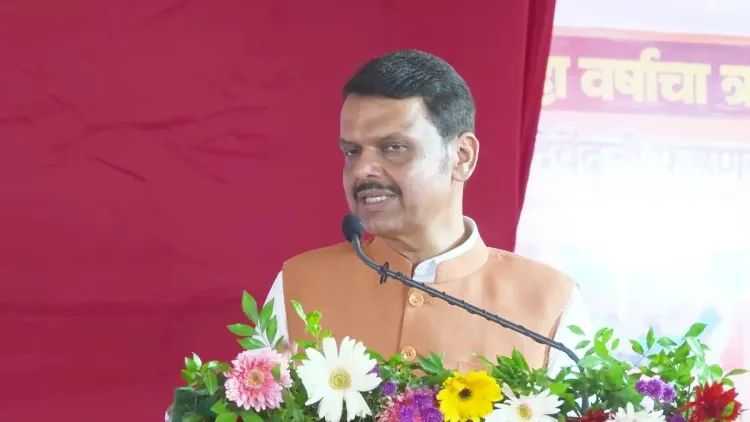
At a grand gathering of Mathadi workers in Navi Mumbai on Friday, September 25, 2026, Maharashtra Chief Minister Devendra Fadnavis paid tribute to the man many in the labour movement call its founding conscience — the late Annasaheb Patil — crediting him with giving headload workers the pride to stand tall.
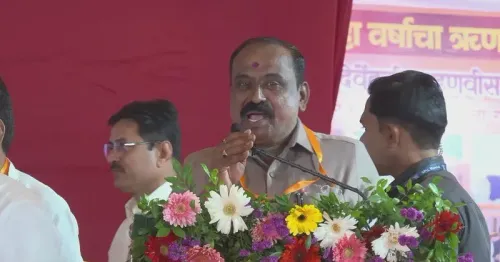
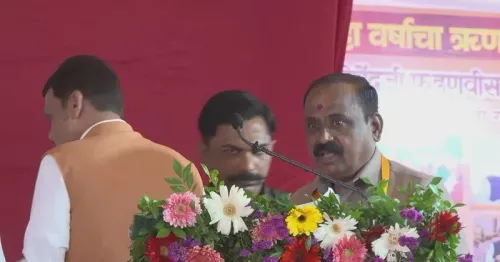
Speaking in both Marathi and Hindi to underline the cross-regional reach of the moment, Fadnavis declared: 'Mathadi kamgar taath maanene ubha aahe yaache shrey swa. Annasaheb Patil yanla dyaave lagel' — 'The credit for Mathadi workers standing with their heads held high must go to the late Annasaheb Patil.' The bilingual phrasing was deliberate: a message to workers of every mother tongue that this tribute belonged to all of them.
Who Was Annasaheb Patil?
Annasaheb Patil was the late activist whose relentless organising shaped the Mathadi workers' movement in Maharashtra. His legacy is inseparable from the Maharashtra Mathadi, Hamal and Other Manual Workers (Regulation of Employment and Welfare) Act, 1969 — a landmark piece of legislation that gave headload and manual workers a formal board for employment regulation and welfare, one of the earliest such protections for unorganised labour anywhere in the country. More than five decades later, that act remains the legal backbone of the Mathadi workers' security.
Why Navi Mumbai, Why Now
The Mathadi Kamgar Bhavya Melava — a grand workers' rally — drew together a constituency that still forms a critical pillar of Maharashtra's urban economy. Headload workers move goods through markets, warehouses, and construction sites across the Mumbai metropolitan region. Their numbers are large, their work is gruelling, and their political weight in Maharashtra is real. Successive state governments have courted this constituency, and Fadnavis's appearance at the rally — and his pointed invocation of Annasaheb Patil's name — fits squarely into that tradition of outreach.
The choice of Navi Mumbai as the venue placed the gathering at the heart of the region these workers serve, lending the tribute immediate, geographic resonance.
The acknowledgment of a historical figure at a mass labour event is not merely ceremonial. It signals which lineage a sitting chief minister chooses to claim, and it reminds a large unorganised-sector workforce that the protections they take for granted were hard-won by specific people. Fadnavis's tribute was a political act in the cleanest sense: honouring the past while standing before voters who live its consequences every day.
Point of View
Public acknowledgments of their history serve dual purposes: honouring genuine legacy and reinforcing electoral outreach. The invocation of the landmark 1969 Act also subtly positions the current dispensation as a steward of hard-won labour protections, even as questions about welfare board functioning and scheme delivery remain open. Watch whether this rally is followed by concrete welfare announcements — that would signal whether the tribute is prelude to policy or an end in itself.
NationPress
25 Sept 2026
Frequently Asked Questions
Who was Annasaheb Patil and what is his connection to Mathadi workers?
Annasaheb Patil was a late labour activist whose organising work was central to the Mathadi workers' movement in Maharashtra. His efforts contributed to the Maharashtra Mathadi, Hamal and Other Manual Workers (Regulation of Employment and Welfare) Act, 1969, which established welfare boards for headload and manual workers.
What is the Mathadi Kamgar Bhavya Melava?
It is a grand rally of Mathadi — headload and manual — workers held in Maharashtra, bringing together workers who form a significant part of the urban labour force in the Mumbai metropolitan region. The September 25, 2026 event was held in Navi Mumbai.
What does the Maharashtra Mathadi Act of 1969 do?
The Maharashtra Mathadi, Hamal and Other Manual Workers (Regulation of Employment and Welfare) Act, 1969 established a board to regulate employment and provide welfare benefits to headload workers — one of India's earliest formal protections for unorganised manual labour.
Why did CM Fadnavis speak in both Marathi and Hindi at the rally?
Fadnavis delivered his tribute to Annasaheb Patil in both Marathi and Hindi to address the linguistically diverse workforce of Mathadi workers drawn from across Maharashtra and other states, ensuring his message of honour reached all sections of the gathering.
What is the political significance of leaders attending Mathadi worker rallies?
Mathadi workers form a large and politically relevant constituency in Maharashtra's urban economy. Successive state governments have engaged this workforce through public events, welfare announcements, and tributes to movement leaders as part of routine outreach to organised unorganised-sector labour groups.