CM Fadnavis Secures Central Support for Wainganga-Nalganga River Link
Synopsis
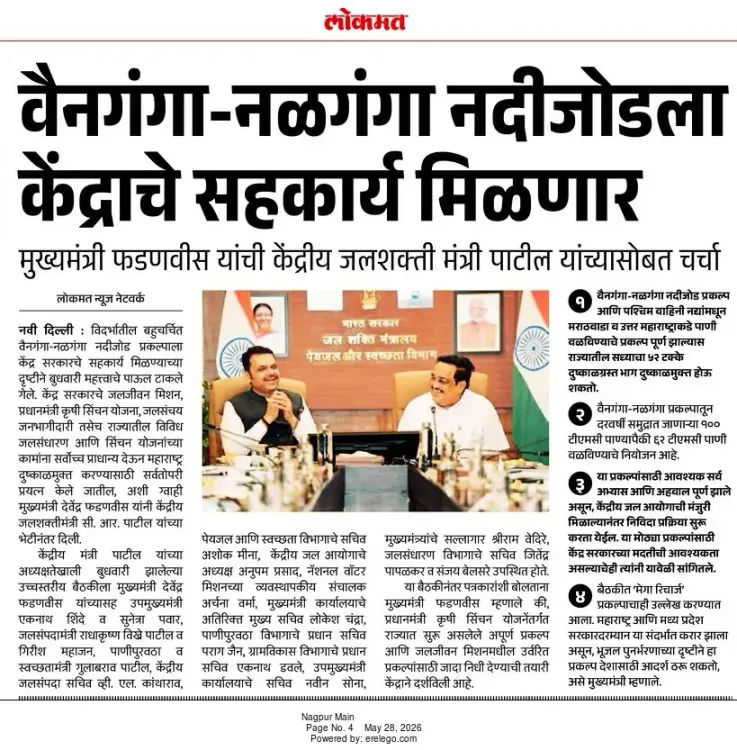
The Chief Minister's Office of Maharashtra announced on 28 May 2026 that the Wainganga-Nalganga river interlinking project will receive central government cooperation. The project aims to transfer surplus Godavari basin water to drought-prone Buldhana district, offering a potential lifeline to Vidarbha farmers long burdened by water scarcity.
Key Takeaways
The CMO Maharashtra announced on 28 May 2026 that the Wainganga-Nalganga river link will receive central government cooperation.
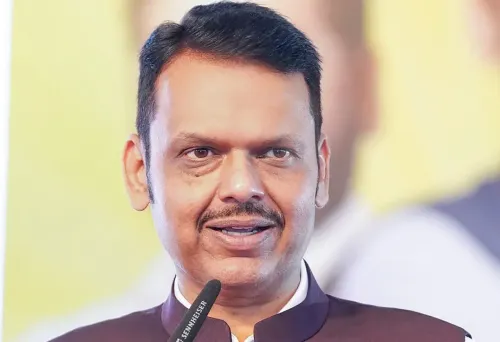
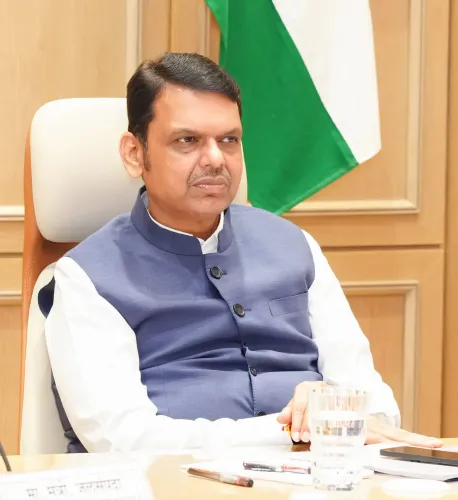
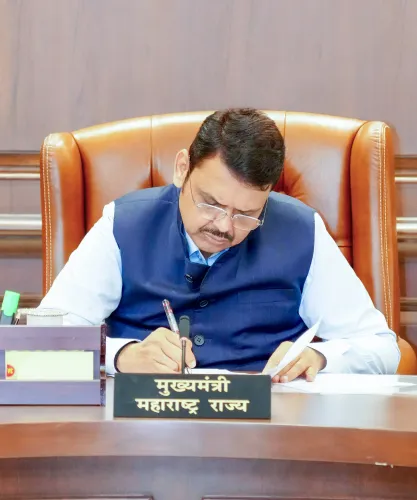
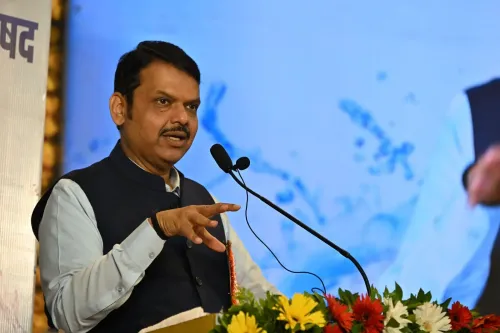
Chief Minister Devendra Fadnavis was directly credited in the announcement for securing this commitment.
The Wainganga River (Godavari tributary, eastern Maharashtra) is the proposed donor basin; the Nalganga River in Buldhana district is the recipient basin.
The project is rooted in India's National Perspective Plan of 1980 and falls under the purview of the National Water Development Agency under the Ministry of Jal Shakti .
Central assistance is contingent on technical clearance from NWDA and submission of an updated detailed project report.
Successful implementation could expand irrigated farmland across Vidarbha , a region chronically affected by agrarian distress.
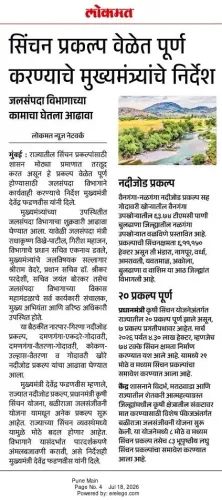
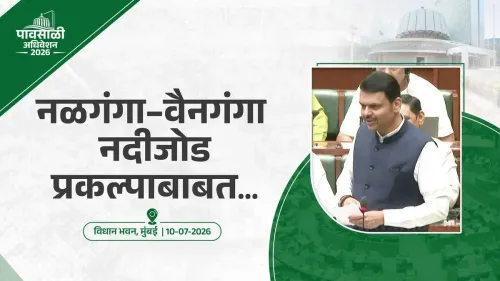
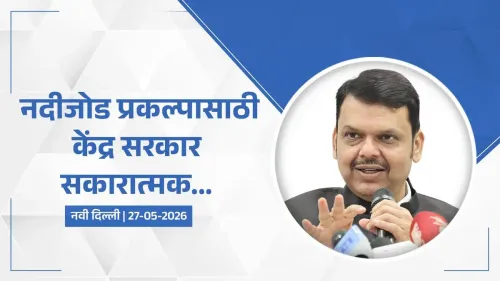
The Chief Minister's Office of Maharashtra announced on Thursday, 28 May 2026 that the Wainganga-Nalganga river interlinking project will receive central government cooperation, a development that signals forward movement on one of Vidarbha's most anticipated irrigation initiatives. The announcement, shared on the official CMO Maharashtra account tagging Chief Minister Devendra Fadnavis, marks a significant step in aligning state and central resources for the project.
The post, originally in Marathi, states: 'Wainganga-Nalganga nadijodla kendrachya sahakaar milnar' ('Central cooperation will be received for the Wainganga-Nalganga river link'), directly crediting the Chief Minister's efforts in securing this commitment.
Context
The Wainganga River is a major tributary of the Godavari, flowing through eastern Maharashtra's Vidarbha region, which has long been identified as a surplus-water basin in national river-linking studies. The Nalganga River, located in Buldhana district, lies in a water-deficit zone and has been proposed as the recipient basin under this intra-state link. The project aims to transfer surplus monsoon flows westward to irrigate drought-prone farmlands. Chief Minister Devendra Fadnavis has consistently prioritised irrigation connectivity in Vidarbha and Marathwada, regions that account for a disproportionate share of Maharashtra's agrarian distress. Securing central cooperation is a prerequisite for both technical clearance and financial assistance under the national river-linking framework.Policy Backdrop
The conceptual foundation for this project traces back to India's National Perspective Plan of 1980, which identified 16 peninsular river links including transfers from the Godavari basin. The National Water Development Agency (NWDA), constituted in 1982 under the Ministry of Jal Shakti, is the nodal body responsible for preparing detailed project reports and feasibility assessments for such inter-basin transfers. The National River Linking Programme was revived with renewed emphasis on state-central coordination from 2014 onwards. Under the standard process, central assistance is routed through the Ministry of Jal Shakti once a state's proposal clears technical scrutiny by the NWDA. Maharashtra has several intra-state and inter-state links under active study in the Godavari and Tapi basins, and the Wainganga-Nalganga link is among the most consequential for eastern Maharashtra.Stakeholders and Impact
Vidarbha's farming communities stand to be the primary beneficiaries. The region, which comprises districts such as Nagpur, Wardha, Yavatmal, Amravati, and Buldhana, faces recurring water scarcity during non-monsoon months, contributing to agrarian stress. Improved irrigation access through a functional river link could expand the cultivable command area and reduce dependence on rain-fed agriculture. State irrigation departments and the NWDA are the key institutional actors who will now be expected to accelerate the preparation or updating of a detailed project report. Central cooperation also opens the door to special funding packages and expedited environmental and inter-ministerial clearances, which have historically been bottlenecks for large water infrastructure projects.What's Next
The immediate priority will be the submission of an updated detailed project report to the Ministry of Jal Shakti, a step that would formalise central engagement and unlock funding mechanisms. Analysts tracking Maharashtra's water infrastructure will watch whether the project receives a dedicated allocation in the next Union Budget or is included in a special irrigation package for Vidarbha. With central cooperation now signalled at the highest political level, the Wainganga-Nalganga link could transition from a long-studied proposal to an actively funded project — a shift that would represent a structural change in water availability for millions of farmers across eastern Maharashtra.Point of View
Who has built much of his governance identity around resolving Vidarbha's water deficit. The announcement fits a broader pattern in which the current central government has sought to accelerate the National River Linking Programme as both an infrastructure and electoral priority. However, the gap between political announcements and grounded project execution — funding, NWDA clearance, environmental approvals — remains substantial, and Maharashtra's track record on large irrigation projects warrants scrutiny. The real test will come when a detailed project report lands at the Ministry of Jal Shakti with a concrete cost and timeline attached.
NationPress
12 Oct 2026
Frequently Asked Questions
What is the Wainganga-Nalganga river link project?
The Wainganga-Nalganga river link is a proposed intra-state water transfer project in Maharashtra that would channel surplus water from the Wainganga River, a Godavari tributary in eastern Vidarbha, to the Nalganga River in Buldhana district to expand irrigation in water-deficit areas.
Who approved central support for the Wainganga-Nalganga project?
The Chief Minister's Office of Maharashtra announced on 28 May 2026 that central government cooperation will be extended to the project, with Chief Minister Devendra Fadnavis credited for securing this commitment. The formal channel for central assistance is the Ministry of Jal Shakti.
Which agency prepares the project report for river interlinking in India?
The National Water Development Agency (NWDA), operating under the Ministry of Jal Shakti, is the nodal body responsible for conducting surveys, feasibility studies, and preparing detailed project reports for inter-basin river links under the National Perspective Plan.
How will the Wainganga-Nalganga link benefit Vidarbha farmers?
By transferring surplus monsoon flows from the Wainganga basin westward to the Nalganga basin, the project aims to expand the irrigated command area in drought-prone Vidarbha districts, reducing dependence on rain-fed agriculture and potentially alleviating recurring agrarian distress in the region.
What is the National River Linking Programme?
The National River Linking Programme is India's long-term plan, rooted in the National Perspective Plan of 1980, to connect surplus river basins with deficit ones through a network of canals and reservoirs. It was revived with emphasis on state-central coordination from 2014 and is administered through the Ministry of Jal Shakti and NWDA.