CM Fadnavis hails Modi's 12 years as India's PM
Synopsis
Maharashtra Chief Minister Devendra Fadnavis on 10 June 2026 marked Prime Minister Narendra Modi's twelve years in office, hailing him as India's longest-serving elected PM and invoking Digital India and the Statue of Unity as defining achievements of his tenure.
Key Takeaways
Devendra Fadnavis posted a Marathi tribute on X on 10 June 2026 celebrating PM Modi's 12-year tenure .
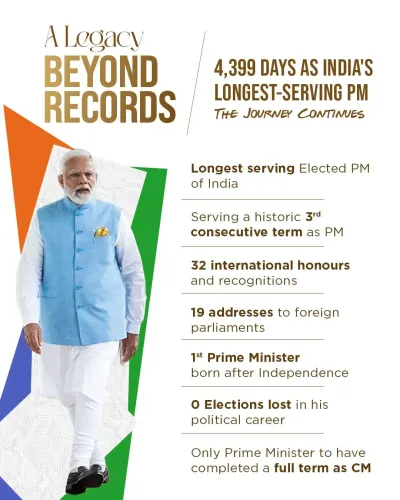
Fadnavis described Modi as the longest-serving elected Prime Minister of India who has been consecutively re-elected.
The post highlighted the Digital India programme, launched 1 July 2015 , as a landmark digital transformation achievement.
The Statue of Unity in Gujarat , inaugurated 31 October 2018 and the world's tallest statue at 182 metres , was cited as a symbol of India's global stature.
The tribute used the hashtag #LongestServingElectedPMModi , signalling a coordinated BJP messaging effort around the anniversary.
The next general election is due by 2029 , making such anniversary milestones significant markers in the party's long-term electoral narrative.
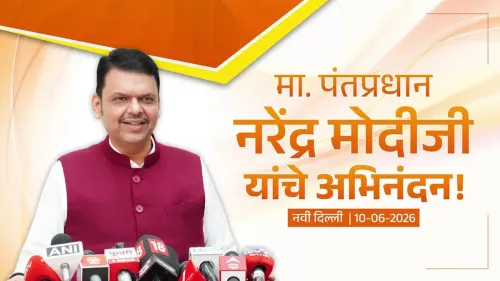
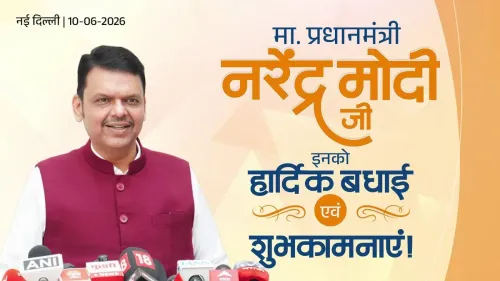
Maharashtra Chief Minister Devendra Fadnavis on Wednesday, 10 June 2026, took to X to mark what he described as Prime Minister Narendra Modi's twelve years as the longest-serving elected Prime Minister of India, calling the journey a source of pride for every Indian and a testament to the nation's progress on the world stage.
Context
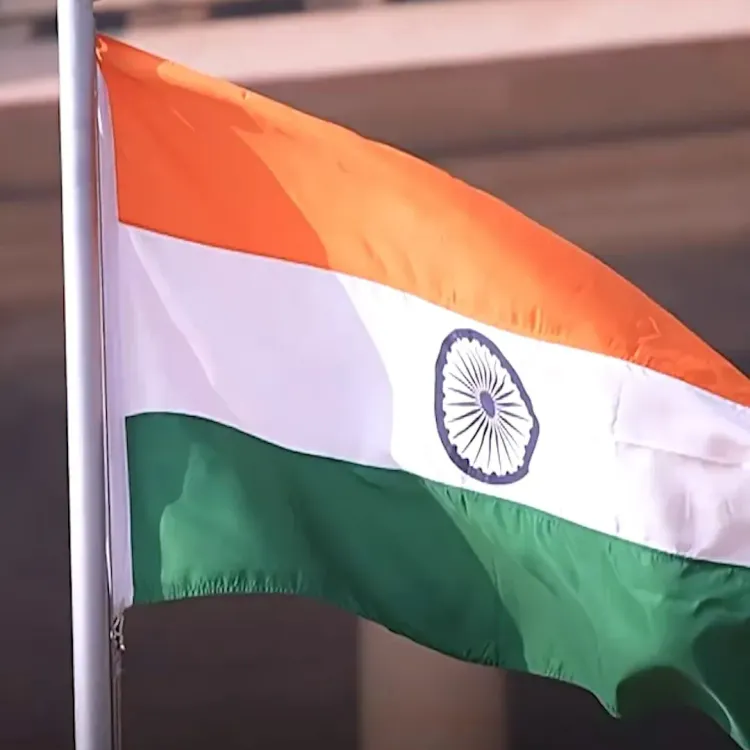
Fadnavis's post, written in Marathi, celebrated Modi's uninterrupted tenure since May 2014, framing it as a record among elected Prime Ministers. The tribute was shared under the hashtag #LongestServingElectedPMModi, and praised the period as a witness to India's rise — 'राष्ट्राच्या प्रगतीचा आणि जगाच्या पटलावर अधिक उंचावलेल्या तिरंग्याच्या गौरवाचा साक्षीदार' ['a witness to the nation's progress and the glory of the tricolour raised higher on the world stage'].
The post specifically invoked two landmarks of the Modi era: the Digital India programme and the Statue of Unity in Gujarat, positioning them as symbols of a transformation that spans technology and monumental national ambition.
Policy Backdrop
The Digital India programme was formally launched on 1 July 2015 with the stated aim of expanding digital infrastructure, enabling e-governance, and broadening citizen access to online services. Over the subsequent decade it became the umbrella under which initiatives ranging from the Unified Payments Interface (UPI) to direct benefit transfers were grouped, reshaping how hundreds of millions of Indians interact with government services.
The Statue of Unity, inaugurated on 31 October 2018 and dedicated to independence-era statesman Sardar Vallabhbhai Patel, stands as the world's tallest statue at 182 metres, located on the banks of the Narmada river in Gujarat. Its construction was positioned by the government as both an infrastructural achievement and a civilisational statement about India's capability to execute large-scale projects.
Modi's re-election in 2019 extended the uninterrupted tenure that Fadnavis references, making him the first Prime Minister since Jawaharlal Nehru to serve consecutive full terms with a single-party majority in the Lok Sabha.
Stakeholders and Impact
The tribute reflects the Bharatiya Janata Party (BJP)'s sustained effort to consolidate the narrative of governance continuity around Modi's leadership, particularly among the party's Maharashtra base where Fadnavis commands significant influence as Chief Minister. Such messaging typically gains traction around political anniversaries, reinforcing the link between leadership longevity and visible national achievements in the public imagination.
For ordinary citizens, the two touchstones Fadnavis chose — digital public infrastructure and monumental construction — represent the twin registers in which the current government has most visibly sought to demonstrate developmental progress: one felt in daily transactions, the other seen on the global tourism and diplomatic circuit.
What's Next
With the next general election cycle due by 2029, anniversaries of the current government's tenure are likely to feature prominently in BJP's communication strategy. Parliamentary proceedings in the upcoming monsoon session are expected to include debate on digital governance legislation and fresh infrastructure announcements, both of which will test whether the policy momentum Fadnavis celebrates can be sustained into a third consecutive term.
Point of View
Widely recognisable achievements — Digital India and the Statue of Unity — the party converts an abstract claim about tenure into a tangible development narrative. The choice of a Marathi-language post by Maharashtra's Chief Minister is also deliberate, targeting a state electorate that the BJP has worked hard to consolidate after a turbulent period of coalition politics. Framing Modi as the 'longest-serving elected Prime Minister' is a positioning move that implicitly contrasts the current era with the coalition instability of the 1990s and 2000s. As 2029 approaches, expect such milestone communications to intensify, threading leadership longevity with policy delivery to pre-empt opposition narratives about incumbency fatigue.
NationPress
26 Oct 2026
Frequently Asked Questions
Why is Narendra Modi called the longest-serving elected Prime Minister of India?
Modi has served continuously since May 2014 following back-to-back Lok Sabha victories in 2014 and 2019, making him the first Prime Minister since Jawaharlal Nehru to win consecutive full-term majorities, a record that supporters describe as the longest uninterrupted elected tenure.
What is the Digital India programme?
Digital India is a flagship central government initiative formally launched on 1 July 2015 to expand broadband infrastructure, promote e-governance, and bring digital services to citizens, serving as the policy umbrella for programmes like UPI and direct benefit transfers.
What is the Statue of Unity and where is it located?
The Statue of Unity is the world's tallest statue at 182 metres , dedicated to Sardar Vallabhbhai Patel and located on the banks of the Narmada river in Gujarat ; it was inaugurated by PM Modi on 31 October 2018 .
Why did Devendra Fadnavis post about PM Modi in Marathi?
As Maharashtra Chief Minister and a senior BJP leader, Fadnavis regularly communicates in Marathi to connect with the state's electorate; the post was part of broader BJP messaging marking Modi's twelve-year anniversary in office under the hashtag #LongestServingElectedPMModi .
When is the next Indian general election?
The next Lok Sabha general election is constitutionally due by 2029 , meaning the current government's anniversary milestones are being closely watched as early signals of the BJP's re-election communication strategy.