CM Fadnavis Launches Samruddha Panchayatraj 2.0, Reviews Kumbh 2027 Works
Synopsis
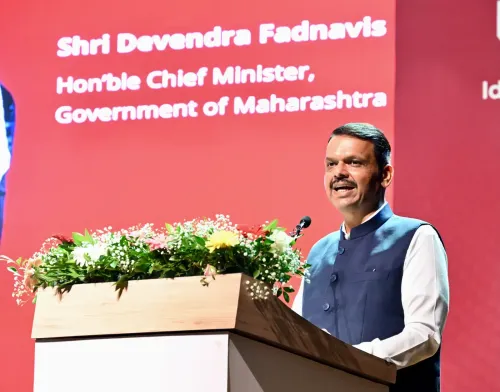
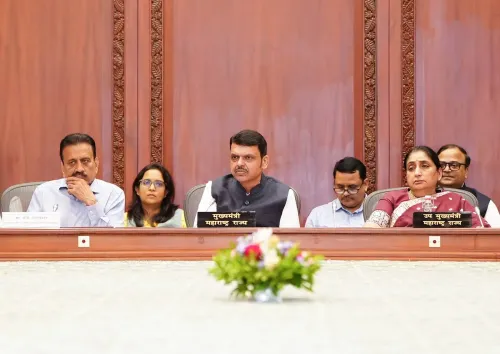
Maharashtra CM Devendra Fadnavis launched the revamped Samruddha Panchayatraj Abhiyan 2.0 for rural development, reviewed Nashik-Trimbakeshwar Kumbh Mela 2027 infrastructure, and formalised a strategic Bloomberg partnership to boost Mumbai's innovation standing — all in a single day across Nashik and Mumbai on 11 October 2026.
Key Takeaways
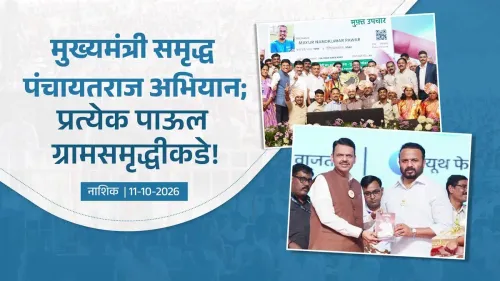
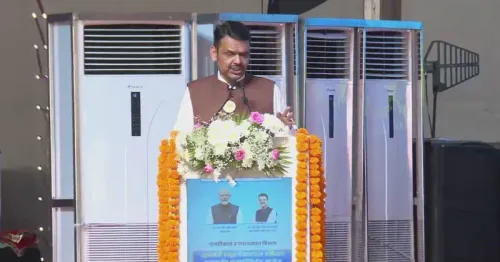
Mukhyamantri Samruddha Panchayatraj Abhiyan 2.0 was officially launched on 11 October 2026 to accelerate community-driven rural development across Maharashtra.
CM Devendra Fadnavis personally reviewed development works in Nashik and Trimbakeshwar ahead of the Simhastha Kumbh Mela 2027 , one of the world's largest religious gatherings.
The Nashik-Trimbakeshwar Kumbh is a once-every-twelve-years event on the banks of the Godavari , drawing tens of millions of pilgrims.
A strategic partnership with Bloomberg was formalised in Mumbai to strengthen Maharashtra's growth and innovation ecosystem.
The day spanned two cities — Nashik and Mumbai — covering grassroots governance, mega-event readiness, and global institutional engagement.
Three missions, one packed day. On 11 October 2026, Maharashtra Chief Minister Devendra Fadnavis moved between Nashik and Mumbai to inaugurate a revamped rural-governance scheme, inspect infrastructure for one of India's largest religious gatherings, and seal a strategic partnership with a global financial-data giant — signalling the breadth of his government's current development agenda.
Samruddha Panchayatraj Abhiyan 2.0 takes off
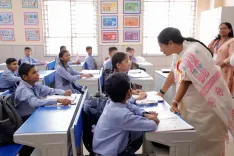
The centrepiece of the day was the formal launch of Mukhyamantri Samruddha Panchayatraj Abhiyan 2.0, the state government's upgraded programme to accelerate rural development through active community participation — loksahbhagitun gramin vikasala navi gati ('giving new momentum to rural development through people's participation'). The scheme builds on an earlier iteration and is designed to empower gram panchayats across Maharashtra with resources, accountability frameworks, and citizen-driven planning. Rural Maharashtra, home to a large share of the state's population, has long been the political and administrative pressure point for any government in Nagpur and Mumbai.
Nashik-Trimbakeshwar Simhastha Kumbh Mela 2027: the clock is ticking
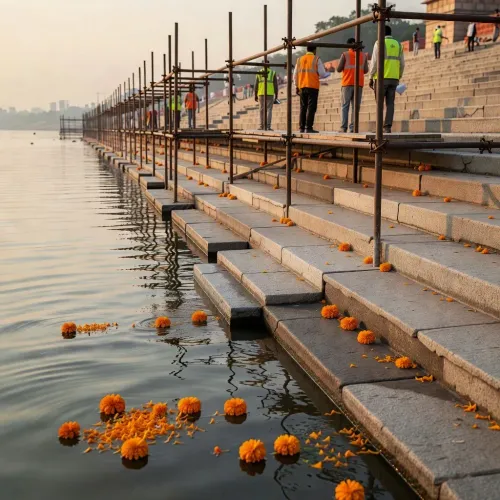
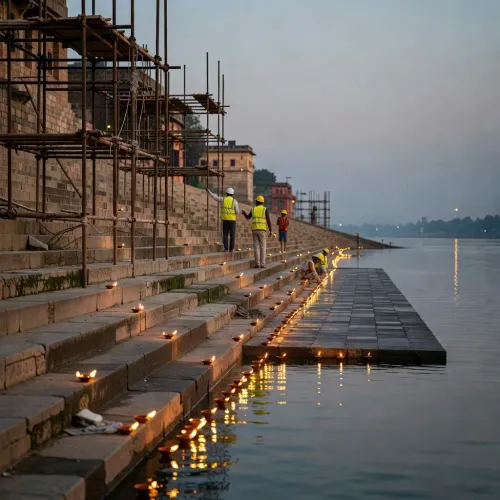
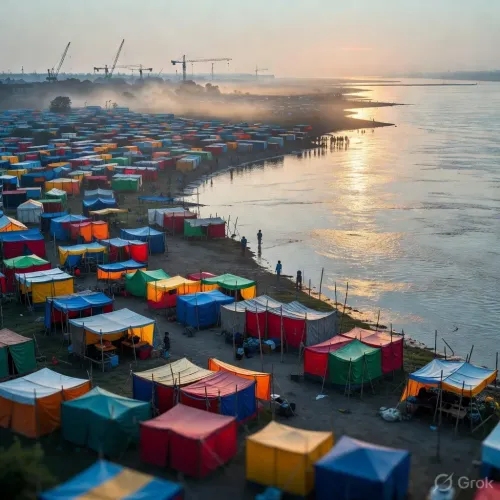
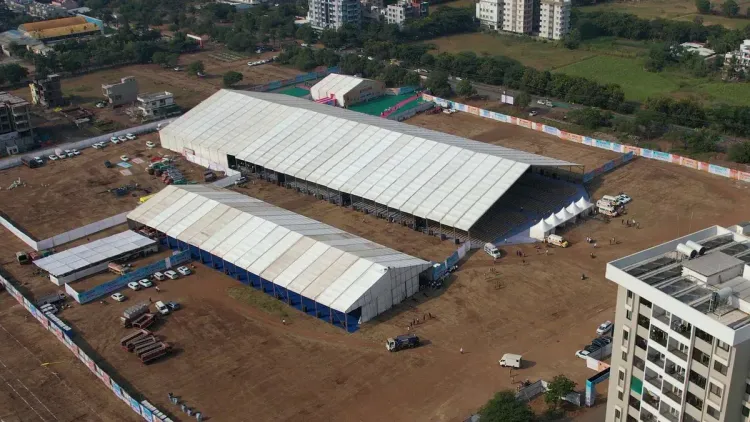
From the scheme launch, Fadnavis turned his attention to Nashik and Trimbakeshwar, reviewing the progress of development works tied to the Simhastha Kumbh Mela 2027. The Nashik-Trimbakeshwar Kumbh — held every twelve years along the banks of the Godavari — draws tens of millions of pilgrims and is one of the world's largest human gatherings. With the event roughly a year away, the state is under pressure to complete road upgrades, crowd-management infrastructure, sanitation facilities, and ghats well ahead of the first major bathing date. A review at this stage signals that the government is treating the deadline seriously. Miss it, and the political cost is severe; nail it, and Maharashtra earns a rare showcase on the global stage.
Bloomberg partnership: Mumbai's innovation ambitions go global
The third pillar of the day was a strategic partnership with Bloomberg in Mumbai, described by the Chief Minister's office as a move to strengthen Maharashtra's 'growth and innovation ecosystem.' Bloomberg's global footprint in financial data, media, and urban-policy research makes such a tie-up meaningful for a state that hosts India's financial capital. The precise contours of the partnership — whether it covers smart-city data, financial-inclusion metrics, or climate-risk analytics — were not detailed in the post, but the framing points firmly at positioning Mumbai as a hub that can attract globally credible institutional partners.
One day, three signals: grassroots governance, mega-event readiness, and global institutional credibility. Fadnavis is clearly trying to show that his administration can hold all three threads simultaneously — and the calendar pressure of Kumbh 2027 means there is very little room to drop any of them.
Point of View
Mega-event governance, and global institutional credibility simultaneously. Samruddha Panchayatraj 2.0 speaks to the BJP's rural vote-bank in Maharashtra after a turbulent electoral cycle, while the Kumbh 2027 review underscores administrative seriousness on a religiously and logistically high-stakes deadline. The Bloomberg tie-up, meanwhile, is the kind of headline that travels beyond Maharashtra — projecting Mumbai as a city comfortable with global partners, which matters as Indian states increasingly compete for foreign investment and institutional recognition. Together, the signals suggest Fadnavis is governing with both the next election and Maharashtra's longer-term brand on his mind.
NationPress
12 Oct 2026
Frequently Asked Questions
What is Mukhyamantri Samruddha Panchayatraj Abhiyan 2.0?
It is a Maharashtra government scheme launched by CM Devendra Fadnavis on 11 October 2026 to accelerate rural development by empowering gram panchayats through community participation and improved resources.
When is the Nashik-Trimbakeshwar Simhastha Kumbh Mela 2027?
The Simhastha Kumbh Mela at Nashik and Trimbakeshwar is scheduled for 2027. It is held every twelve years on the banks of the Godavari river and attracts tens of millions of pilgrims.
What is the Bloomberg partnership with Maharashtra about?
CM Fadnavis formalised a strategic partnership with Bloomberg in Mumbai on 11 October 2026 aimed at strengthening Maharashtra's growth and innovation ecosystem, though full details of the collaboration's scope were not disclosed.
Why is CM Fadnavis reviewing Kumbh 2027 preparations now?
With the Kumbh Mela roughly a year away, the state government is under pressure to complete roads, ghats, sanitation, and crowd-management infrastructure well before the event begins, making an October 2026 review a critical checkpoint.
What cities did Devendra Fadnavis visit on 11 October 2026?
Fadnavis visited both Nashik — for the Panchayatraj scheme launch and Kumbh 2027 review — and Mumbai, where the Bloomberg partnership was formalised.