Bangladesh foreign debt rises 3.65% to $114.98 bn in April–June 2026
Synopsis
Bangladesh's foreign debt crossed $114.98 billion in April–June 2026, with public-sector borrowing rebounding by $4.19 billion after the government drew nearly $3 billion in emergency budget support from the World Bank and ADB. The figure lands at a moment when 2.1 million Bangladeshis slipped into poverty in a single fiscal year — raising hard questions about whether multilateral loans are plugging a fiscal gap or funding an inequality spiral.
Key Takeaways
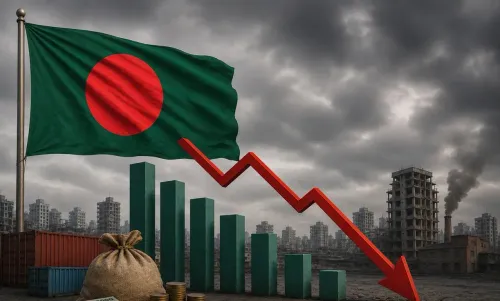
Bangladesh's total foreign debt stood at $114.98 billion at the end of June 2026 , up 3.65% from the previous quarter.
Public-sector debt rose by $4.19 billion to $95.10 billion , reversing a multi-quarter decline.
The rebound was fuelled by nearly $3 billion in budget support from the World Bank and Asian Development Bank linked to Middle East conflict fallout.
Private-sector foreign debt fell by $140 million to $19.89 billion , driven by lower short-term loans and trade credit.
An estimated 2.1 million people fell into poverty in Bangladesh's last fiscal year; the World Bank warns 62 million more globally face the same risk from inflation and the energy crisis.
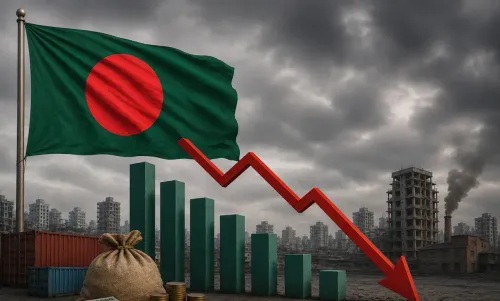
Bangladesh's foreign debt climbed 3.65% quarter-on-quarter to $114.98 billion at the close of the April–June 2026 quarter, according to data released by Bangladesh Bank. The surge was driven primarily by a sharp rebound in public-sector borrowing, reversing a contraction that had persisted over the preceding two quarters.
Public Sector Debt Rebounds Sharply
Public-sector foreign debt rose by $4.19 billion to reach $95.10 billion, ending a period of decline that had seen the figure fall from $93.74 billion in June of the previous year to $90.91 billion by the end of March 2026. That earlier reduction, according to Bangladesh Bank figures, was largely attributable to sluggish implementation of foreign-funded development projects.
The reversal came after the government secured nearly $3 billion in budget support from multilateral and bilateral partners — including the World Bank and the Asian Development Bank (ADB) — to manage the economic fallout from the Middle East conflict.
Private Sector Debt Edges Lower
In contrast, private-sector foreign debt contracted by $140 million to $19.89 billion. The decline was driven by reductions in short-term loans, buyer's credit, and trade credit, reflecting tighter appetite among private borrowers amid an uncertain global environment.
Poverty and Inequality Concerns Mount
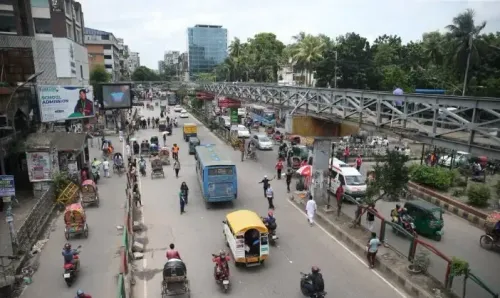
Beyond the debt headline, Bangladesh's broader economic picture is drawing scrutiny. An estimated 2.1 million people slipped into poverty in the last fiscal year alone, according to reports citing World Bank projections. Globally, the World Bank warns that 62 million more people could be pushed into poverty by persistent inflation and an energy crisis.
Critics argue that Bangladesh's economic policy priorities risk deepening these fault lines. Large infrastructure and defence purchases, they contend, are crowding out targeted welfare measures for the poor. Rising prices and power shortages are reportedly squeezing manufacturing output, reducing investment, and cutting jobs across private and informal sectors. Notably, inequality shows no sign of narrowing under the current fiscal framework, analysts say.
What This Means Going Forward
The debt trajectory raises questions about Bangladesh's medium-term fiscal headroom, particularly as budget support loans — while stabilising in the short term — add to the sovereign debt load. The government's ability to channel multilateral inflows toward growth-generating projects, rather than balance-of-payments support, will be a key marker to watch in the quarters ahead. Analysts will also track whether poverty metrics stabilise once energy and food price pressures ease.
Point of View
But it also accelerated a public debt expansion that had only recently been corrected. The deeper concern is structural: multilateral loans secured to manage external shocks are being stacked on top of a domestic economy where 2.1 million people entered poverty in a single year. If the government continues to prioritise large infrastructure and defence outlays over welfare cushions, the debt-to-poverty equation worsens — and the next external shock will find Bangladesh with less fiscal space than today, not more.
NationPress
12 Oct 2026
Frequently Asked Questions
How much is Bangladesh's total foreign debt as of June 2026?
Bangladesh's total foreign debt stood at $114.98 billion at the end of the April–June 2026 quarter, according to Bangladesh Bank data. This represents a 3.65% increase from the previous quarter.
Why did Bangladesh's public-sector foreign debt rise sharply?
Public-sector foreign debt rose by $4.19 billion to $95.10 billion after the government secured nearly $3 billion in budget support from the World Bank and the Asian Development Bank to cushion the economic fallout from the Middle East conflict. This reversed a decline that had brought the figure down to $90.91 billion by March 2026.
Why did private-sector foreign debt fall in the same period?
Private-sector foreign debt contracted by $140 million to $19.89 billion, driven by reductions in short-term loans, buyer's credit, and trade credit. The decline reflects tighter private borrowing conditions amid global economic uncertainty.
How is Bangladesh's growing debt affecting ordinary citizens?
An estimated 2.1 million people slipped into poverty in Bangladesh's last fiscal year. Rising prices and power shortages are squeezing manufacturing, reducing investment, and cutting jobs in both the private and informal sectors. Critics argue that large infrastructure and defence spending is crowding out targeted support for the poor.
What does the World Bank project for global poverty linked to inflation and the energy crisis?
The World Bank projects that 62 million more people globally could be pushed into poverty by persistent inflation and an ongoing energy crisis. Bangladesh, already grappling with rising inequality and power shortages, is considered among the vulnerable economies in this outlook.