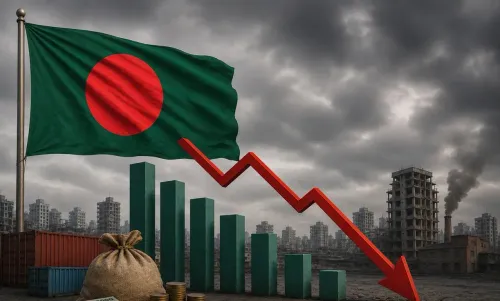
Bangladesh foreign debt burden set to nearly double to $7.6 bn by FY29
Synopsis
Bangladesh is staring at a near-doubling of its annual foreign debt repayments — from $4.11 billion to $7.6 billion — by FY2029, as loans for the Rooppur Nuclear Power Plant, Chinese infrastructure packages, and World Bank tranches all enter their costliest repayment phases simultaneously. With total foreign debt stock heading toward $123 billion, the fiscal squeeze could reshape Bangladesh's development spending for years.
Key Takeaways
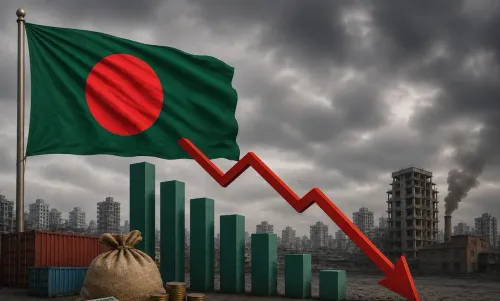
Bangladesh's annual foreign debt servicing is projected to rise from $4.11 billion in FY25 to $7.6 billion in FY29 — nearly doubling in four years.
The FY29 burden includes $4.3 billion in principal repayments and $3.3 billion (Tk 40,300 crore) in interest payments.
Total foreign debt stock is forecast to reach $123 billion by FY2028-29 , up from $77.27 billion last fiscal year.
Repayments for the Rooppur Nuclear Power Plant are expected to require around $600 million annually; Russia's $12 billion loan repayment begins September 2028 .
Bangladesh borrowed approximately $9 billion from China ; Chinese loans carry a 5-year grace period and 15-year repayment window at 2 per cent interest.
A stronger US dollar and post- Covid-19 debt accumulation are key structural drivers, according to former World Bank economist Zahid Hussain .
Bangladesh's foreign debt servicing obligations are projected to nearly double — rising from $4.11 billion in FY2024-25 to $7.6 billion in FY2028-29 — driven by surging interest payments, shorter loan maturities, and repayments falling due on several large infrastructure projects, according to the Finance Division's 'Medium-Term Macroeconomic Policy Statement' for FY27–FY29. The trajectory poses a serious challenge to the country's fiscal stability, as reported by The Daily Star, a Dhaka-based newspaper.
Scale of the Debt Surge
For FY2028-29, foreign debt servicing costs are expected to comprise $4.3 billion in principal repayments and interest payments of approximately $3.3 billion — equivalent to Tk 40,300 crore at prevailing exchange rates. The revised estimate for the current fiscal year stands at $4.94 billion, projected to climb further to $5.62 billion in the next fiscal year. Bangladesh's total foreign debt stock is expected to reach $123 billion by FY2028-29, up sharply from $77.27 billion at the end of the last fiscal year and $51 billion in FY2020-21, according to finance ministry data.
Why the Burden Is Rising
Zahid Hussain, former lead economist at the World Bank's Dhaka office, identified three primary drivers: rapid debt accumulation in the post-Covid-19 period, shorter repayment periods compared to earlier borrowings, and rising global interest rates. He also pointed to the structure of World Bank loan repayments, under which borrowers pay 1 per cent interest annually in the first decade, 2 per cent in the next, and progressively higher amounts thereafter — meaning older loans are now entering their costlier repayment phases. A strengthening US dollar is compounding the pressure further, he noted.
Mega Projects Adding Pressure
Repayment schedules for large bilateral loans are also converging. Annual repayments for the Rooppur Nuclear Power Plant loan are expected to require approximately $600 million per year, with repayment of Russia's $12 billion loan for the project commencing in September 2028. Chinese loans carry shorter grace periods and maturities, requiring faster repayments. According to an Economic Relations Division (ERD) report, Bangladesh borrowed approximately $9 billion from China under a package arrangement, of which around $500 million has already been repaid, excluding interest. The interest rate on these loans stands at 2 per cent, with a grace period of only five years and a repayment period of 15 years.
What This Means for Bangladesh
The convergence of multiple large repayments within a narrow window — between FY2027 and FY2029 — leaves Bangladesh with limited fiscal headroom. The country's foreign exchange reserves have already faced stress in recent years, and a near-doubling of annual debt service obligations could constrain public spending on health, education, and social protection. Notably, this comes at a time when Bangladesh is also navigating a post-pandemic economic recovery and political transition. How the government manages refinancing risks and foreign reserve buffers over the next three years will be closely watched by multilateral lenders and credit rating agencies alike.
Point of View
Now maturing at once. What makes this moment particularly precarious is the clustering: Rooppur repayments, Chinese loan deadlines, and World Bank tranches entering high-interest phases are all converging in the same three-year window. Bangladesh's foreign reserves have already been under strain; a $7.6 billion annual outflow leaves almost no buffer for exogenous shocks like a commodity price spike or a remittance slowdown. The government's Medium-Term Macroeconomic Policy Statement acknowledges the trajectory but offers little detail on how it plans to manage refinancing risk — which is precisely the question multilateral creditors and rating agencies will be pressing hardest.
NationPress
24 Sept 2026
Frequently Asked Questions
How much is Bangladesh's foreign debt servicing projected to reach by FY2029?
Bangladesh's annual foreign debt servicing costs are projected to reach $7.6 billion in FY2028-29, nearly double the $4.11 billion recorded in FY2024-25. The figure includes $4.3 billion in principal repayments and approximately $3.3 billion in interest payments.
Why is Bangladesh's debt repayment burden increasing so sharply?
Three main factors are driving the surge: rapid debt accumulation after the Covid-19 pandemic, shorter repayment periods on newer loans, and rising global interest rates. Additionally, older World Bank loans are entering higher-interest repayment phases, and a stronger US dollar is amplifying the cost in local currency terms.
When does repayment of the Rooppur Nuclear Power Plant loan begin?
Repayment of Russia's $12 billion loan for the Rooppur Nuclear Power Plant is scheduled to begin in September 2028. Annual repayments for the project are expected to require around $600 million per year.
How much has Bangladesh borrowed from China, and on what terms?
According to an Economic Relations Division report, Bangladesh borrowed approximately $9 billion from China under a package arrangement. The loans carry a 2 per cent interest rate, a five-year grace period, and a 15-year repayment window — terms that require faster repayments than many multilateral loans.
What is Bangladesh's total foreign debt stock projected to be by FY2029?
Bangladesh's total foreign debt stock is projected to reach $123 billion by FY2028-29, up from $77.27 billion at the end of the last fiscal year and $51 billion in FY2020-21, according to finance ministry data.