Bangladesh power sector crisis: BPDB owes Tk 25,000 crore to IPPs
Synopsis
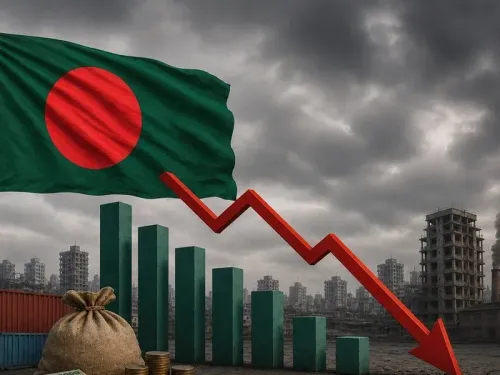
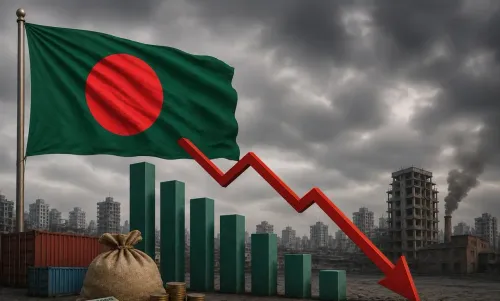
Bangladesh's power sector is teetering on the edge: the BPDB reportedly owes Tk 25,000 crore to independent power producers, leaving plants unable to buy fuel or pay staff. The fallout could cascade into banking insolvency, widespread blackouts, and a freeze on international infrastructure financing — a triple threat the interim government has yet to credibly address.
Key Takeaways
The Bangladesh Power Development Board (BPDB) reportedly owes approximately Tk 25,000 crore to independent power producers ( IPPs ).
IPPs are running short of working capital to purchase fuel, service debt, maintain equipment, and pay employees.
Multiple IPPs face insolvency risk, which could trigger a sharp deterioration in Bangladesh's banking sector asset quality.
Worst-case scenarios include widespread load shedding and prolonged blackouts across the country.
International lenders and multilateral institutions may raise financing costs or withdraw support if government credibility weakens.
Experts recommend a coordinated settlement framework including structured repayment schedules, government-backed instruments, and securitisation of arrears.
Bangladesh's power sector is facing a deepening financial crisis as the country's independent power producers (IPPs) grapple with a severe cash crunch, triggered by mounting payment delays from the government. According to a report published in the Dhaka-based Business Standard, the Bangladesh Power Development Board (BPDB) reportedly owes approximately Tk 25,000 crore to IPPs — arrears that are now threatening the structural stability of the country's energy, banking, and broader economic ecosystem.
Scale of the Payment Crisis
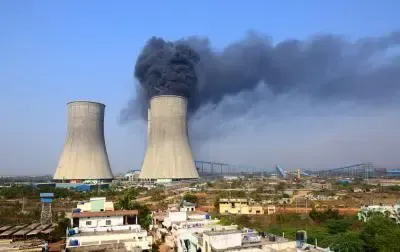
The accumulation of unpaid dues has left power producers critically short of working capital. IPPs are reportedly struggling to purchase fuel, service outstanding debt, carry out routine equipment maintenance, and pay their employees — all of which are prerequisites for keeping power plants operational. The situation, according to the report, has pushed several IPPs to the brink of insolvency.
'Unless liquidity is restored through a coordinated settlement, delayed payments could trigger a chain reaction across the power sector, banking system and wider economy, undermining energy security and investor confidence,' the report warns.
Threat to Bangladesh's Banking Sector
The crisis carries significant contagion risk for Bangladesh's banking system, which has financed a substantial share of the country's electricity infrastructure. If multiple IPPs simultaneously become non-performing borrowers, banks would face a sharp deterioration in asset quality — reducing their capacity to extend credit across the broader economy. The report characterises this as a systemic risk, not merely a sectoral one.
Risk of Blackouts and Load Shedding
Electricity generation itself faces a direct threat. Plants that cannot procure fuel, meet debt obligations, or fund basic maintenance cannot continue operating indefinitely. The report cautions that the most visible consequence for ordinary citizens could be widespread load shedding and, in a worst-case scenario, prolonged blackouts — a politically and economically damaging outcome for the interim administration.
International Credibility Under Pressure
The report also flags reputational and financial risks at the international level. Global commercial banks, multilateral institutions, and export credit agencies extend infrastructure financing on the assumption that government contractual commitments will be honoured. A weakening of that confidence could make future financing for power, LNG, ports, transport, and other strategic infrastructure significantly more expensive — or unavailable altogether — at a time when Bangladesh urgently needs capital inflows.
What Experts Recommend
The report calls on the government, BPDB, IPPs, domestic banks, and international lenders to urgently develop a comprehensive settlement framework. Proposed mechanisms include structured repayment schedules, government-backed payment instruments, refinancing arrangements, and securitisation of arrears. 'The objective should be straightforward: restore liquidity while recognising the Government's fiscal constraints,' the report states. The emphasis is on a coordinated, multi-stakeholder response rather than piecemeal fixes that could leave the underlying imbalance unresolved.
With energy security, banking stability, and investor confidence all at stake, the trajectory of Bangladesh's power sector in the coming months will be closely watched by regional analysts and international creditors alike.
Point of View
000 crore arrears figure is alarming not because of its size alone, but because of its cascading geometry — power to banking to international credit. What the report captures, and mainstream coverage tends to flatten, is that this is not merely a utility billing dispute: it is a test of whether Bangladesh's interim administration can honour contractual commitments that underpin its entire infrastructure financing model. The risk of a simultaneous multi-IPP default is the kind of low-probability, high-impact event that rating agencies and multilateral lenders watch closely. If the government cannot demonstrate a credible settlement path quickly, the cost of capital for every future strategic project — LNG terminals, ports, transport — will rise, compounding the fiscal pressure the administration is already under.
NationPress
2 Oct 2026
Frequently Asked Questions
What is the Bangladesh power sector payment crisis?
Bangladesh's independent power producers are facing a severe cash crunch because the Bangladesh Power Development Board (BPDB) has reportedly accumulated arrears of approximately Tk 25,000 crore in unpaid dues. The shortfall is preventing IPPs from purchasing fuel, servicing debt, and maintaining equipment essential to keep plants running.
How could the crisis affect ordinary citizens in Bangladesh?
If IPPs cannot sustain operations due to lack of funds, electricity generation will decline, leading to widespread load shedding and potentially prolonged blackouts. Citizens and businesses across Bangladesh could face significant disruptions to power supply.
Why is Bangladesh's banking sector at risk?
Banks have financed a large portion of Bangladesh's electricity infrastructure. If multiple IPPs become non-performing borrowers simultaneously, banks will suffer a sharp deterioration in asset quality, reducing their ability to lend to businesses across the economy and creating systemic financial risk.
What impact could this have on Bangladesh's international standing?
Global lenders, multilateral institutions, and export credit agencies may lose confidence in Bangladesh's ability to honour government contractual commitments. This could make future financing for power, LNG, ports, and transport significantly more expensive or inaccessible at a critical time for the country's development.
What solutions have been proposed to resolve the crisis?
Experts recommend that the government, BPDB, IPPs, local banks, and international lenders urgently develop a comprehensive settlement framework. Proposed options include structured repayment schedules, government-backed payment instruments, refinancing arrangements, and securitisation of arrears to restore liquidity while acknowledging fiscal constraints.