Bangladesh power crisis: Load shedding sparks public anger, minister admits no quick fix
Synopsis
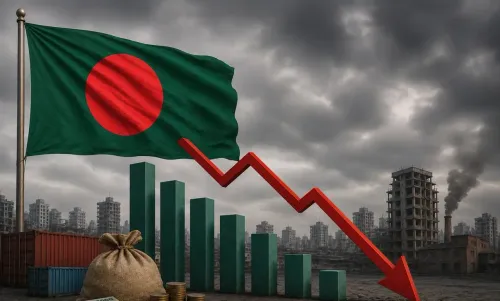
Bangladesh's energy crisis has crossed a critical threshold — substations are being attacked, a minister has admitted he has no tools left to act, and daily blackouts of up to 12 hours are disrupting garment exports, shrimp farms, and student life. The political blame game between BNP and Awami League masks a structural gas supply failure with no fast solution in sight.
Key Takeaways
Bangladesh has imposed nationwide load shedding amid a sharp fall in power generation, as reported on 13 August .
Shops and malls are restricted to operating between 11:00 am and 8:00 pm ; illuminated billboards must be off by 7 pm .
The Bangladesh Rural Electricity Association sought police protection for 80 rural electricity associations after substation attacks.
Power Minister Iqbal Hassan Mahmud admitted the government lacks the means to resolve the crisis quickly, citing FSRU-dependent gas supply constraints.
The Awami League claims daily outages of 6–12 hours are disrupting garments, agriculture, healthcare, and education.
Two floating LNG terminals in Cox's Bazar are the country's primary source of imported gas supply.
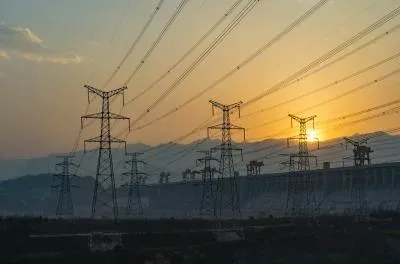
Bangladesh is grappling with a deepening energy crisis, with the government imposing widespread load shedding across the country after a sharp decline in power generation, local media reported on Thursday, 13 August. Public frustration has risen sharply, with reports of attacks on substations in rural areas prompting electricity distribution bodies to seek police protection.
Key Developments
The government has rolled out a series of emergency conservation measures, effective from Wednesday. Shopping malls, markets, and shops have been ordered to operate only between 11:00 am and 8:00 pm. Illuminated billboards must be switched off by 7 pm, and all decorative lighting has been banned entirely. The measures reflect the scale of the shortfall in available power supply.
The Bangladesh Rural Electricity Association wrote to police headquarters on Wednesday, requesting heightened security at 80 rural electricity associations across the country. The association warned that public anger over prolonged outages has already led to attacks on substations in some areas.
What the Minister Said
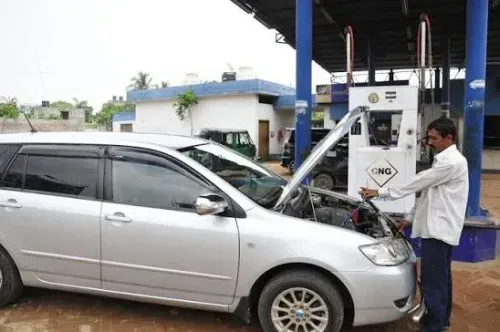
Iqbal Hassan Mahmud, Minister for Power, Energy and Mineral Resources, acknowledged the government's constrained options. 'All I want to say is, we are working... In this time of crisis, I have nothing to do. Because now I will not be able to extract gas or, without Floating Storage and Regasification Unit (FSRU), I will not be able to extract the gas that I have,' he was quoted as saying by leading Bangladeshi daily Prothom Alo. The country currently operates two floating LNG terminals in Cox's Bazar for imported gas supply.
Political Blame Game Intensifies
The opposition Awami League has accused the ruling BNP government of plunging the country into an unprecedented energy crisis, alleging it has perpetuated what the party called the 'fatal policy inertia' of the previous interim administration led by Muhammad Yunus. The party claimed that daily outages lasting between six and 12 hours have become routine across the country.
'The crisis is no longer a temporary inconvenience; it is a full-blown systemic collapse,' the Awami League said in a statement, adding that power deficits are paralysing major cities and regional districts alike.
Human and Economic Impact
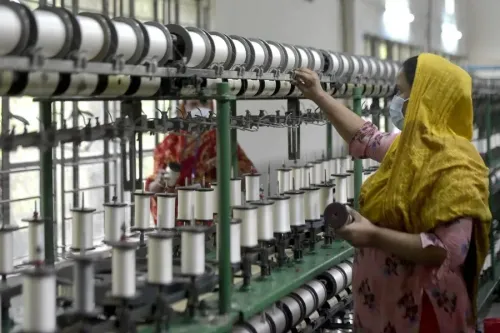
The Awami League detailed the cascading consequences of sustained outages. Students in rural and semi-urban areas are reportedly studying by phone light or abandoning evening study entirely. Garment units in industrial belts have reported repeated multi-hour production stoppages. Rice mills have been left idle, and semi-intensive shrimp farms in Khulna face oxygen crashes when aerators fail, risking entire stock losses. Irrigation pumps have stopped functioning in Rajshahi and Natore, compounding the strain on agriculture.
Manufacturers already contending with gas shortages are now facing a second layer of energy failure, with rising diesel costs and delayed export shipments adding to the pressure. With the crisis showing no immediate signs of abating, the government faces mounting pressure to secure additional gas supply and restore stable power distribution.
Point of View
And no government has built the domestic capacity to escape that dependency. The political exchange between BNP and Awami League obscures the real story: both parties presided over a power sector that expanded generation capacity without securing the fuel to run it. The minister's candid admission — that he simply cannot act — is rare honesty, but it also signals that relief is not coming soon, and the burden will fall hardest on rural households, small exporters, and farmers who cannot afford diesel backup.
NationPress
28 Sept 2026
Frequently Asked Questions
Why is Bangladesh facing load shedding in 2025?
Bangladesh is experiencing load shedding due to a significant decline in power generation, driven by constraints in gas supply. The country relies heavily on imported LNG through floating terminals in Cox's Bazar, and infrastructure limitations are preventing the government from ramping up supply quickly.
What emergency measures has the Bangladesh government introduced?
The government has restricted shopping malls, markets, and shops to operating between 11:00 am and 8:00 pm. Illuminated billboards must be switched off by 7 pm, and all decorative lighting has been banned. These measures took effect on Wednesday.
Why are substations being attacked in Bangladesh?
According to the Bangladesh Rural Electricity Association, prolonged and severe load shedding in rural areas has driven public anger to the point where some substations have come under attack. The association has formally requested police protection for 80 rural electricity associations across the country.
What did Bangladesh's Power Minister say about the crisis?
Minister Iqbal Hassan Mahmud acknowledged that the government has limited options, stating he cannot extract additional gas without a Floating Storage and Regasification Unit (FSRU). He admitted the government is working but has no immediate mechanism to end the load shedding.
How is the energy crisis affecting Bangladesh's economy?
The Awami League claims daily outages of 6 to 12 hours are hitting garment factories, rice mills, shrimp farms in Khulna, and irrigation pumps in Rajshahi and Natore. Rising diesel costs and production stoppages are reportedly delaying export shipments and eroding industrial competitiveness.