Bangladesh opposition slams BNP govt over energy crisis, 900+ factory closures

Synopsis
Bangladesh's opposition has turned the BNP government's own 180-day benchmark against it — pointing to 900-plus factory closures, 62,000 job losses, an unresolved energy crisis, and unverified claims of 1,800 killings and 512 disappearances in six months. The government's self-set scorecard has become its sharpest liability.
Key Takeaways
Opposition leaders in Dhaka on 28 August rejected the BNP government's claims of success after its first 180 days in office.
Independent MP Rumeen Farhana said more than 900 factories have shut down and 62,000 people have lost jobs — despite a pre-election promise of one crore new jobs .
The Jamaat-e-Islami -led 11-party alliance cited unverified figures of approximately 512 abductions or enforced disappearances and roughly 1,800 killings over six months.
The government had itself set law and order, commodity prices, and energy security as its three key 180-day priorities, all of which the opposition says have worsened.
The ongoing gas and electricity crisis has drawn public ridicule, with citizens mocking Energy Minister Iqbal Hassan Mahmood through a satirical phrase.
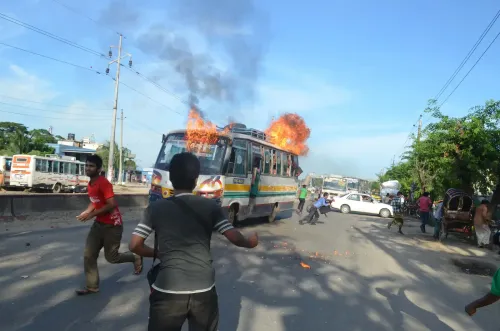
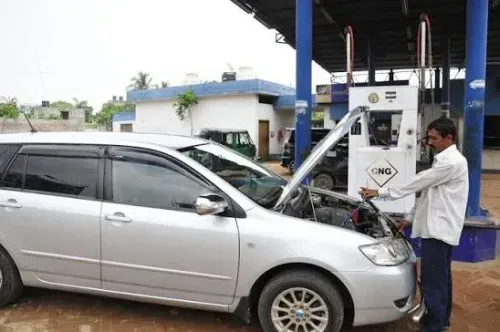
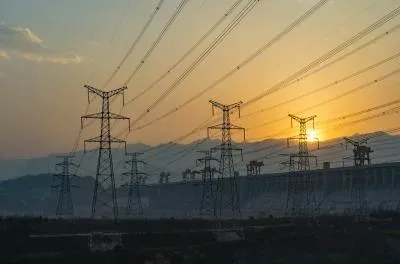
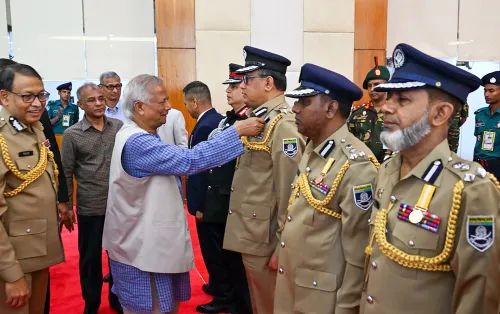
Bangladesh's opposition leaders on Thursday, 28 August sharply rejected the BNP government's claims of success after its first 180 days in office, citing a deepening energy crisis, frequent load shedding, closure of more than 900 factories, mounting unemployment, and a deteriorating law and order situation across the country, according to local media reports.
Opposition Voices in Parliament
Speaking on the floor of the national Parliament in Dhaka, independent lawmaker Rumeen Farhana levelled a pointed critique at the government, drawing attention to widespread public frustration over the ongoing gas and electricity shortfall. She noted that citizens have taken to sarcastically saying, 'Here comes Tuku, there goes Tuku,' a jibe directed at Power, Energy and Mineral Resources Minister Iqbal Hassan Mahmood and the unresolved power crisis.
'Fuel prices are rising, there is an outcry over electricity, and gas is unavailable... this is the same government that promised one crore new jobs during the election. Yet within six months of coming to power, 62,000 people have lost their jobs. More than 900 factories have shut down. Will new jobs be created? Those who are employed, only God knows how long their jobs will last,' Rumeen was quoted as saying by The Daily Star.
She recalled that the government had itself identified three priorities for its first 180 days — improving law and order, controlling commodity prices, and ensuring energy security — and argued it had failed on all three counts.
Law and Order Under Fire
On the security situation, Rumeen was blunt: 'It is difficult to speak about it. Our home minister either mocks the issue or hides behind wordplay.' She went further, saying that even if Bangladesh had 64 home ministers — one for each district — the situation could hardly be worse than it currently is.
This comes amid a broader pattern of political pressure on the BNP administration, which assumed office promising swift improvements on multiple governance fronts. Critics argue the government's messaging has outpaced its delivery.
Jamaat-Led Alliance Piles On
The Jamaat-e-Islami-led 11-party alliance also condemned the government's performance. Speaking to journalists after an alliance leaders' meeting, Jamaat's Assistant Secretary-General Hamidur Rahman Azad said, 'Public suffering, deterioration of law and order, and insecurity have increased in the country,' according to Prothom Alo.
Hamidur cited figures on abductions, enforced disappearances, and killings, claiming that approximately 512 people had been abducted or subjected to enforced disappearance over nearly six months, and that roughly 1,800 had been killed. He did not identify the source of these figures, and they could not be independently verified.
'The electricity and gas crises, the closure of industrial plants, unemployment, the deterioration of law and order, and the failure to ensure people's security must be viewed as failures of the government,' he said.
The Broader Economic Picture
The opposition's broadside reflects growing anxiety over Bangladesh's economic trajectory. Industrial plant closures and job losses — if the figures cited hold up — would represent a significant reversal for a country that built its growth story on garment exports and manufacturing employment. Notably, the government's own 180-day benchmark invited scrutiny by setting measurable targets, making it easier for critics to frame shortfalls as broken promises.
With no immediate resolution to the energy supply crunch in sight, pressure on the BNP administration is likely to intensify in the weeks ahead.
Point of View
Failure to meet them is not just a policy shortfall; it is a credibility crisis. The figures cited by Jamaat — 1,800 killings and 512 disappearances — are unverified and must be treated with caution, but their very circulation in Parliament signals how badly the security narrative has slipped. Bangladesh's energy crisis is structural, not cyclical, and no administration has solved it quickly; but the BNP's pre-election rhetoric left it with little room to manage expectations. The real risk now is that economic grievance and security anxiety feed each other, narrowing the government's political space before it can show results.
NationPress
12 Oct 2026
Frequently Asked Questions
Why are Bangladesh opposition leaders criticising the BNP government?
Opposition leaders argue the BNP government has failed to deliver on its own three priorities for its first 180 days in office — improving law and order, controlling commodity prices, and ensuring energy security. They cite over 900 factory closures, 62,000 job losses, and a persistent electricity and gas crisis as evidence of underperformance.
What did MP Rumeen Farhana say in Parliament about Bangladesh's energy crisis?
Independent lawmaker Rumeen Farhana said fuel prices are rising, electricity is in short supply, and gas is unavailable, while the government had promised one crore new jobs before the election. She noted that instead, 62,000 people had lost jobs and more than 900 factories had shut down within six months of the government taking office.
What figures did the Jamaat-led alliance cite on law and order?
Jamaat-e-Islami's Assistant Secretary-General Hamidur Rahman Azad claimed approximately 512 people had been abducted or subjected to enforced disappearance and roughly 1,800 had been killed over nearly six months. He did not identify the source of these figures, and they have not been independently verified.
Who is Iqbal Hassan Mahmood and why is he being criticised?
Iqbal Hassan Mahmood is Bangladesh's Power, Energy and Mineral Resources Minister. He has become a focal point of public frustration over the prolonged electricity and gas crisis, with citizens reportedly mocking the situation through a satirical phrase referencing his name.
What is the significance of the BNP government's 180-day benchmark?
The BNP government publicly set 180 days as a milestone to demonstrate progress on law and order, commodity prices, and energy security. By framing its own performance targets, it invited direct accountability — and the opposition has used that framework to argue the government has failed on all three counts.