Bangladesh energy crisis: Awami League slams BNP over 12-hour power cuts
Synopsis
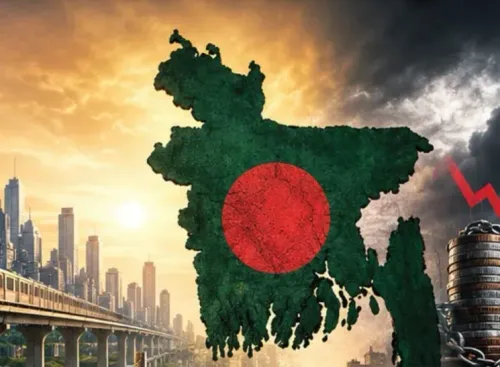
Bangladesh's Awami League is calling it a 'full-blown systemic collapse' — daily power cuts of up to 12 hours are shutting garment factories, stalling irrigation pumps, crashing shrimp farm oxygen systems, and darkening hospital wards. The opposition's broadside against the BNP government signals that the energy crisis has crossed from infrastructure failure into a live political emergency.
Key Takeaways
The Awami League has accused the BNP government of causing an unprecedented energy crisis in Bangladesh , with daily outages of 6 to 12 hours .
The party claims the BNP has continued the 'fatal policy inertia' of the previous interim administration led by Muhammad Yunus .
Garment units, rice mills, and shrimp farms in Khulna are among the industries reporting severe disruption.
Irrigation pumps in Rajshahi and Natore have reportedly stopped, threatening agricultural output.
Regional hospitals are relying on diesel generators to run ICUs, conduct surgeries, and maintain vaccine cold chains.
The Awami League warned that the crisis threatens Bangladesh's credibility with foreign buyers and long-term investment prospects.
Bangladesh's Awami League has accused the ruling Bangladesh Nationalist Party (BNP) government of driving the country into an unprecedented energy emergency, alleging that daily power outages of between six and 12 hours are crippling life across Dhaka and beyond. The opposition party, in a sharply worded statement on 13 August, charged that the BNP has perpetuated what it called the 'fatal policy inertia' of the previous interim administration headed by Muhammad Yunus.
Scale of the Crisis
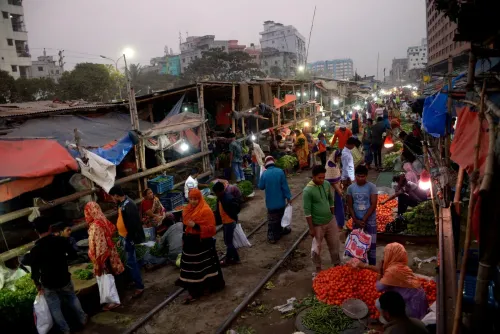
The Awami League described the situation as far beyond a routine supply disruption. 'The crisis is no longer a temporary inconvenience; it is a full-blown systemic collapse,' the party stated, adding that record power deficits are paralysing major cities and regional districts simultaneously. According to the party's account, ordinary households are bearing the immediate brunt — families losing sleep, small businesses shutting early, and basic cooking routines disrupted for hours at a stretch.
Students in rural and semi-urban areas are reportedly studying by phone light or abandoning evening study sessions entirely, the party said, warning that a decade's worth of investment in digital learning tools is being rendered ineffective during the longest outages.
Impact on Industry and Agriculture
The economic fallout, as described by the Awami League, cuts across multiple sectors. Garment units in industrial belts have reported repeated multi-hour stoppages, while rice mills have been left idle. The party highlighted that semi-intensive shrimp farms in Khulna face oxygen crashes when aerators fail during cuts, risking entire livestock stocks. Irrigation pumps have reportedly stopped functioning in Rajshahi and Natore, threatening agricultural output.
Manufacturers already grappling with gas shortages are now facing a second energy failure, the party argued, with rising diesel costs and delayed export shipments compounding the pressure on Bangladesh's export-oriented economy.
Healthcare Under Heightened Risk
The Awami League flagged particular concern over the healthcare sector, noting that regional hospitals and clinics are heavily dependent on diesel generators to power intensive care units, conduct surgeries, and maintain vaccine cold chains. In a healthcare system still working to expand its capacity, the party said, prolonged power disruptions pose a direct threat to patient safety — a concern that goes beyond economic inconvenience.
Political Accountability
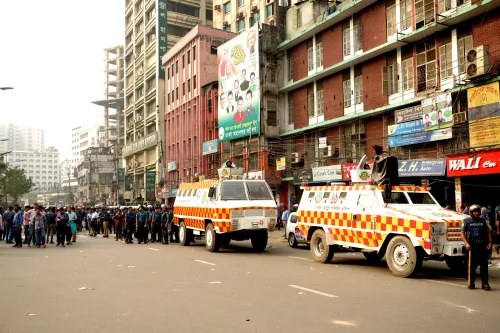
The Awami League trained its criticism on the sequence of governments that took office following Bangladesh's 2024 political upheaval, arguing that both the Yunus-led interim administration and the now-elected BNP government have allowed a manageable crisis to deepen into a national emergency. 'The lights are going out. The question is how much longer the public will tolerate the darkness,' the party said in its statement.
Bangladesh's growth model, built on manufacturing, agriculture, and reliability for foreign buyers, faces erosion of investor confidence if persistent shortages continue to raise costs and delay shipments, the party warned. With no immediate resolution publicly announced by the BNP government, the energy standoff is set to remain a defining political flashpoint in Dhaka.
Point of View
But the underlying facts it cites — factory stoppages, failing hospital generators, collapsed irrigation — are hard to dismiss as partisan theatre. What is striking is that Bangladesh's energy vulnerability long predates the BNP's return; successive administrations, including the Awami League's own long tenure, deferred structural fixes to power generation and gas supply. The real accountability gap is not which party is in office but why no government has treated energy infrastructure as a non-negotiable foundation rather than a budget line item. If the garment sector — Bangladesh's primary foreign-exchange earner — begins losing orders over reliability concerns, the political blame game will matter far less than the economic damage already done.
NationPress
28 Sept 2026
Frequently Asked Questions
What is the energy crisis in Bangladesh that the Awami League is describing?
The Awami League has described daily power outages lasting between six and 12 hours across Bangladesh, affecting households, industry, agriculture, and healthcare. The party characterised it as a 'full-blown systemic collapse' rather than a temporary supply disruption.
Why is the Awami League blaming the BNP government?
The Awami League argues that the BNP government, which took office after the 2024 political upheaval, has continued the energy policy failures of the previous interim administration led by Muhammad Yunus, allowing a solvable crisis to deepen into a national emergency.
Which sectors in Bangladesh are most affected by the power outages?
According to the Awami League, the worst-hit sectors include garment manufacturing, rice milling, shrimp farming in Khulna, agricultural irrigation in Rajshahi and Natore, and healthcare — where hospitals are running ICUs and surgeries on diesel generators.
How does the power crisis affect Bangladesh's economy?
The Awami League warned that persistent outages are raising diesel costs, delaying export shipments, and deterring foreign investment — directly threatening Bangladesh's export-oriented growth model, which depends on manufacturing reliability for international buyers.
What has the BNP government said in response to the energy crisis?
The source does not include a public response from the BNP government to the Awami League's statement. No official rebuttal or remedial announcement was cited in the party's account of the situation.