CM Fadnavis Hails 12 Years of Modi's Women Empowerment Push
Synopsis
Maharashtra CM Devendra Fadnavis marked twelve years of PM Modi's governance on June 12, 2026, crediting flagship schemes in water, sanitation, housing, banking, and livelihoods with transforming the lives of crores of Indian women under the banner of Nari Shakti.
Key Takeaways
Devendra Fadnavis posted on June 12, 2026 , marking 12 years of PM Narendra Modi's government with a focus on women's empowerment.
Schemes cited include Jal Jeevan Mission , Swachh Bharat Mission , Pradhan Mantri Awas Yojana , and Pradhan Mantri Jan Dhan Yojana .
Pradhan Mantri Awas Yojana (2015) mandated women's names on house titles, strengthening property rights for women.
Jal Jeevan Mission (2019) was explicitly framed as reducing the burden of water collection that falls disproportionately on women.
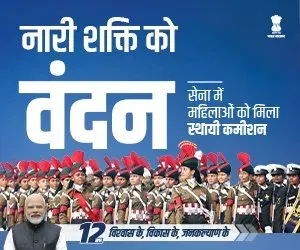
The post is part of a broader BJP communications push under the hashtag #12YearsOfNariShakti .
State-level completion rates for Jal Jeevan Mission and PMAY in Maharashtra will be key metrics to watch.
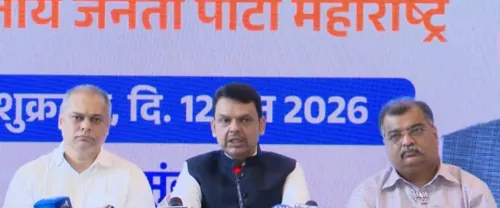
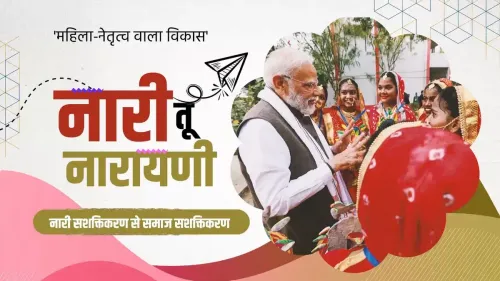
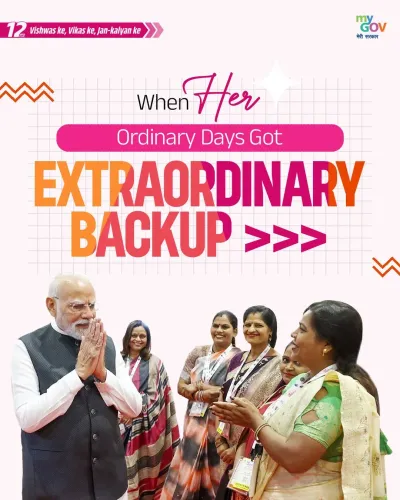
Maharashtra Chief Minister Devendra Fadnavis on Friday, June 12, 2026, credited Prime Minister Narendra Modi's twelve years of governance with giving new direction and momentum to women's empowerment in India, citing flagship schemes in water, sanitation, housing, banking, and livelihoods as catalysts of positive change for crores of women across the country.
Context
Posting under the hashtags #12YearsOfNariShakti and #WomenLedDevelopment, Fadnavis wrote: 'Empowered women, prosperous India! Under the visionary leadership of Prime Minister Narendra Modi ji, the last 12 years have given a new direction and new momentum to women's empowerment. Schemes related to water, sanitation, housing, banking, and livelihoods have brought positive change in the lives of crores of mothers and sisters.' He added that Indian women are today 'setting new milestones in every field with confidence and playing a leading role in building a developed India.'
The post marks what the Bharatiya Janata Party (BJP) is framing as a twelve-year milestone since Narendra Modi first took office in May 2014, and aligns with a broader party-wide communications push on the theme of Nari Shakti (women's power).
Policy Backdrop
The schemes referenced by Fadnavis span more than a decade of central government programming. Pradhan Mantri Jan Dhan Yojana, launched in August 2014, expanded banking access with explicit targets for women account holders. Swachh Bharat Mission, initiated in October 2014, aimed to improve household sanitation coverage, with women cited as primary beneficiaries of reduced open defecation.
Pradhan Mantri Awas Yojana — covering both urban and rural housing — was announced in 2015 and mandated that women's names appear on house titles across several categories, a step framed as strengthening property rights. Jal Jeevan Mission, rolled out in 2019, targeted piped water connections to rural households, explicitly framed as reducing the burden of water collection that falls disproportionately on women.
The central government has, since 2014, consistently presented these infrastructure and financial-inclusion schemes together under the label of 'women-led development', bundling measurable outputs with a broader narrative of women's rising participation in economic and public life.
Stakeholders and Impact
The primary beneficiaries of the schemes cited are rural women and women-headed households, who have historically faced the sharpest gaps in access to clean water, formal banking, and secure housing. Maharashtra, as one of India's most populous states, has been a significant implementation ground for all four central programmes.
State governments, including Maharashtra under Fadnavis, have aligned their own implementation machinery and public communications with these central initiatives. The Chief Minister's post reinforces that alignment, signalling continued state-level support for the Viksit Bharat (Developed India) framing ahead of what observers expect to be a policy-heavy period in the second half of 2026.
What's Next
Analysts and policy watchers will look to state-level evaluation reports on Jal Jeevan Mission completion rates and Pradhan Mantri Awas Yojana housing delivery in Maharashtra for ground-level evidence of the outcomes Fadnavis highlights. Upcoming Union Budget guidelines on women's livelihood schemes will also be closely tracked.
The twelve-year framing suggests the BJP intends to use the anniversary as a sustained campaign theme, with state leaders like Fadnavis amplifying the message at the regional level — a pattern likely to intensify as the party positions its welfare record ahead of future electoral cycles.
Point of View
And the twelve-year marker gives the party a fresh opportunity to consolidate that record into a single, electorally legible story. By tagging PM Modi directly and deploying the hashtag #12YearsOfNariShakti, Fadnavis signals Maharashtra's role as an active co-owner of the narrative rather than a passive beneficiary. The real test of the claim, however, lies in granular state-level data on scheme completion and women's economic outcomes — numbers that will determine whether the political messaging holds up to scrutiny.
NationPress
26 Oct 2026
Frequently Asked Questions
What is #12YearsOfNariShakti that Devendra Fadnavis posted about?
It is a BJP campaign hashtag marking twelve years since Narendra Modi became Prime Minister in May 2014, highlighting central government schemes focused on women's empowerment in areas like water, sanitation, housing, and banking.
Which government schemes for women did CM Fadnavis mention?
Fadnavis referenced schemes related to water (Jal Jeevan Mission), sanitation (Swachh Bharat Mission), housing (Pradhan Mantri Awas Yojana), banking (Pradhan Mantri Jan Dhan Yojana), and livelihoods, all launched between 2014 and 2019.
How does Pradhan Mantri Awas Yojana help women?
Pradhan Mantri Awas Yojana, announced in 2015, mandates that women's names be placed on house titles in many categories, giving women formal property rights that were often absent in rural and semi-urban households.
What is Jal Jeevan Mission and why does it matter for women?
Jal Jeevan Mission, launched in 2019, aims to provide piped water connections to rural households and was explicitly framed as reducing the daily burden of water collection, a task that falls disproportionately on women and girls.
Why is Maharashtra CM Fadnavis posting about central government schemes?
As a senior BJP leader and Maharashtra Chief Minister, Fadnavis routinely amplifies central government programmes to reinforce political alignment between the state and Union governments and to highlight welfare delivery to Maharashtra's large rural population.