CM Fadnavis Presents Sahakar Gaurav Awards on Cooperatives Day
Synopsis
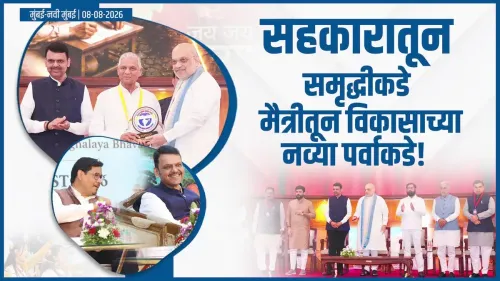
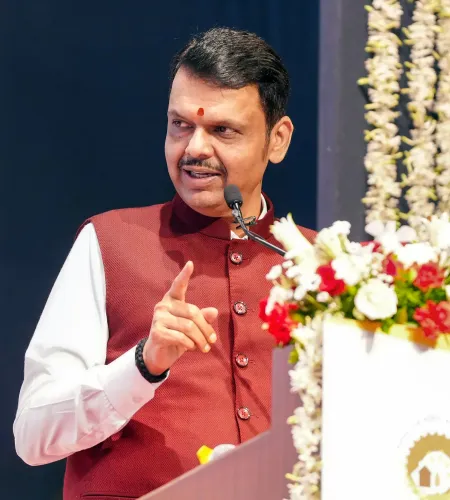
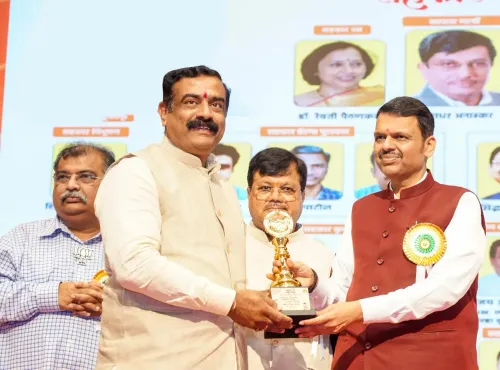
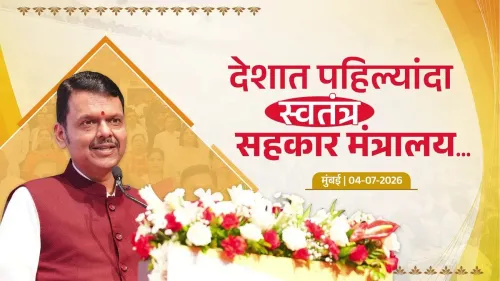
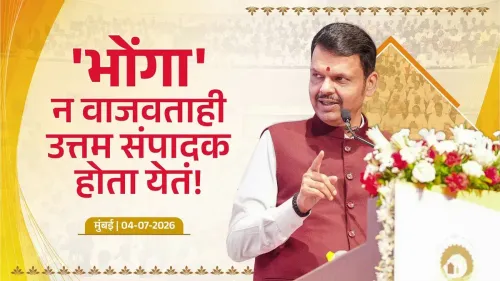
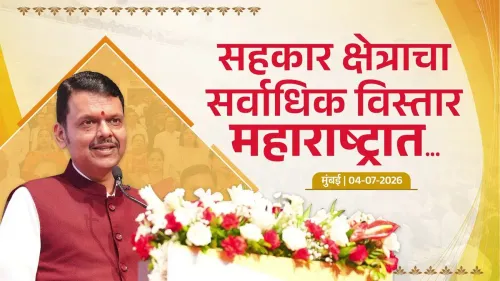
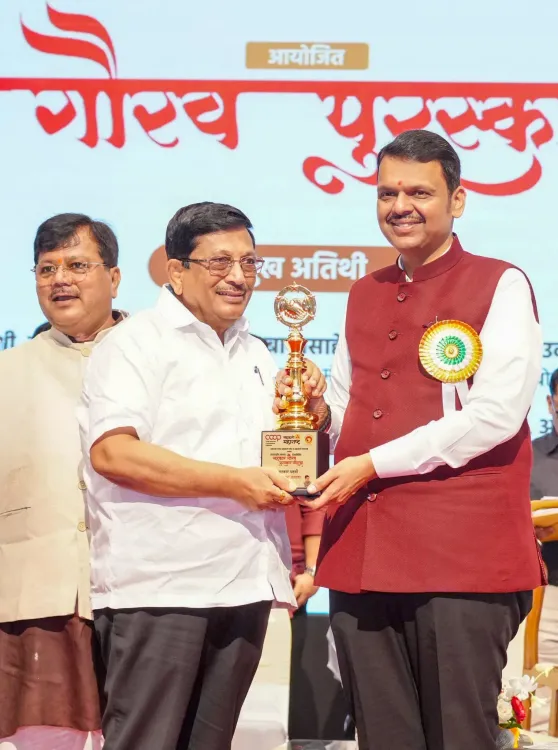
Chief Minister Devendra Fadnavis distributed the 'Sahakar Gaurav Awards' in Mumbai on 4 July 2026, the International Day of Cooperatives, at an event organised by Maharashtra Rajya Sahakari Sangh and Sahakari Maharashtra. Senior legislators and ministers attended, underscoring the political priority accorded to Maharashtra's extensive cooperative network.
Key Takeaways
The Sahakar Gaurav Awards were distributed by CM Devendra Fadnavis in Mumbai on 4 July 2026 .
The event was organised by the Maharashtra Rajya Sahakari Sangh and Sahakari Maharashtra on the occasion of the International Day of Cooperatives .
The International Day of Cooperatives is observed on the first Saturday of July, as declared by the UN General Assembly in 1992 .
Assembly Speaker Rahul Narwekar , two cabinet ministers, a minister of state, multiple MLCs and MLAs attended the ceremony.
Maharashtra has one of India's largest cooperative networks, with roots in the sector dating to the 1960s , covering sugar, dairy and rural credit.
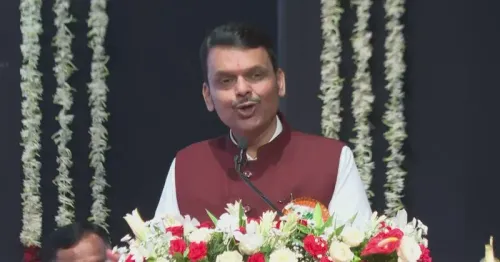
The Chief Minister's Office of Maharashtra announced on 4 July 2026 that Chief Minister Devendra Fadnavis distributed the 'Sahakar Gaurav Awards' in Mumbai, honouring outstanding cooperative societies on the occasion of the International Day of Cooperatives. The event was organised jointly by the Maharashtra Rajya Sahakari Sangh and Sahakari Maharashtra.
Context
The International Day of Cooperatives is observed every year on the first Saturday of July, a schedule established by the United Nations General Assembly in 1992 to highlight the role of cooperatives in economic and social development. The Sahakar Gaurav Awards — whose name translates to 'Cooperative Pride Awards' — serve as the state's formal mechanism for recognising exemplary cooperative institutions and individuals across Maharashtra.
The ceremony drew a broad cross-section of the state's legislative and executive leadership. Assembly Speaker Adv. Rahul Narwekar, Minister Mangal Prabhat Lodha, Minister Uday Samant, Minister of State Dr. Pankaj Bhoyar, MLC Pravin Darekar, MLC Prasad Lad, MLC Chitra Wagh, MLC Sanjay Bhende, MLA Ravindra Chavan, MLA Dr. Rahul Awade, and MLA Dr. Vinay Kore were among the dignitaries present.
Policy Backdrop
Maharashtra maintains one of India's largest and most institutionally entrenched cooperative networks, spanning sugar, dairy, rural credit and urban housing sectors. The state's engagement with cooperative federations dates to the 1960s, when apex bodies such as the Maharashtra Rajya Sahakari Sangh were established to consolidate and promote cooperative principles across the state's diverse agrarian economy.
The Maharashtra Rajya Sahakari Sangh functions as the apex federation for cooperative societies across the state, providing institutional support, training and advocacy. Events such as the Sahakar Gaurav Awards are part of a recurring pattern of public acknowledgment that successive state governments have used to sustain participation and morale within the cooperative sector.
Stakeholders and Impact
The primary beneficiaries of cooperative strengthening efforts in Maharashtra are rural farmers, dairy producers and members of credit cooperatives, who collectively depend on the sector for access to institutional finance, market linkages and input supply. Recognition events of this nature are designed to incentivise best practices and draw attention to high-performing cooperative institutions.
The presence of the Chief Minister alongside the Legislative Assembly Speaker and multiple cabinet ministers signals that cooperative governance remains a cross-cutting administrative priority rather than a narrow departmental concern. The sector's political salience in Maharashtra is rooted in its demographic reach — cooperatives touch millions of households, particularly in the state's rural districts.
What's Next
Observers of Maharashtra's cooperative sector will watch upcoming state budget sessions and notifications from the Cooperation Department for any new scheme launches, funding allocations or regulatory changes that may follow from the renewed public attention on the sector. The government's continued high-level engagement with cooperative bodies on internationally recognised occasions suggests that institutional support for the sector is likely to remain a feature of the state's governance agenda in the months ahead.
Point of View
The Legislative Assembly Speaker and several cabinet ministers at a cooperative awards ceremony reflects the enduring political weight of the cooperative sector in Maharashtra's governance calculus. With millions of rural households linked to sugar, dairy and credit cooperatives, no ruling dispensation in the state can afford to be seen as indifferent to the sector. By anchoring the event to an internationally recognised observance, the government also signals an intent to align state cooperative policy with global development frameworks. The pattern of annual recognition events, while ceremonial in form, serves a substantive function: sustaining institutional buy-in from cooperative leaders whose networks extend deep into Maharashtra's electoral geography.
NationPress
2 Oct 2026
Frequently Asked Questions
What are the Sahakar Gaurav Awards in Maharashtra?
The Sahakar Gaurav Awards, meaning 'Cooperative Pride Awards', are state-level honours distributed by the Maharashtra government to recognise outstanding cooperative societies and individuals, typically on the occasion of the International Day of Cooperatives.
When is the International Day of Cooperatives observed?
The International Day of Cooperatives is observed on the first Saturday of July each year, a schedule established by the United Nations General Assembly in 1992 to promote awareness of the cooperative movement worldwide.
Who distributed the Sahakar Gaurav Awards in 2026?
Chief Minister Devendra Fadnavis distributed the Sahakar Gaurav Awards at a ceremony in Mumbai on 4 July 2026, organised by the Maharashtra Rajya Sahakari Sangh and Sahakari Maharashtra.
What is the Maharashtra Rajya Sahakari Sangh?
The Maharashtra Rajya Sahakari Sangh is the apex federation representing cooperative societies across Maharashtra, providing institutional support and promoting cooperative principles across the state's agricultural, dairy and credit sectors.
Why are cooperatives important in Maharashtra?
Maharashtra has one of India's largest cooperative networks, particularly in sugar, dairy and rural credit, with roots dating to the 1960s. The sector directly affects millions of rural farming households and remains a significant factor in the state's economy and politics.