CM Fadnavis Inks MoU for Tasar Silk Push in Gadchiroli
Synopsis
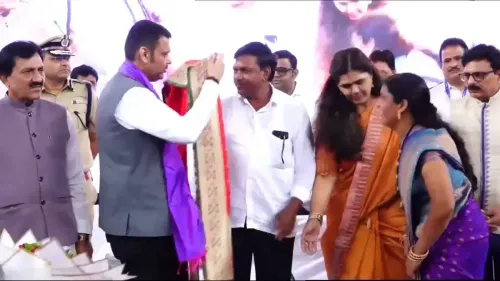
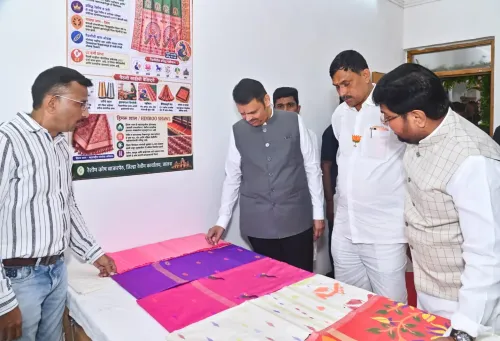
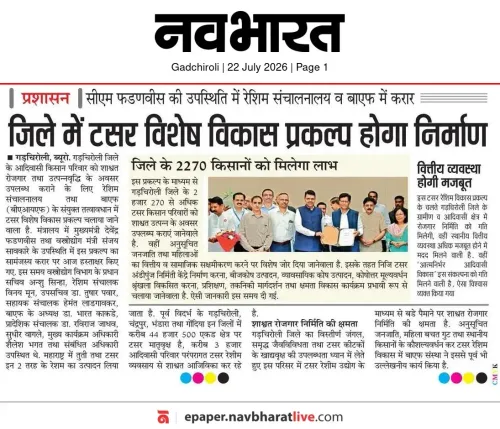
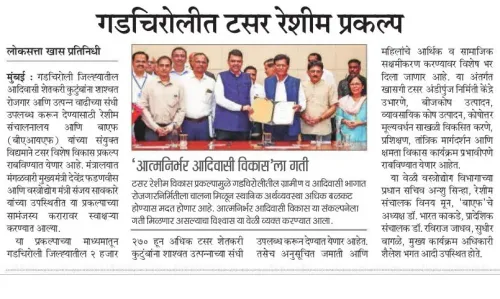
Chief Minister Devendra Fadnavis presided over an MoU between Maharashtra's Directorate of Sericulture and BAIF Institute on 21 July 2026, formalising a framework to expand tasar silk enterprises in Gadchiroli through technology transfer and scheme convergence for tribal and forest-dependent communities.
Key Takeaways
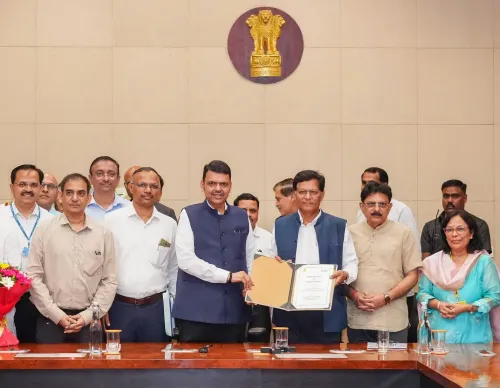
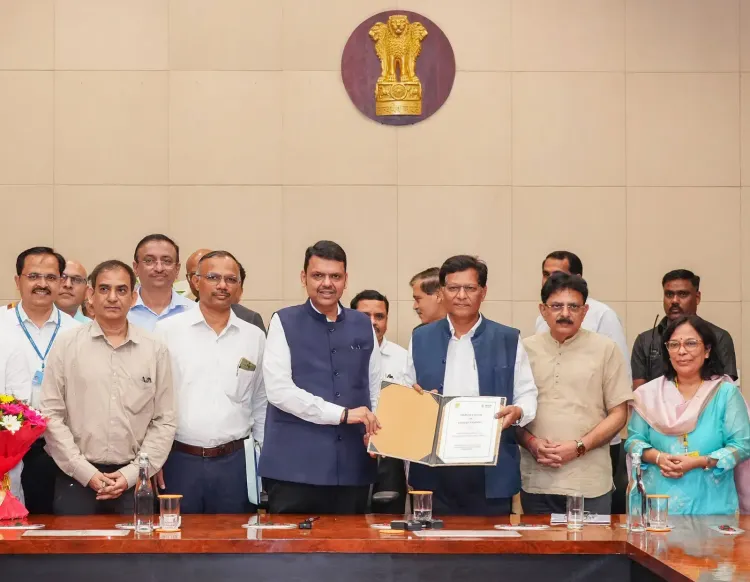
CM Devendra Fadnavis presided over the MoU signing between Maharashtra's Directorate of Sericulture and BAIF Institute on 21 July 2026 .
The agreement targets tasar silk enterprise development in Gadchiroli through appropriate technology transfer under the Special Tasar Sericulture Development Programme .
Primary beneficiaries are tribal and forest-dependent communities in Gadchiroli district.
The MoU establishes a unified framework for planning, implementation, technical support, monitoring and scheme convergence at district level.
Minister Sanjay Sawkare and BAIF Managing Director Dr.
Bharat Kakade were present at the signing ceremony.
The partnership follows a broader state pattern of using public-NGO MoUs to formalise tribal livelihood delivery in forested Scheduled Area districts.
The Chief Minister's Office of Maharashtra announced on Tuesday, 21 July 2026 that Chief Minister Devendra Fadnavis presided over the signing of a Memorandum of Understanding between the Government of Maharashtra (Directorate of Sericulture, Department of Textiles) and the BAIF Institute for Sustainable Livelihoods and Development, aimed at expanding tasar sericulture enterprises in Gadchiroli district to benefit tribal and forest-dependent communities.
Context
The MoU, signed in the presence of Minister Sanjay Sawkare and BAIF Managing Director Dr. Bharat Kakade, formalises a strategic partnership under the Special Tasar Sericulture Development Programme. The agreement covers physical and financial planning, actual implementation, coordination, technical support, monitoring, and convergence of schemes and funding for tasar silk development in the district.
Tasar silk is produced from silkworms that feed on forest trees such as arjun and asan, making Gadchiroli — a heavily forested eastern Maharashtra district with a large tribal population — a natural fit for the programme. The CMO described the partnership as a mechanism for 'appropriate technology transfer' to scale up tasar enterprises at the district level.
Policy Backdrop
Maharashtra's Directorate of Sericulture under the Department of Textiles has run state silk-production and enterprise-development schemes since at least the early 2000s, with tribal income supplementation as a core objective. The latest MoU reflects a wider pattern across central and eastern Indian states of using formal agreements with established non-governmental organisations to bring structured technology transfer and monitoring into Scheduled Area programmes.
BAIF Institute for Sustainable Livelihoods and Development is a nationally recognised non-profit with a long track record of working on sustainable rural livelihoods, agriculture, and natural resource management with tribal communities across India. Its involvement is expected to bring implementation capacity and technical expertise that state departments typically find difficult to deploy at village level.
These partnerships typically combine central and state textile-sector allocations with tribal welfare funding streams to create supplementary incomes while reducing dependence on forest extraction — an approach that aligns with both livelihood and conservation goals.
Stakeholders and Impact
The primary beneficiaries identified in the MoU are tribal and forest-dependent communities in Gadchiroli district. Tasar sericulture offers these households a structured, technology-backed income source that draws on existing forest resources without requiring large capital investment or land ownership.
The agreement's framework for scheme convergence and funding coordination is significant: it allows multiple state and central government funding streams — textile, tribal development, and forest-sector budgets — to be channelled into a single implementation architecture, reducing duplication and improving accountability. Minister Sanjay Sawkare and Dr. Bharat Kakade were among the dignitaries who witnessed the exchange.
What's Next
The immediate focus will be on operationalising the framework — establishing physical targets, identifying beneficiary households, and deploying BAIF's technical teams in Gadchiroli. Progress will likely be tracked through state textile and tribal development budget documents in subsequent years.
If the Gadchiroli pilot demonstrates measurable gains in household income and silk output, it could serve as a template for replication in other forested, tribal-majority districts of Maharashtra and potentially influence how the state structures similar public-NGO partnerships in the textiles sector going forward.
Point of View
Monitored public-NGO delivery frameworks in its most challenging districts. Gadchiroli, long associated with security concerns and development deficits, is being repositioned as a site for sustainable forest-based enterprise — a politically visible shift that also serves the state's broader textile-sector ambitions. The choice of BAIF, with its credibility among donor agencies and tribal communities alike, lends the programme implementation legitimacy that a purely departmental effort might struggle to achieve. How quickly physical targets and beneficiary coverage materialise will determine whether this MoU translates into durable income gains or remains a framework on paper.
NationPress
20 Oct 2026
Frequently Asked Questions
What is the MoU signed by CM Devendra Fadnavis about?
The MoU is between the Government of Maharashtra's Directorate of Sericulture and BAIF Institute for Sustainable Livelihoods and Development. It establishes a framework to promote tasar silk enterprises in Gadchiroli through technology transfer and coordinated funding under the Special Tasar Sericulture Development Programme.
Who will benefit from the tasar sericulture MoU in Gadchiroli?
Tribal and forest-dependent communities in Gadchiroli district are the primary beneficiaries. The programme aims to provide them with sustainable, technology-backed income through tasar silk cultivation without requiring large capital investment.
What is BAIF Institute for Sustainable Livelihoods and Development?
BAIF is a well-known Indian non-profit organisation with decades of experience working on sustainable rural livelihoods, agriculture, and natural resource management with tribal communities across India.
What is the Special Tasar Sericulture Development Programme?
It is a state scheme that supports tasar silk cultivation and enterprise development in forest areas to generate incomes for tribal households. Tasar silk is produced from silkworms that feed on forest trees, making forested districts like Gadchiroli suitable for the programme.
What does the MoU framework cover?
The MoU covers physical and financial planning, actual implementation, coordination, technical support, monitoring, and convergence of multiple government schemes and funding streams for the Tasar Sericulture Development Programme in Gadchiroli.