CM Fadnavis flags MoU with BAIF to uplift Gadchiroli silk farmers
Synopsis
Maharashtra CM Devendra Fadnavis announced an MoU with the BAIF Institute for Sustainable Livelihoods and Development to transfer sericulture technology to Tasar silk farmers in Gadchiroli, aiming to build sustainable incomes for tribal and forest-dependent communities in the district.
Key Takeaways
Maharashtra CM Devendra Fadnavis highlighted an MoU with the BAIF Institute for Sustainable Livelihoods and Development focused on Gadchiroli .
The agreement targets Tasar silk farmers through technology transfer to improve livelihoods for tribal and forest-dependent families .
The initiative is anchored in the state's broader policy lineage including the Vanbandhu Kalyan Yojana (2014) and the National Rural Livelihood Mission framework.
The Maharashtra Textile Department (@MahaTextile) has been identified as the nodal state agency for coordination.
Gadchiroli, a Schedule V tribal district in eastern Maharashtra, is being positioned as a model of inclusive, people-centric growth.
Roll-out milestones — including training batches and cocoon production figures — will be the key indicators of programme success.
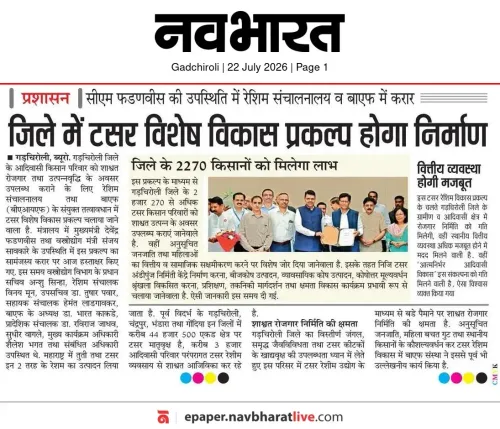
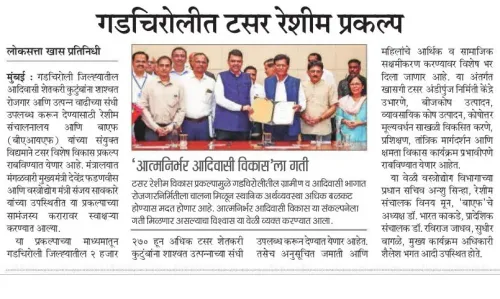
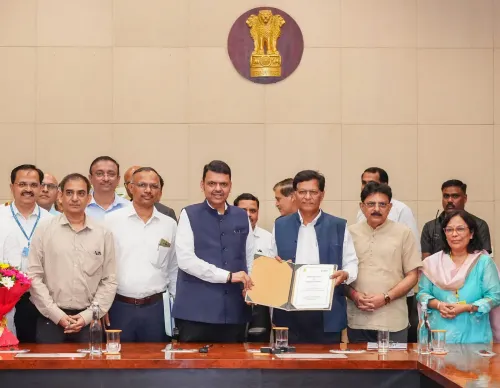
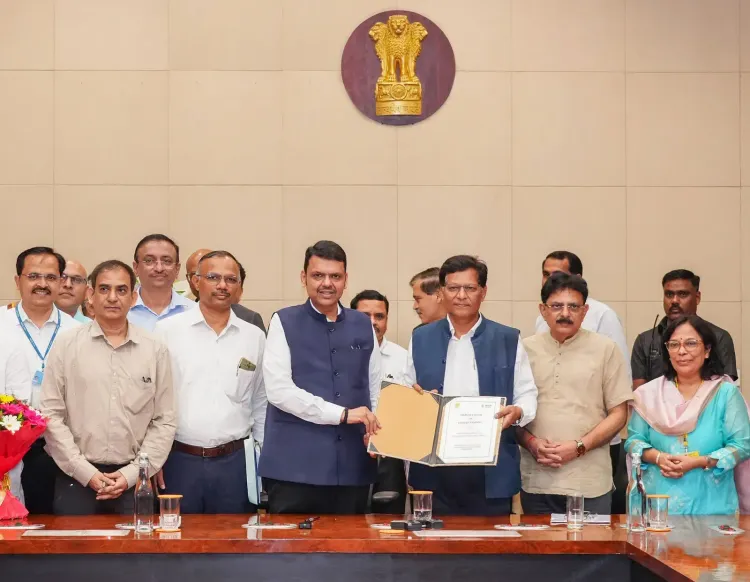
Maharashtra Chief Minister Devendra Fadnavis on Tuesday, 21 July 2026, highlighted a memorandum of understanding signed between the state and the BAIF Institute for Sustainable Livelihoods and Development, calling it a significant step toward empowering Tasar silk farmers in Gadchiroli — the tribal-majority district in eastern Maharashtra that has long been a focus of the state's inclusive development push.
Context
Gadchiroli is one of Maharashtra's most forested and historically underserved districts, home to a large tribal population whose livelihoods are closely tied to forest produce. The district has in recent years been repositioned by successive state governments as a site of transformation, with investments in infrastructure, health, and livelihood programmes aimed at reducing out-migration and building local economic resilience.
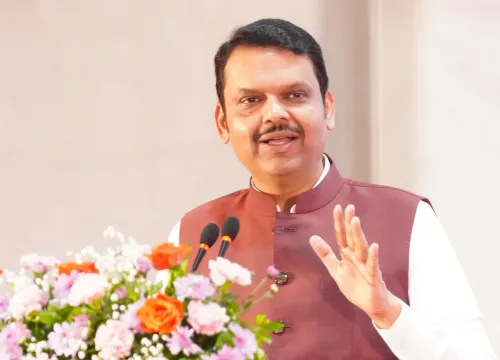
Fadnavis, posting on X and tagging @MahaTextile (the Maharashtra Textile Department), described the MoU as reinforcing 'the commitment to ensuring that the benefits of development reach the last mile, making Gadchiroli a model of inclusive, sustainable and people-centric growth.'
Policy Backdrop
The partnership with BAIF — a non-profit with deep expertise in sericulture, sustainable agriculture, and tribal livelihood programmes — centres on technology transfer to Tasar silk farmers. Tasar silk, produced from silkworms that feed on forest trees, is a traditional occupation among tribal communities in central and eastern India and carries both cultural and economic significance.
Maharashtra has promoted sericulture under tribal sub-plans and the National Rural Livelihood Mission framework since the mid-2010s. The broader architecture for such interventions was laid by the Vanbandhu Kalyan Yojana (2014), which provided a dedicated channel for infrastructure and livelihood spending in Schedule V districts — a category that includes Gadchiroli. The BAIF MoU fits within this lineage of NGO-state partnerships designed to bring technical know-how and market linkages into remote areas where government capacity alone is limited.
The Maharashtra Textile Department, which has been tagged in the post, is the nodal agency responsible for promoting textile value chains including sericulture and handloom activities across the state.
Stakeholders and Impact
The primary beneficiaries of the initiative are Tasar silk farmers and the broader community of tribal and forest-dependent families in Gadchiroli. By channelling technology transfer through an established institution like BAIF, the state aims to improve cocoon quality, yields, and ultimately incomes — reducing the economic vulnerability that has historically made such communities susceptible to migration and, in some areas, to recruitment by left-wing extremist groups.
Maharashtra's strategy of using NGO partnerships to extend services into remote tribal districts mirrors similar approaches in sericulture and non-timber forest produce across central and eastern India. The model seeks to combine conservation with economic inclusion — preserving forest ecosystems while creating sustainable incomes from them.
What's Next
Observers will watch for the roll-out milestones of the BAIF MoU, including the launch of training batches for farmers and early cocoon production figures from Gadchiroli. If the initiative demonstrates measurable gains, it could serve as a template for replication in other tribal districts, a possibility that may surface during the next state budget cycle. The involvement of @MahaTextile signals that the textile department is expected to play an active coordination role in the programme's implementation. The broader test will be whether technology transfer translates into sustained income gains for families at the last mile — the benchmark Fadnavis has publicly set for this initiative.
Point of View
Gadchiroli is a high-visibility test case — a district where development optics and security imperatives converge, making visible progress especially valuable. Anchoring the initiative in sericulture is strategically sound, as Tasar silk ties forest conservation to income generation, giving the programme a dual narrative of ecology and empowerment. The real measure will come at implementation: whether technology transfer produces verifiable income gains or remains a well-intentioned MoU on paper.
NationPress
20 Oct 2026
Frequently Asked Questions
What is the BAIF MoU signed for Gadchiroli about?
The MoU between the Maharashtra government and the BAIF Institute for Sustainable Livelihoods and Development focuses on transferring sericulture technology to Tasar silk farmers in Gadchiroli, aiming to improve incomes for tribal and forest-dependent communities.
What is Tasar silk and why is it important for Gadchiroli?
Tasar silk is produced from silkworms that feed on forest trees and is a traditional occupation among tribal communities in central and eastern India. In Gadchiroli, it represents a sustainable, forest-based livelihood that can reduce out-migration and build local economic resilience.
What is the Vanbandhu Kalyan Yojana and how does it relate to this initiative?
The Vanbandhu Kalyan Yojana, launched in 2014, is a central scheme providing dedicated infrastructure and livelihood funding for Schedule V tribal districts like Gadchiroli. The BAIF MoU fits within this broader policy framework for tribal welfare in Maharashtra.
Which Maharashtra government department is responsible for the Gadchiroli silk programme?
The Maharashtra Textile Department, tagged as @MahaTextile in CM Fadnavis's post, is the nodal state agency coordinating the sericulture and handloom value chain initiative in Gadchiroli.
How is Gadchiroli being developed under CM Devendra Fadnavis?
Under Fadnavis, Gadchiroli is being targeted through NGO partnerships, technology transfer programmes, and tribal sub-plan investments aimed at creating sustainable forest-based livelihoods and positioning the district as a model of inclusive growth.