Farmers back ethanol programme, demand farmer-centric policy: AIKCC meets Chouhan
Synopsis
Farmers from across India gave conditional backing to the ethanol programme at a high-level meeting with Agriculture Minister Shivraj Singh Chouhan — but drew a hard line: direct, remunerative prices must reach cultivators, not companies or middlemen. The AIKCC's endorsement, spanning leaders from eight-plus states, is a significant political signal for India's 20% blending ambition.
Key Takeaways
An AIKCC delegation met Agriculture Minister Shivraj Singh Chouhan in New Delhi on 4 August to discuss the ethanol programme.
Farm leaders from Punjab, Haryana, Maharashtra, UP, MP, Telangana, Tamil Nadu and other states attended.
Farmers expressed support for ethanol but demanded a farmer-centric policy with remunerative prices paid directly to cultivators.
Minister Chouhan assured that the largest share of ethanol programme benefits would go to farmers, not intermediaries.
The government committed to reviewing MSP and feedstock price balance for maize, sugarcane, and rice .
Chouhan pledged to counter social media misinformation about ethanol with scientific studies and fact-based dialogue.
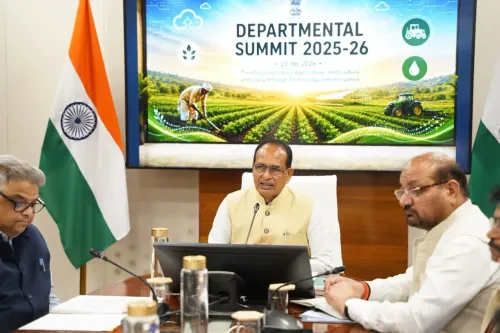
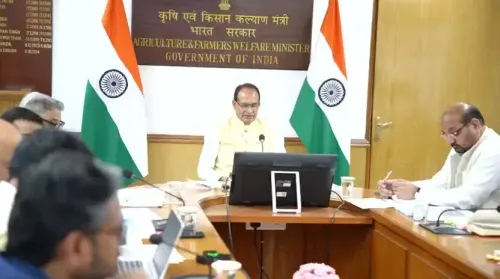
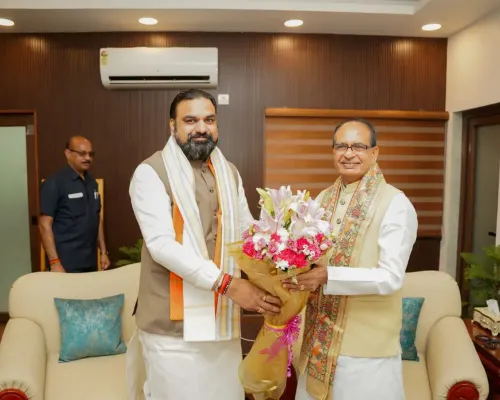
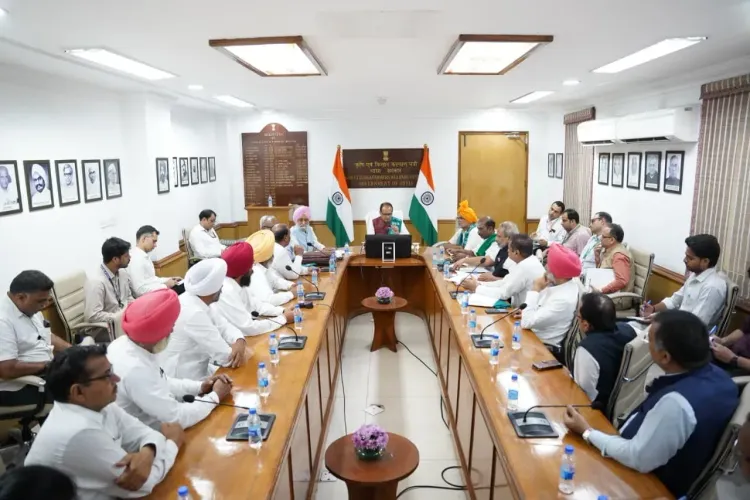
A delegation of the All India Kisan Coordination Committee (AIKCC) met Union Agriculture and Farmers' Welfare Minister Shivraj Singh Chouhan in New Delhi on Tuesday, 4 August, expressing strong support for the ethanol programme while insisting that its policy must be 'farmer-centric' and that remunerative prices must be paid directly to cultivators. The meeting brought together farm leaders from Punjab, Haryana, Maharashtra, Uttar Pradesh, Madhya Pradesh, Telangana, Tamil Nadu, and several other states.
Key Demands from Farm Leaders
The AIKCC delegation made clear that while farmers broadly welcome ethanol as a new revenue stream, the programme's benefits must not be captured by companies or middlemen. According to an official statement from the meeting, farm leaders said: 'With ethanol production, the produce of the field will not remain limited only to the mandi, but will reach petrol pumps and the energy market. This will create a new and strong market for farmers.'
Leaders specifically highlighted that when ethanol is produced from sugarcane, maize, rice, and other feedstocks, farmers gain access to more buyers, reducing the twin problems of crop spoilage and storage. However, they stressed that remunerative prices — regardless of the feedstock — must be guaranteed and paid directly to the farmer.
What the Government Assured
Minister Chouhan assured the delegation that the Centre is committed to ensuring the ethanol programme's benefits flow through the entire supply chain — 'from the field to the fuel tank' — with the largest share directed toward farmers. He added that ethanol would simultaneously strengthen India's energy security and improve farm incomes, according to the official statement.
Chouhan also committed to reviewing the policy to maintain a balance between prices and demand for maize, rice, sugarcane, and other feedstocks. He said decisions would be taken 'only from the point of view of farmer interest, especially the benefit of maize farmers.'
Countering Misinformation
Several farm leaders at the meeting flagged that misinformation is being circulated on social media and certain platforms, alleging that ethanol damages vehicles or harms farmers' interests. Minister Chouhan responded that the government would use scientific studies and technical reports to counter this 'negative narrative' and would carry forward 'fact-based dialogue' in partnership with farmers.
Notably, the meeting also covered broader issues including Minimum Support Price (MSP), agricultural markets, and the National Agriculture Policy, though ethanol remained the central theme.
What This Means for India's Ethanol Roadmap
India has been aggressively scaling its ethanol blending programme — targeting 20% blending in petrol by 2025 — and farm-sector buy-in is critical to sustaining feedstock supply. The AIKCC's conditional endorsement signals that farmers see the opportunity but remain watchful about price and policy design. Chouhan underlined that Krishi Bhavan's doors remain open to farmers, describing them as 'partners in policy' rather than opponents of the government. How the Centre structures pricing and procurement mechanisms in the coming months will determine whether this political goodwill translates into ground-level participation.
Point of View
The Centre needed visible farmer endorsement — and it got conditional approval, not a blank cheque. The key unresolved question is pricing architecture: who sets the feedstock price, how often, and with what enforcement mechanism. Until that is codified, farmer support remains fragile. Notably, the meeting's agenda included MSP and the National Agriculture Policy — two issues where farmer-government tensions remain unresolved — suggesting the ethanol conversation cannot be isolated from the broader farm income debate.
NationPress
19 Sept 2026
Frequently Asked Questions
What did the AIKCC delegation discuss with Agriculture Minister Chouhan?
The AIKCC delegation met Minister Shivraj Singh Chouhan on 4 August in New Delhi to discuss the ethanol programme, farmer income, MSP, agricultural markets, and the National Agriculture Policy. Ethanol was the primary focus, with farmers backing the programme on the condition that pricing is farmer-centric and direct.
Why do farmers support the ethanol programme?
Farmers support ethanol because it creates an additional market for crops like sugarcane, maize, and rice beyond the traditional mandi system, reaching petrol pumps and the energy sector. This is expected to increase buyer competition, reduce crop spoilage, and improve farm incomes.
What is the government's assurance on ethanol pricing for farmers?
Minister Chouhan assured that the Centre's position is that ethanol programme benefits must flow from 'field to fuel tank,' with the largest share going to farmers. He also committed to reviewing feedstock pricing policy to maintain a balance between supply and demand for maize, rice, and sugarcane.
What misinformation about ethanol is being spread, according to the meeting?
Several farmer leaders at the meeting flagged that some social media platforms and channels are spreading claims that ethanol damages vehicles or harms farmers' interests. Minister Chouhan said the government would counter this narrative using scientific studies and technical reports.
Which states were represented at the AIKCC meeting?
Farm leaders from Punjab, Haryana, Maharashtra, Uttar Pradesh, Madhya Pradesh, Telangana, Tamil Nadu, and other parts of the country were part of the AIKCC delegation that met Minister Chouhan on 4 August.