Shivraj Singh Chouhan pushes Eastern states on pulses, oilseeds at Kharif Zonal Meet
Synopsis
At a five-state zonal conference in Bhubaneswar, Agriculture Minister Shivraj Singh Chouhan flagged India's persistent gap in pulse and oilseed self-reliance, called for integrated farming to multiply farmer incomes, and announced a nationwide 'Khet Bachao Abhiyan' from 1 June — signalling a sharper Centre push on soil health and diversification ahead of the kharif sowing season.
Key Takeaways
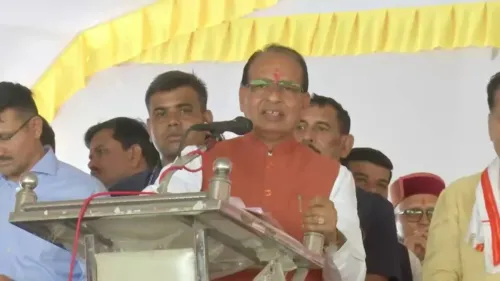
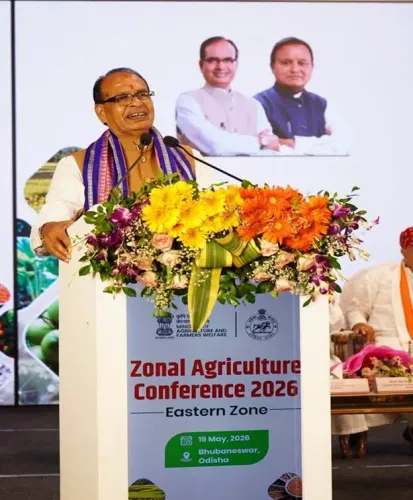
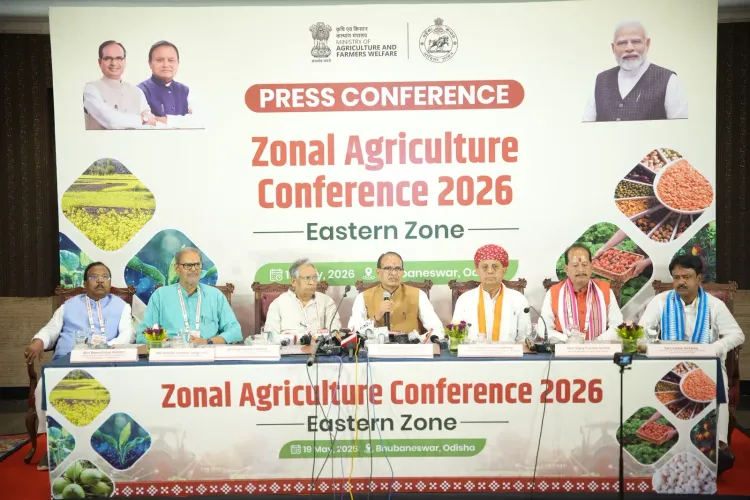
Union Agriculture Minister Shivraj Singh Chouhan addressed the Eastern Regional Kharif Agriculture Zonal Conference in Bhubaneswar on 19 May 2025 .
He urged Odisha, Bihar, Chhattisgarh, Jharkhand , and West Bengal to prioritise pulses and oilseeds during the kharif season.
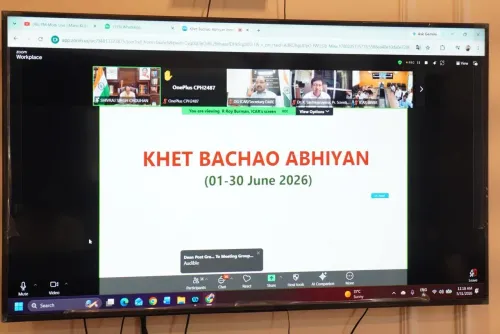
A nationwide 'Khet Bachao Abhiyan' will run from 1 June to 15 June , focusing on balanced fertiliser use and soil health.
Integrated farming models combining grains, horticulture, animal husbandry, fisheries, and agroforestry were highlighted as key to raising farmer incomes.
India remains self-sufficient in paddy and wheat but has yet to achieve self-reliance in pulses and oilseeds , Chouhan noted.
This was the third in the series of regional zonal conferences, replacing a single national-level agriculture meeting.
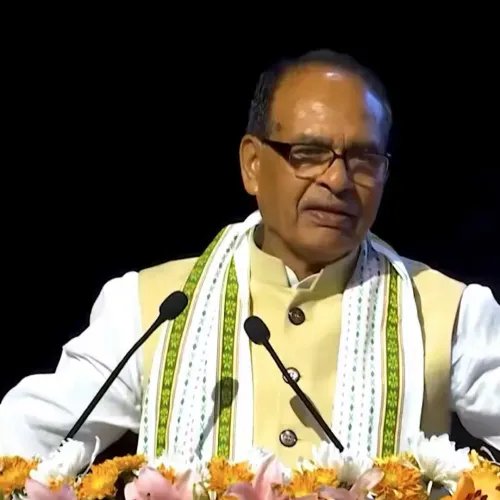
Union Agriculture Minister Shivraj Singh Chouhan on Tuesday, 19 May called on the eastern states to prioritise pulses, oilseeds, and crop diversification during the ongoing kharif season, with a specific focus on the welfare of small and marginal farmers. His remarks came at the Eastern Regional Kharif Agriculture Zonal Conference in Bhubaneswar, Odisha.
Key Developments at the Zonal Conference
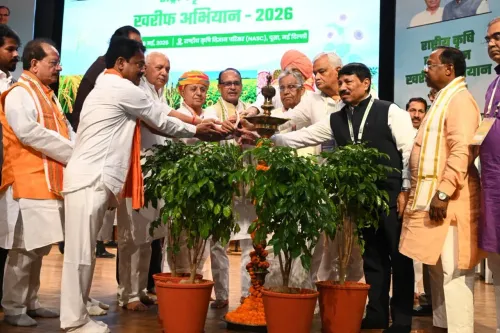
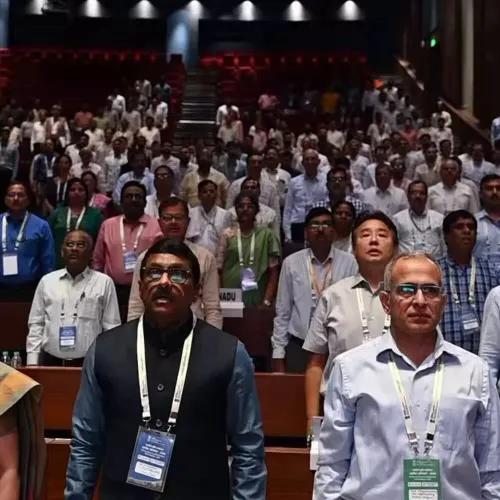
Chouhan told reporters that a subject-specific, region-specific, and state-specific roadmap — developed jointly by the Centre and the states — could take Eastern India's agriculture sector to new heights. The conference, the third in the zonal series, brought together five states: Odisha, Bihar, Chhattisgarh, Jharkhand, and West Bengal.
The minister noted that while India holds a strong position in paddy and wheat production, self-reliance in pulses and oilseeds remains an unfinished agenda. He described crop diversification not merely as expanding acreage under other crops, but as a means of actively protecting soil health — pointing out that repeated cultivation of the same crop depletes soil fertility, whereas pulses restore it through nitrogen fixation.
'Khet Bachao Abhiyan' to Launch June 1
Chouhan announced that a nationwide 'Khet Bachao Abhiyan' will be launched from 1 June to 15 June, centred on balanced fertiliser use, soil health awareness, and farmer education. He cautioned that excessive fertiliser application — without understanding soil conditions — raises input costs while damaging soil, crop quality, and human health.
This campaign signals a broader policy push toward sustainable input management, at a time when India's fertiliser subsidy bill remains a significant fiscal pressure point.
Integrated Farming and Multiple Income Streams
The minister placed special emphasis on integrated farming as a model suited to the needs of small and marginal farmers across Eastern India. Models combining grains with horticulture, vegetables, animal husbandry, fisheries, beekeeping, and agroforestry have been developed to create multiple income streams. Chouhan said integrated farming holds 'immense potential' to substantially raise farmer incomes in the region.
He also highlighted the introduction of a Farmer ID system, alongside discussions on natural farming, horticulture, and agricultural infrastructure as part of the conference agenda.
Government's Six-Point Agriculture Strategy
Framing the conference within the broader policy context, Chouhan outlined the Centre's six-point agriculture strategy under Prime Minister Narendra Modi: increasing production and productivity, reducing input costs, ensuring remunerative prices, providing compensation for crop losses, and accelerating agricultural diversification. He said the government's three overarching goals in agriculture are food security, nutritional availability, and stronger farmer livelihoods.
The minister also defended the zonal conference format — replacing a single national conference — as more effective for addressing India's diverse agro-climatic conditions and state-specific challenges. With the kharif sowing window approaching, the decisions taken at Bhubaneswar are expected to shape ground-level implementation across the five eastern states in the coming weeks.
Point of View
And the nitrogen-fixation argument for diversification is agronomically sound. But the gap between zonal conference rhetoric and kharif-season behaviour on the ground is wide. Minimum support price signals, procurement reliability, and input availability will determine whether farmers in Jharkhand or Chhattisgarh actually shift away from paddy — not a June campaign. The 'Khet Bachao Abhiyan' is a useful awareness initiative, but soil health improvement is a multi-year commitment that awareness drives alone cannot deliver.
NationPress
22 Sept 2026
Frequently Asked Questions
What was the Eastern Regional Kharif Agriculture Zonal Conference about?
The Eastern Regional Kharif Agriculture Zonal Conference, held in Bhubaneswar on 19 May 2025, brought together five eastern states — Odisha, Bihar, Chhattisgarh, Jharkhand, and West Bengal — to discuss food security, crop diversification, integrated farming, and farmer income strategies for the kharif season. It was the third such regional conference in the series.
What is the 'Khet Bachao Abhiyan' announced by Shivraj Singh Chouhan?
'Khet Bachao Abhiyan' is a nationwide campaign announced by Agriculture Minister Shivraj Singh Chouhan, scheduled to run from 1 June to 15 June 2025. It will focus on promoting balanced fertiliser use, raising soil health awareness, and educating farmers on sustainable input practices.
Why is the Centre pushing eastern states toward pulses and oilseeds?
India is self-sufficient in paddy and wheat but still depends on imports to meet domestic demand for pulses and oilseeds. The Centre is urging eastern states to diversify crops during the kharif season to reduce this import dependence, while also noting that pulses improve soil fertility through nitrogen fixation.
How does integrated farming help small and marginal farmers?
Integrated farming combines food grains with horticulture, vegetables, animal husbandry, fisheries, beekeeping, and agroforestry, creating multiple income sources from the same landholding. Agriculture Minister Chouhan said this model has significant potential to raise incomes for small and marginal farmers in Eastern India.
Why are zonal conferences held instead of a single national agriculture conference?
India's diverse agro-climatic conditions, soil characteristics, and state-specific agricultural challenges make a single national conference less effective, according to Chouhan. The zonal format allows for more detailed, region-specific deliberations and concrete decisions tailored to each group of states.