Karnataka Farmers Slam Wildlife Sterilization Plan; Forest Minister Under Fire
Synopsis
Farmers in Karnataka are vocally opposing the Forest Minister's proposal to sterilise wild animals as a means to address human-wildlife conflict, deeming it unscientific and inhumane. The controversy highlights deep concerns over wildlife management strategies in the state.
Key Takeaways
Farmers in Karnataka are protesting against wildlife sterilisation proposals.
They argue that such measures are unscientific and cruel.
Protests have included highway blockades and public statements from the Sugarcane Farmers’ Association.
Concerns have been raised about the motivations behind the proposal.
The Supreme Court has opposed similar sterilisation efforts in the past.
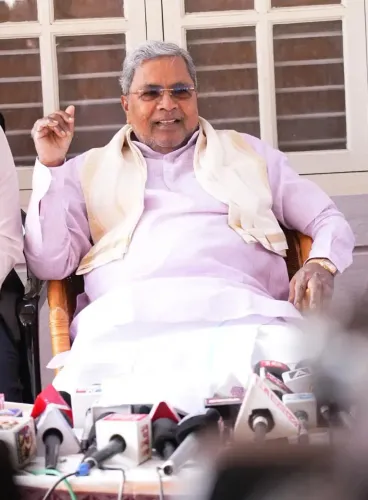
Chamarajanagar (Karnataka), April 13 (NationPress) The Karnataka Forest Minister is facing backlash from the state Sugarcane Farmers’ Association regarding his recent proposal aimed at mitigating human-animal conflicts through sterilisation and Animal Birth Control measures, similar to initiatives being considered by other states across India.
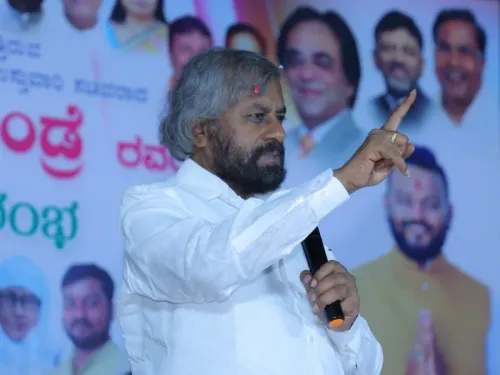
President of the state Sugarcane Farmers’ Association, Bhagyaraj, has been vocal against the government's contemplation of sterilising wild animals to reduce the escalating human-wildlife clashes, targeting Forest Minister Eshwar Khandre specifically.
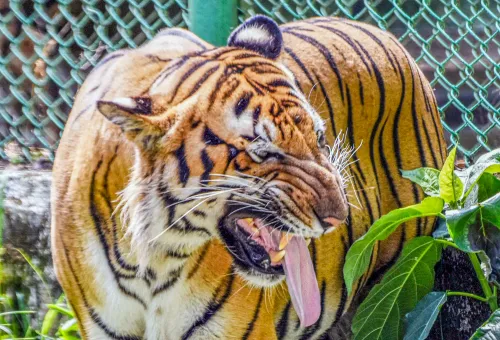
Minister Khandre's suggestion involves employing sterilisation or immuno-contraception strategies on certain wild animal species to manage the growing human-wildlife conflict and their increasing populations.
Introduced in April 2026, this proposal aims to safeguard human lives amid a surge in deadly encounters with elephants and leopards, while also striving for a humane approach to animal population management.
Previously, farmers protested by blocking the Mysuru–Chamarajanagar highway, expressing their indignation towards Minister Khandre. They have labelled wildlife sterilisation as both unscientific and inhumane.
Additionally, they criticized the expert who proposed this idea to the Forest Minister, suggesting that he requires psychiatric evaluation.
Farmers expressed further frustration towards MLAs Puttarangashetty and A.R. Krishnamurthy for prioritising their lobbying for Cabinet positions in Delhi over the welfare of the state.
During a press conference in Chamarajanagar, Bhagyaraj articulated strong dissent against the wildlife sterilisation proposal, alleging that it represents a covert plan to eliminate wild animals.
“This is an initiative to exterminate wild animals and profit from their skins and tusks. The underlying motive is clear: they aim to exploit the forests,” Bhagyaraj asserted.
He emphasized that the Supreme Court has voiced opposition to the sterilisation of wild animals, denouncing the minister’s remarks as inappropriate and urging for their retraction.
He reiterated that the expert behind this proposal should indeed seek psychiatric help.
“The ongoing human-wildlife conflicts in this region stem from governmental failures. The sterilisation of wild animals is an untenable solution. The Forest Minister has made an unscientific choice. He ought to retract his statement and apologize,” he insisted.
He further suggested that sterilisation should instead target corrupt individuals within the state legislature, Parliament, and officials who have illicitly amassed wealth, as well as those obstructing the youth from engaging in politics.
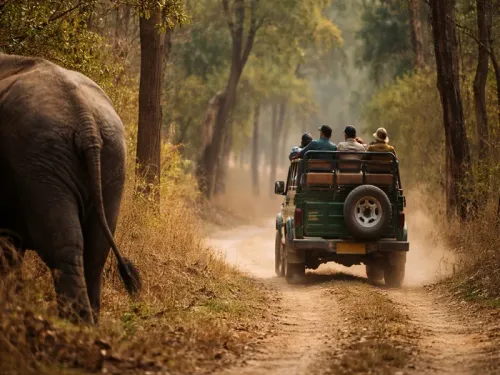
He pointed out that the animals residing in forests are fundamentally peaceful and are being disturbed by tourism-related activities such as safaris, jungle lodges, homestays, and resorts, leading them to encroach upon human habitats.
Moreover, he noted that during the summer months, due to a scarcity of drinking water, wild animals frequently leave their forest homes. He warned that sterilisation trials in other states have resulted in tragic outcomes.
Point of View
With significant pushback from agricultural communities against proposed sterilisation measures. This highlights the tension between conservation efforts and local agricultural interests, suggesting a need for more inclusive dialogue in policy-making.
NationPress
10 Oct 2026
Frequently Asked Questions
What is the proposal from the Karnataka Forest Minister?
The proposal suggests sterilising wild animals to reduce human-wildlife conflict and manage their populations humanely.
Why are farmers opposing this proposal?
Farmers argue that the sterilisation of wild animals is unscientific, inhumane, and could lead to exploitation of wildlife.
What have farmers done in response to the proposal?
Farmers have staged protests, including blocking highways, to voice their opposition to the Forest Minister's proposal.
What do farmers believe should be the focus instead?
Farmers suggest that the focus should be on addressing corruption and the real causes of human-wildlife conflict rather than sterilisation.
Has the Supreme Court commented on the sterilisation of wild animals?
Yes, the Supreme Court has expressed opposition to the sterilisation of wild animals, adding to the controversy surrounding the proposal.