Fine paddy prices surge 20% in Tamil Nadu as Samba season ends
Synopsis
Tamil Nadu's fine paddy market is under serious strain — Akshaya Ponni has hit ₹42/kg wholesale, retail rice is crossing ₹70/kg, and the usual lifeline from Karnataka has been cut short by poor rainfall and Tungabhadra dam disruptions. With the Samba season ending and no fresh crop imminent, prices are unlikely to ease soon.
Key Takeaways
Fine paddy prices in Tamil Nadu have risen more than 20 per cent above normal levels as the Samba season ends.
Akshaya Ponni paddy is trading at ₹37–₹42 per kilogram wholesale, up from around ₹36/kg earlier in the season.
Retail fine and superfine rice varieties are selling at more than ₹60–₹70 per kilogram in several markets.
Poor rainfall and disruptions near the Tungabhadra dam have reportedly curtailed paddy output in Karnataka , a key supplier to Tamil Nadu.
Agricultural trade bodies are urging greater local cultivation of high-demand fine paddy varieties to reduce cross-border dependency.
Price relief is unlikely before fresh crop arrives from the next cultivation cycle, according to market observers.
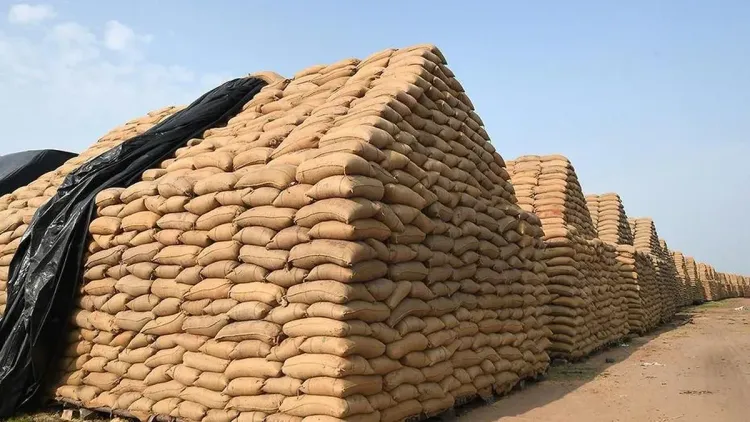
Fine paddy prices in Tamil Nadu have surged by more than 20 per cent above normal levels as the Samba and late cultivation season draws to a close, squeezing supplies and raising alarm among traders, millers, and consumers across the state. The spike, most acute in Madurai and surrounding wholesale markets, reflects a convergence of seasonal tightness and cross-border supply disruptions.
Price Levels Across Key Varieties
Akshaya Ponni, the most sought-after fine paddy variety in the state, is now trading between ₹37 and ₹42 per kilogram in wholesale markets — up from around ₹36 per kilogram earlier in the season, marking one of the steepest climbs in recent years. Other popular fine varieties, including RNR and Sree, are fetching ₹37 to ₹38 per kilogram. The ripple effect has reached retail shelves, where fine and superfine rice varieties are now selling at more than ₹60 to ₹70 per kilogram in several markets. By-products such as husk and bran have also recorded a moderate price uptick, adding to overall cost pressures across the milling chain.
Why Supply Has Tightened
The primary driver is the natural winding down of the marketing season, with fresh paddy arrivals declining sharply as stocks from the Samba harvest run thin. Paddy transactions are now taking place in a staggered manner, industry sources indicate, as raw material availability becomes increasingly erratic.
Compounding the seasonal factor is a structural dependency: Tamil Nadu relies heavily on Karnataka for a significant portion of its fine paddy requirement. This year, however, poor rainfall and disruptions linked to works in the Tungabhadra dam region have reportedly affected paddy cultivation in Karnataka, reducing the volumes reaching Tamil Nadu and intensifying demand pressures in local markets.
What Agricultural Trade Bodies Are Saying
Agricultural trade bodies have flagged the need to incentivise farmers to cultivate more high-demand fine paddy varieties locally. They argue that expanding domestic production would reduce Tamil Nadu's dependence on neighbouring states, improve supply chain stability, and help moderate price volatility in future seasons. The call echoes longstanding concerns about the state's structural supply gap in premium grain categories.
Outlook: When Could Prices Ease
Market stakeholders believe the situation could improve if catchment areas receive adequate rainfall in the coming months and cultivation expands during the next season. Until then, the combination of depleted Samba stocks and constrained Karnataka supplies is expected to keep fine paddy prices elevated. The next meaningful correction, according to observers, is unlikely before the arrival of fresh crop from the upcoming cultivation cycle.
Point of View
Whether from erratic monsoons or dam-related works, lands directly on Tamil consumers' plates. That this pattern recurs without a credible local production strategy in place points to a policy gap that trade body statements alone cannot fill. Until Tamil Nadu meaningfully incentivises fine paddy cultivation within its own borders, every Samba season close will carry the same inflationary risk.
NationPress
24 Jun 2026
Frequently Asked Questions
Why have fine paddy prices risen in Tamil Nadu?
Fine paddy prices in Tamil Nadu have risen by more than 20 per cent above normal levels because the Samba and late cultivation season is ending, reducing fresh arrivals in wholesale markets. Disruptions to paddy cultivation in Karnataka — a key supplier — due to poor rainfall and Tungabhadra dam works have further tightened supply.
What is the current price of Akshaya Ponni paddy?
Akshaya Ponni paddy is currently selling between ₹37 and ₹42 per kilogram in wholesale markets in Tamil Nadu, up from around ₹36 per kilogram earlier in the season. This is one of the steepest increases the variety has recorded in recent years.
How much has retail rice price increased in Tamil Nadu?
Fine and superfine rice varieties are now retailing at more than ₹60 to ₹70 per kilogram in several Tamil Nadu markets, reflecting the sharp rise in raw paddy procurement costs at the wholesale level.
Why does Tamil Nadu depend on Karnataka for fine paddy?
Tamil Nadu's local production of fine paddy varieties does not meet state demand, making it structurally dependent on neighbouring Karnataka for a significant share of its supply. Agricultural trade bodies have called for policies to expand local cultivation of high-demand varieties to reduce this dependency.
When are fine paddy prices expected to ease?
Market stakeholders believe prices could moderate if catchment areas receive adequate rainfall and cultivation expands in the next season. However, a meaningful correction is not expected until fresh crop from the upcoming cycle arrives in markets.