Fine rice prices surge in Tamil Nadu amid supply squeeze and rising costs
Synopsis
Tamil Nadu's fine and superfine rice prices have jumped sharply — up to ₹230 per 26-kg bag in just 10 days — as record government procurement of 64.2 lakh metric tonnes squeezed open-market supply, higher paddy rates fed through to retail, and urban demand for premium varieties kept climbing. Industry insists there is no shortage, but relief is pencilled in only for January, when the Samba crop arrives.
Key Takeaways
Superfine rice in Tamil Nadu now costs ₹1,950 per 26-kg bag , up from ₹1,720 — a ₹230 jump in 10 days .
Fine rice has risen from ₹1,500 to ₹1,640 per bag; common rice varieties have also seen seasonal increases of ₹50–₹90 per bag .
Government paddy procurement hit a record 64.2 lakh metric tonnes in 2025-26 , up from 47.98 lakh MT the previous year, reducing private market availability.
Paddy procurement prices were raised from 1 September to ₹2,750 per quintal (fine) and ₹2,600 per quintal (common), feeding into retail costs.
Industry dismisses fears of a shortage or prices reaching ₹100 per kg ; supply relief expected after the Samba harvest in January 2026 .
Tamil Nadu consumes about 91 lakh metric tonnes of rice annually, producing 70–75 lakh MT locally and importing the rest from other states.
Consumers across Tamil Nadu are facing steeper household bills as fine and superfine rice prices climb sharply, driven by higher production costs, reduced inter-state arrivals, and growing urban demand for premium varieties. The spike comes during the seasonal gap between the Kuruvai harvest and the incoming Samba crop, a period historically associated with tighter rice supplies.
How Much Prices Have Risen
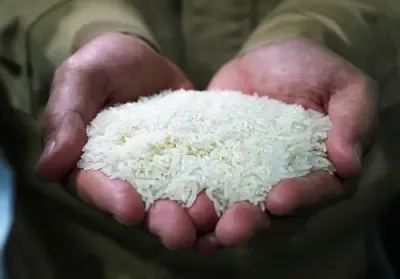
Superfine rice is now retailing at ₹1,950 for a 26-kg bag, up from ₹1,720 — a jump of ₹230 in just 10 days. A similar bag of fine rice has moved from ₹1,500 to ₹1,640, a ₹140 increase. Even common rice varieties — which typically see seasonal price rises of ₹50 to ₹90 per bag between October and December — have not been spared this cycle. Notably, premium varieties have registered increases well above normal seasonal levels.
In regional markets, Madurai, Thanjavur, and Tiruchy have recorded similar trends. Superfine paddy is trading at around ₹45 per kg, while processed rice sells at approximately ₹75 per kg. A 26-kg bag of Ponni rice in Thanjavur has risen by ₹300.
What Is Driving the Price Pressure
Multiple cost-side factors have converged to push prices upward. Paddy procurement prices were revised upward from 1 September, with fine varieties now fetching ₹2,750 per quintal and common varieties ₹2,600 per quintal. These higher government-mandated rates have fed directly into market prices.
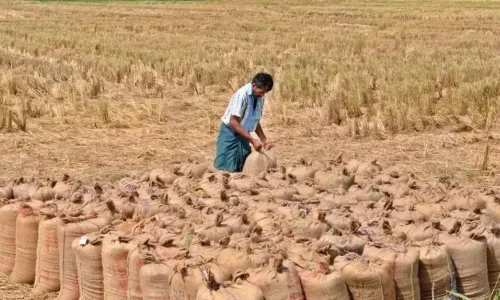
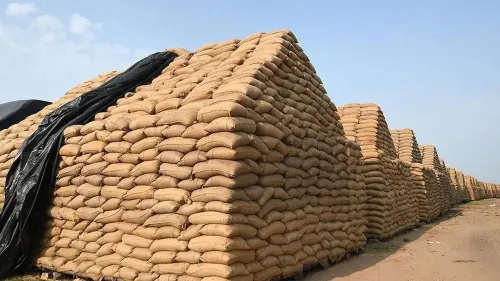
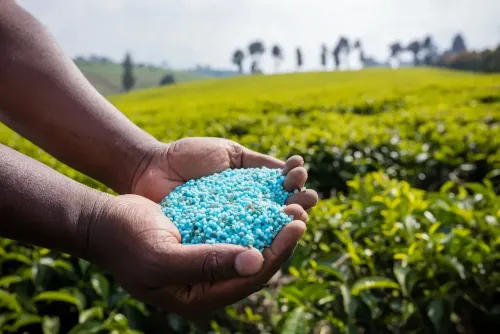
Simultaneously, government paddy procurement reached a record 64.2 lakh metric tonnes during the 2025-26 season, compared with 47.98 lakh metric tonnes in 2024-25. The surge in procurement through direct procurement centres left fewer stocks available for private trade, tightening open-market supply. Compounding this, higher fertiliser and fuel costs, along with persistent agricultural labour shortages, have elevated the cost of paddy cultivation and milling.
On the demand side, expanding consumption of fine rice in Chennai, Madurai, Coimbatore, and other urban centres has added further pressure.
Industry's Position on Shortage Fears
Despite the run-up in prices, industry representatives maintain that Tamil Nadu faces no structural rice shortage. Predictions of prices reaching ₹100 per kg by December or January have been dismissed by trade bodies as alarmist. Supplies are expected to ease once the Samba crop harvest concludes in January, and prices are reportedly showing signs of stabilisation ahead of that arrival.
The industry has also separately called for the withdrawal of the five per cent GST on prepacked and prelabelled rice bags weighing up to 25 kg, arguing the levy adds to consumer costs on a staple food.
Tamil Nadu's Rice Supply Position
The state requires approximately 91 lakh metric tonnes of rice annually. Local production meets 70 lakh to 75 lakh tonnes of that demand, with the remaining balance sourced from other states. The current squeeze is partly attributed to lower arrivals from these inter-state sources, adding to the pressure during the pre-Samba lull.
With the Samba harvest expected to reach markets by January 2026, the next two to three months will be the most acute phase of this price cycle, and the pace of supply normalisation will be closely watched by traders and households alike.
Point of View
Designed to protect growers, are now pinching the urban consumers who depend on affordable rice. The five per cent GST on prepacked rice bags is a separate but compounding irritant that the Centre has so far declined to remove. Unless inter-state arrivals pick up meaningfully before January, the burden on lower-income households in Chennai and tier-2 cities will only deepen through the festive and winter months.
NationPress
12 Oct 2026
Frequently Asked Questions
Why are rice prices rising in Tamil Nadu right now?
Rice prices in Tamil Nadu have risen due to a combination of higher government paddy procurement rates effective from 1 September, record procurement volumes of 64.2 lakh metric tonnes that reduced private market stocks, increased fertiliser and fuel costs, agricultural labour shortages, and growing urban demand for fine and superfine varieties. The timing coincides with the seasonal gap between the Kuruvai and Samba harvests, when supplies are structurally tighter.
By how much have fine and superfine rice prices increased?
Superfine rice has risen by ₹230 to ₹1,950 per 26-kg bag from ₹1,720, while fine rice has gone from ₹1,500 to ₹1,640 per bag — both within the span of roughly 10 days. In Thanjavur, a 26-kg bag of Ponni rice has become costlier by ₹300.
Is there a rice shortage in Tamil Nadu?
Industry representatives say there is no rice shortage in Tamil Nadu. They have dismissed predictions that prices could reach ₹100 per kg by December or January as unfounded, and expect supplies to normalise once the Samba harvest concludes in January 2026.
When will rice prices come down in Tamil Nadu?
Supplies are expected to improve after the Samba crop harvest concludes in January 2026, which should ease prices. Prices have reportedly begun to stabilise ahead of that arrival, though the October–December window remains the most acute phase of the current price cycle.
What is the impact of government procurement on rice prices?
Higher government paddy procurement rates — raised to ₹2,750 per quintal for fine varieties and ₹2,600 for common varieties from 1 September — encouraged more farmers to sell through direct procurement centres. This drove procurement to a record 64.2 lakh metric tonnes in 2025-26, leaving fewer stocks for private buyers and tightening open-market supply.