Are There Irregularities in Organic Crop Certification? BJP MP Calls for Fire Safety Fund for Historical Markets
Synopsis
In a gripping session at Parliament, Madhya Pradesh MPs raised alarming issues about fire safety in historic markets and corruption in organic crop certification. With calls for a dedicated safety fund and stronger regulations, these discussions reveal critical challenges facing India's cultural heritage and agricultural exports.
Key Takeaways
Historic Markets: Vulnerable to fire hazards.
Fire Safety Fund: Proposed to enhance safety measures.
Organic Certification: Allegations of corruption within APEDA.
Economic Impact: Fraudulent practices harm small traders.
Government Accountability: Calls for reforms and transparency.
New Delhi, Dec 16 (NationPress) In a significant session during Parliament's Zero Hour, two MPs from Madhya Pradesh raised urgent matters concerning the preservation of cultural heritage and the integrity of agricultural exports.
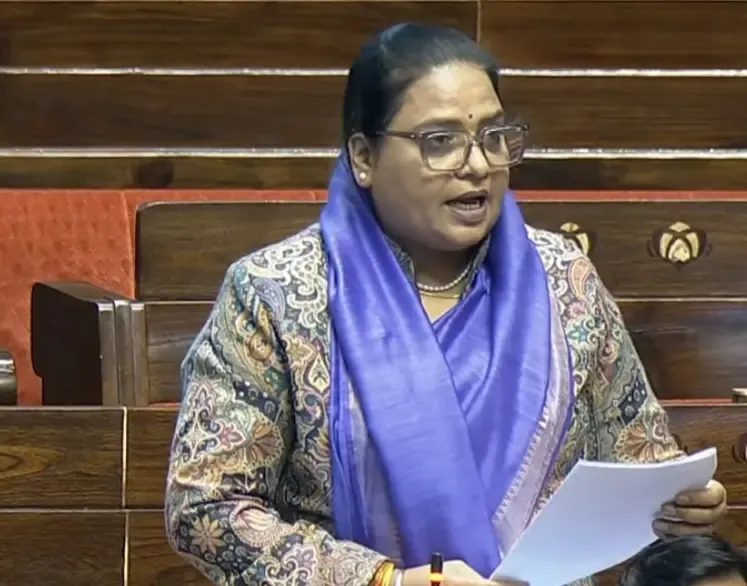
Rajya Sabha MP Kavita Patidar (BJP) from Indore spotlighted the fire hazards threatening India's historic marketplaces, referencing incidents in locations such as Varanasi, Delhi's Chandni Chowk, and Indore's Sarafa Bazaar.
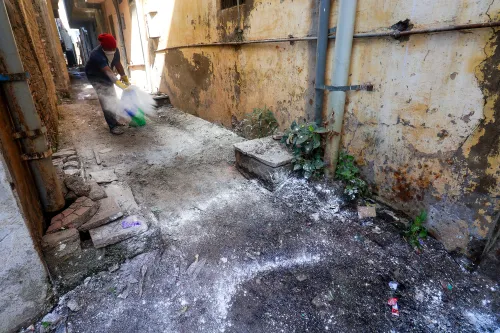
She pointed out that the presence of old wooden buildings and narrow passageways complicates effective firefighting efforts.
Patidar urged the creation of a dedicated 'Heritage Fire Safety Fund' and the implementation of advanced solutions, such as aerosol-based extinguishing systems, firefighting drones, specialized water tanks, and more stringent safety regulations. She argued that these markets not only represent India's cultural identity but are also crucial economic centers for small traders.
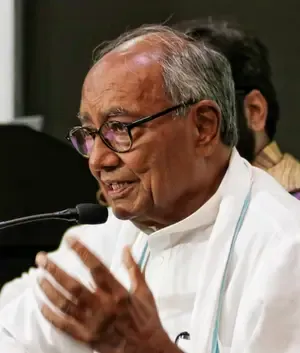
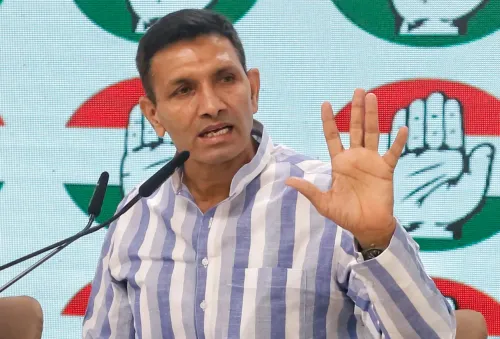
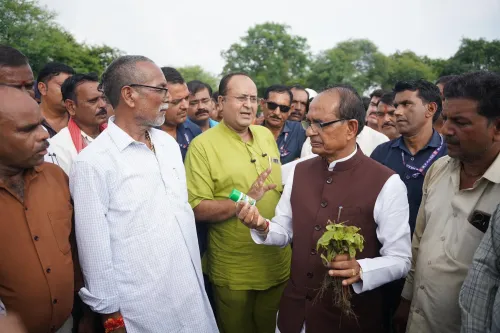
Meanwhile, in a different address, senior Congress leader and Rajya Sabha MP Digvijaya Singh accused the Agricultural and Processed Food Products Export Development Authority (APEDA) of rampant corruption regarding the organic certification process.
He alleged that fraudulent farmer groups are being set up without the awareness of legitimate farmers, enabling traders to misrepresent inorganic crops – particularly cotton from Madhya Pradesh's western Nimar region – as organic, selling them at inflated prices, sometimes up to four times higher, e.g., from Rs 3,000-4,000 per quintal to significantly higher amounts.
Singh recounted previous investigations where numerous grower groups were found to be bogus and highlighted that international buyers had previously blacklisted eleven Indian companies over similar fraudulent activities, tarnishing India's reputation.
He charged officials with using fake documentation and suggested delays in improving the traceability system (TraceNet 2.0) were to maintain these irregularities. Singh noted that Commerce Minister Piyush Goyal had previously acknowledged some of these concerns but insisted on more decisive action, including reforms in certification protocols and accountability for implicated parties.
He stated he had brought this matter to the Prime Minister's attention and once again called for intervention.
These discussions highlight the ongoing debates surrounding the safeguarding of heritage sites and the necessity for transparency in India's burgeoning organic export sector, which is crucial for promoting sustainable agriculture. No immediate government response was recorded during the session regarding these two critical issues.
Point of View
These discussions emphasize the dual challenge of preserving India's rich cultural heritage while ensuring the integrity of its agricultural exports. As the nation moves towards sustainable practices, it is crucial to address these concerns transparently, ensuring that both heritage and economic interests are safeguarded.
NationPress
9 Oct 2026
Frequently Asked Questions
What issues were raised by the MPs from Madhya Pradesh?
They highlighted fire safety concerns in historic markets and alleged corruption in organic crop certification.
What did Kavita Patidar propose for historic markets?
She called for the establishment of a 'Heritage Fire Safety Fund' and innovative firefighting solutions.
What allegations did Digvijaya Singh make regarding APEDA?
He accused APEDA of widespread fraud in the organic certification process, allowing traders to misrepresent inorganic crops as organic.
How have international buyers reacted to India's organic certification issues?
Eleven Indian companies have been banned by international buyers due to similar fraud allegations.
What action did Singh call for from the Prime Minister?
He urged the Prime Minister to intervene and implement reforms in the organic certification process.