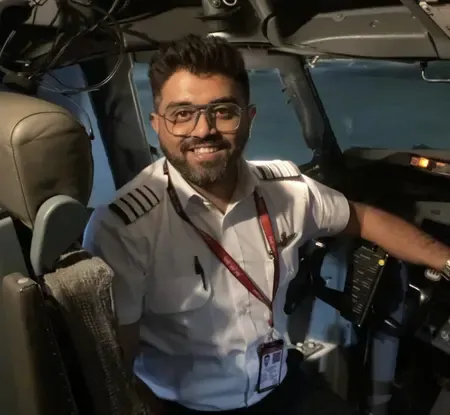
Flydubai attack: Aviation training covers external threats, not this — Capt Machchhar's colleague

Synopsis
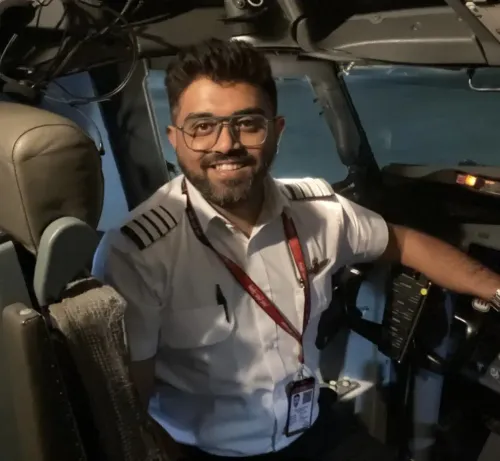
Captain Smit Machchhar had no playbook for what he faced — aviation's CRM training is built on crew coordination against external threats, not on fighting your own co-pilot with an axe. His former colleague Tina Goswami says his decision to open the cockpit door, made in seconds while injured and with the aircraft out of control, is what saved 170–180 lives and averted what she calls a potential geopolitical crisis.
Key Takeaways
Tina Goswami , a pilot with 25 years of experience, said Capt Smit Machchhar's training did not cover an internal cockpit threat — he faced it alone.
Standard aviation training, including CRM and simulator drills every six months, prepares crew to handle external emergencies as a team — not attacks from within.
Machchhar, flying for 17 years , used what pilots call the 'feeling of flight' to assess the situation and act while injured.
His split-second decision to open the cockpit door is credited with saving between 170 and 180 passengers on the flydubai flight.
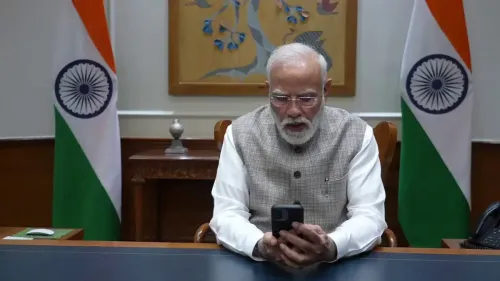
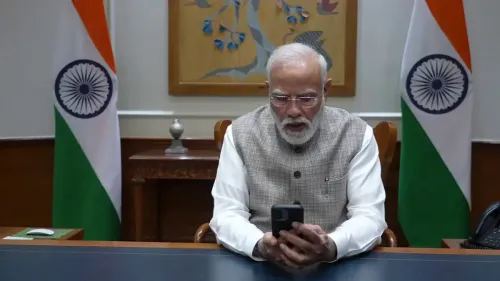
Machchhar reportedly discussed the incident in an interview with Israeli PM Benjamin Netanyahu ; Goswami said he 'averted plausible geopolitical tensions.'
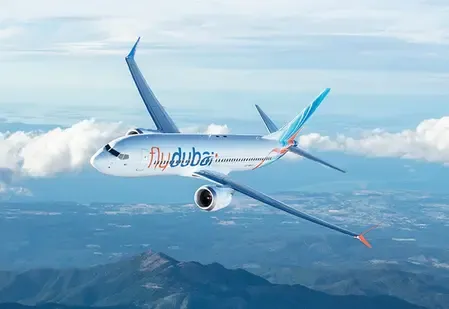
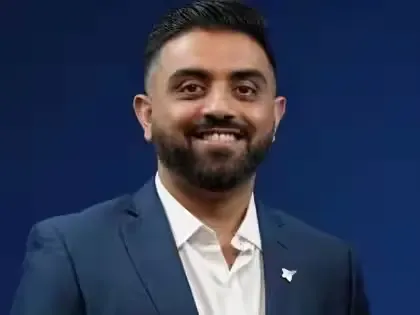
In the wake of an alleged attempted terror attack aboard a flydubai flight, Tina Goswami, a former colleague of Indian pilot Captain Smit Machchhar, said on Monday, 5 October that Machchhar's rapid thinking and presence of mind were extraordinary — because standard aviation training simply does not prepare crew for a threat from within the cockpit itself.
An Internal Threat No Training Covers
Goswami, a pilot with 25 years of flying experience, explained that every airline puts its crew through rigorous emergency preparedness. 'The first reaction was that we were all scared and wondering whether everyone was safe. This was not a normal incident. It was a very serious and unusual matter because, generally, as pilots, all the training we undergo and all the emergencies we prepare for depend on teamwork and coordination among the crew,' she said.
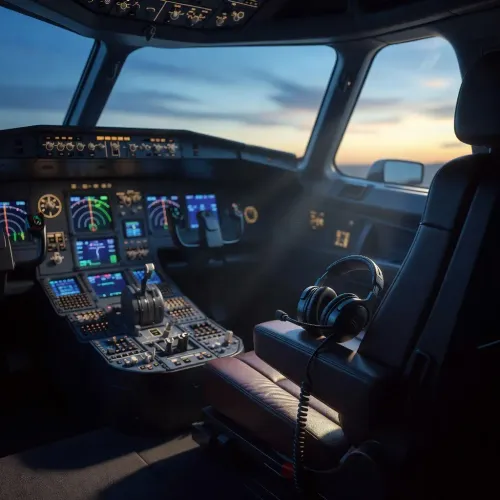
She noted the fundamental difference in this case: the danger did not come from outside the aircraft, but from the co-pilot seated beside Machchhar. Crew Resource Management (CRM) training, she said, teaches mutual respect and coordination — it does not prepare a captain to physically fight off a fellow crew member armed with an axe.
The 'Feeling of Flight' and a Split-Second Decision
Goswami credited Machchhar's 17 years of flying experience for his ability to assess the situation even while under attack. 'As he said, he has been flying for 17 years, so he can tell even with his eyes closed. We call this the feeling of flight,' she said. Experienced pilots, she explained, can detect whether an aircraft is descending, climbing, or behaving unusually — even when injured or disoriented.
According to Goswami, Machchhar quickly recognised that his only viable course of action was to open the cockpit door. 'He knew that, given the way he was injured and the way the aircraft was out of control, he would not be able to do anything. He realised very quickly that the only thing he could do was open the door, and only then could something happen,' she said.
Saving Lives — and Averting a Geopolitical Crisis
The flight reportedly carried between 170 and 180 passengers, all of whom landed safely after Machchhar's intervention. Goswami said the significance of the moment extended beyond the aircraft. 'He was able to avert plausible geopolitical tensions. Not only for the country, but he also brought laurels to the pilot community,' she said.
She also noted that Machchhar had spoken about the incident in an interview with Israeli Prime Minister Benjamin Netanyahu, during which he described using his last reserves of strength to open the cockpit door. 'Ultimately, saving even one person's life is a very big thing,' Goswami said.
A Deserved Hero, Says His Community
On Machchhar being widely hailed as a hero, Goswami was unequivocal. 'It was a big thing to achieve. The only thing we could see was that he was able to save 170-180 passengers, but it could have turned into something bigger, something worse,' she said. The praise from within the aviation community carries particular weight: those who fly professionally understand precisely what Machchhar overcame.
As investigations into the alleged attack continue, Machchhar's actions have prompted a wider conversation about whether aviation security protocols need to account for threats originating from within the flight deck itself.
Point of View
The protocols for a captain physically overpowering a co-pilot mid-flight do not formally exist — and arguably cannot, given that such a scenario undermines the very cooperative model aviation safety depends upon. Regulators and airlines will now face pressure to revisit cockpit access rules, psychological screening, and in-flight security options, even if this incident remains statistically rare.
NationPress
5 Oct 2026
Frequently Asked Questions
What happened on the flydubai flight involving Capt Smit Machchhar?
Captain Smit Machchhar, an Indian pilot, reportedly intervened to stop an alleged attempted terror attack when his co-pilot attacked him with an axe inside the cockpit of a flydubai flight. Despite being injured, Machchhar managed to open the cockpit door, enabling others to intervene and the flight to land safely with 170–180 passengers on board.
Why does Tina Goswami say aviation training did not prepare Machchhar for this?
Standard aviation training — including CRM and simulator sessions — is designed to handle external threats through crew coordination and teamwork. Goswami explained that when the threat comes from within the cockpit itself, a pilot is entirely on their own, with no protocol or trained response to fall back on.
What is CRM training and how often do pilots undergo it?
Crew Resource Management (CRM) training teaches pilots mutual respect, communication, and coordinated decision-making. According to Goswami, pilots undergo simulator training every six months and CRM and crew coordination training every year, in addition to initial airline training.
Why did Machchhar decide to open the cockpit door?
Goswami said Machchhar quickly assessed that, given his injuries and the aircraft being out of control, opening the cockpit door was the only action available to him that could save everyone on board. His 17 years of experience allowed him to make that call under extreme duress.
What broader impact is attributed to Capt Machchhar's actions?
Beyond saving 170–180 passengers, Goswami said Machchhar 'averted plausible geopolitical tensions,' suggesting the incident — had it gone differently — could have had consequences beyond the aircraft itself. He has since spoken about the event in an interview with Israeli Prime Minister Benjamin Netanyahu.