Gadkari Announces New National Highway Projects in Ladakh
Synopsis
Union Minister Nitin Gadkari announced new national highway projects in Ladakh on June 10, 2026, reinforcing the Centre's push for all-weather connectivity in the strategic high-altitude Union Territory under the Bharatmala and PM Gati Shakti frameworks.
Key Takeaways
Union Minister Nitin Gadkari announced new national highway projects in Ladakh on June 10, 2026 .
The announcement was made under the #PragatiKaHighway and #GatiShakti campaign tags, aligning the projects with the PM Gati Shakti National Master Plan .
Ladakh became a Union Territory in August 2019 , enabling direct central funding for infrastructure projects.
The Bharatmala Pariyojana (approved 2017) and PM Gati Shakti (launched October 2021) form the policy backbone for highway expansion in the region.
Road connectivity in Ladakh carries dual significance: civilian development for residents and tourism, and strategic mobility for defence forces along the borders with China and Pakistan.
Next steps include detailed project reports, environmental clearances, and the upcoming Union Budget allocation for NHAI and BRO works in the UT.
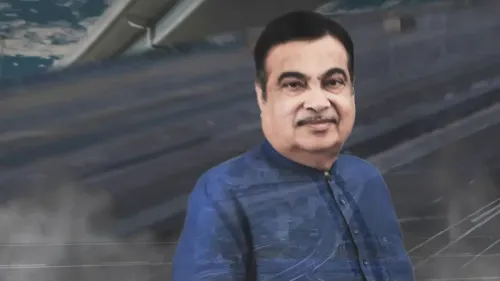
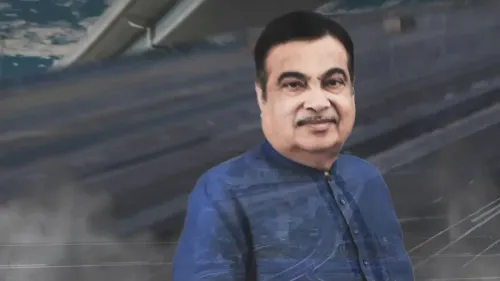
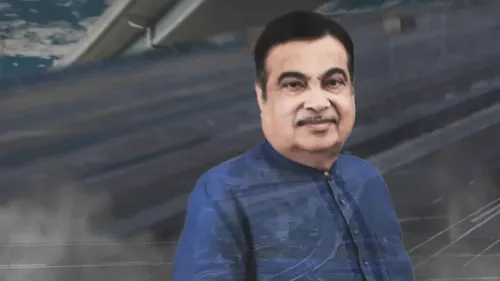
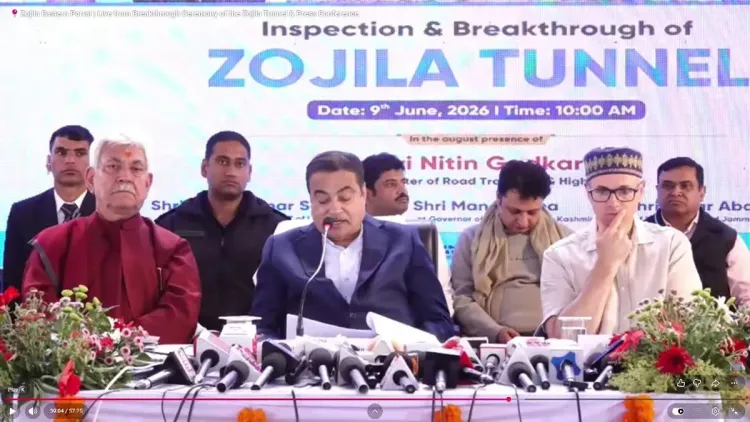
Union Road Transport and Highways Minister Nitin Gadkari on Wednesday, June 10, 2026, announced new national highway projects for the Union Territory of Ladakh, signalling a fresh push to expand road infrastructure in the strategically vital high-altitude region bordering China and Pakistan.
Context
Gadkari posted the announcement on X, tagging it under the hashtags #PragatiKaHighway (Highway of Progress), #GatiShakti, and #BuildingTheNation. The post, accompanied by a video, declared the announcement of new national highway projects in the Union Territory of Ladakh — a region that has seen accelerated infrastructure investment since its reorganisation as a Union Territory in August 2019.
Ladakh's status as a centrally administered Union Territory has enabled direct central government funding for road and infrastructure projects, bypassing earlier state-level administrative layers. The region's strategic importance — sharing borders with both China and Pakistan — has made all-weather road connectivity a priority for both the Ministry of Road Transport and the defence establishment.
Policy Backdrop
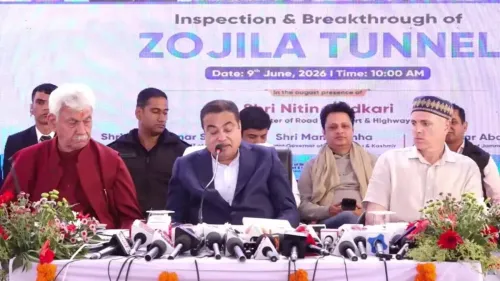
The announcement sits within the broader architecture of two flagship central programmes. Bharatmala Pariyojana, approved in 2017, specifically prioritised border and economic corridor roads, with Ladakh corridors such as the Leh-Manali axis and approaches to the Zojila tunnel forming key components of Phase-I. The programme is implemented primarily through the National Highways Authority of India (NHAI).
PM Gati Shakti, launched in October 2021, added a layer of coordinated multimodal planning, integrating highway development with railways, ports, and logistics networks under a single National Master Plan. Road projects in Ladakh announced under Gadkari's ministry now routinely reference Gati Shakti's integrated planning framework, as reflected in the hashtag used in the post.
The pace of project approvals in Ladakh has notably quickened after the 2020 Galwan Valley clashes, which underscored the need for rapid strategic mobility in the region. Coordination between the Ministry of Road Transport, the Border Roads Organisation (BRO), and the Defence Ministry has intensified since that inflection point.
Stakeholders and Impact
The primary beneficiaries of improved highway connectivity in Ladakh span three distinct groups. Residents of Ladakh, long dependent on seasonal road access through passes that close during winter, stand to gain from all-weather connectivity that reduces isolation and improves access to essential services and markets.
Defence forces stationed along the Line of Actual Control with China and the Line of Control with Pakistan require reliable, high-capacity roads for troop movement, logistics, and equipment deployment — making every new highway project in the region carry dual civilian-strategic significance. Tourism operators in Ladakh, whose livelihoods depend on visitor access to destinations such as Leh, Nubra Valley, and Pangong Lake, also benefit directly from improved road quality and reduced travel times.
What's Next
Detailed project reports, land acquisition timelines, and environmental clearances for the announced Ladakh corridors will be closely watched by infrastructure analysts and local stakeholders. High-altitude road construction in Ladakh presents significant engineering challenges, including extreme weather, fragile terrain, and short working seasons.
The next Union Budget allocation for NHAI and BRO works in the Union Territory will be a key indicator of how quickly the announced projects move from declaration to ground-level execution. With Gadkari's ministry having consistently expanded the national highway network over the past decade, the Ladakh announcements fit a pattern of using infrastructure investment as both a development and strategic signalling tool in India's border regions.
Point of View
Any infrastructure push in Ladakh carries an implicit strategic dimension that resonates beyond the transport ministry's usual constituency. The announcement also reinforces Gadkari's personal political brand as a doer-minister, with highway kilometres serving as a measurable metric ahead of future electoral cycles.
NationPress
26 Oct 2026
Frequently Asked Questions
What new highway projects did Gadkari announce for Ladakh?
On June 10, 2026, Union Minister Nitin Gadkari announced new national highway projects for Ladakh UT via a post on X; specific project details and funding figures were shared in an accompanying video, with full official documentation expected through NHAI and the Ministry of Road Transport.
Why is road infrastructure important for Ladakh?
Ladakh is a high-altitude Union Territory bordering China and Pakistan, making all-weather road connectivity critical for both civilian needs — including local access and tourism — and strategic defence mobility along the Line of Actual Control and Line of Control.
What is PM Gati Shakti and how does it relate to Ladakh highways?
PM Gati Shakti is a National Master Plan launched in October 2021 to coordinate infrastructure development across ministries, integrating highways with railways, ports, and logistics. Ladakh highway projects announced under this framework benefit from unified planning and faster inter-ministerial clearances.
What is Bharatmala Pariyojana and does it cover Ladakh?
Bharatmala Pariyojana is an umbrella highway development programme approved in 2017 that prioritises border and economic corridor roads. Ladakh corridors, including the Leh-Manali axis and Zojila tunnel approaches, are part of Bharatmala Phase-I.
Who is responsible for building national highways in Ladakh?
The National Highways Authority of India (NHAI) is the primary statutory body for national highway development, while the Border Roads Organisation (BRO) under the Defence Ministry handles many strategic roads in Ladakh, often working in coordination with the Ministry of Road Transport.