Gadkari Flags Transformative Road Push in Border Ladakh

Synopsis
Union Minister Nitin Gadkari on June 11, 2026 described road projects in border Ladakh as transformative steps addressing security, connectivity, tourism, and socio-economic development, invoking the PM Gati Shakti framework and tagging the Lieutenant Governor of Ladakh.
Key Takeaways
Union Minister Nitin Gadkari on June 11, 2026 publicly framed Ladakh road projects as multi-dimensional strategic interventions, not routine civil works.
The post invoked the PM Gati Shakti National Master Plan (launched 2021 ) as the policy backbone for integrated infrastructure delivery in Ladakh.
The Border Roads Organisation has been accelerating strategic highway construction near the Line of Actual Control since 2014 .
The Atal Tunnel under Rohtang Pass , inaugurated in 2020 , was a landmark step providing all-weather access to Ladakh from Himachal Pradesh.
Beneficiaries include Ladakhi residents , the Indian Army , and the tourism sector , with improved road access expected to ease seasonal isolation and support livelihoods.
Specific project names and timelines were not disclosed in the post; further details are anticipated in the next Union Budget and parliamentary proceedings.
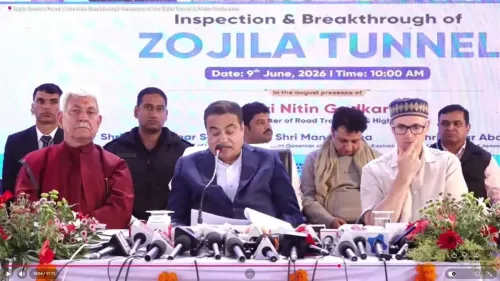
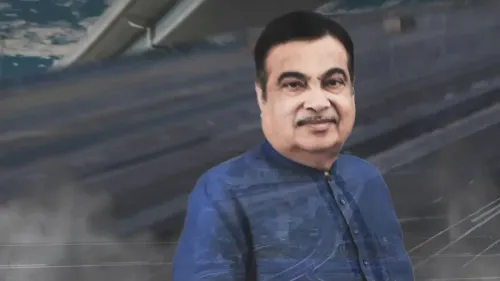
Union Road Transport and Highways Minister Nitin Gadkari on Thursday, June 11, 2026, highlighted ongoing infrastructure initiatives in Ladakh, describing them as transformative steps aimed at strengthening security, connectivity, tourism, and socio-economic development in the border union territory. The post, addressed to the Lieutenant Governor of Ladakh, invoked the PM Gati Shakti framework and carried the hashtag #PragatiKaHighway — 'Highway of Progress.'
Context
Gadkari's post declared that the road projects underway in Ladakh are 'not merely road construction projects, but transformative steps giving new direction to security, connectivity, tourism, and socio-economic development in border Ladakh.' The statement signals that the Ministry of Road Transport and Highways is framing its Ladakh portfolio as a multi-dimensional strategic intervention rather than routine civil works. The post was accompanied by a video and tagged the official handle of the Lieutenant Governor of Ladakh, indicating coordination between the central ministry and the union territory administration.
Policy Backdrop
Ladakh's road infrastructure has been a sustained priority since 2014, with the Border Roads Organisation (BRO) accelerating construction of strategic highways near the Line of Actual Control (LAC). A landmark in this push was the inauguration of the Atal Tunnel under Rohtang Pass in 2020, which for the first time gave Ladakh all-weather road access from Himachal Pradesh, cutting off seasonal isolation that had historically hampered both civilian life and defence logistics. The PM Gati Shakti National Master Plan, launched in 2021, extended this approach by integrating road, rail, and port planning across ministries on a single digital platform, allowing faster clearances and coordinated execution in remote and strategically sensitive regions such as Ladakh.
The Himalayan border belt has received disproportionate attention in the national highway expansion programme, driven by a twin logic: faster movement of military equipment and personnel along the LAC, and the opening of high-altitude districts to domestic tourism and local trade. Ladakh, which became a Union Territory in 2019, sits at the intersection of both imperatives, sharing borders with both China and Pakistan.
Stakeholders and Impact
The primary beneficiaries of improved road infrastructure in Ladakh span several groups. Residents of remote villages in districts such as Leh and Kargil gain year-round access to markets, hospitals, and government services that were previously cut off for months during winter. The Indian Army and allied security forces benefit from faster logistics corridors that reduce response times along the LAC. The tourism sector — a key economic driver for Ladakh — stands to gain from extended operating seasons and access to high-altitude destinations that were previously reachable only on foot or by air.
Socio-economic indicators in Ladakh have historically lagged behind other regions owing to geographic isolation. Better road connectivity is expected to ease the cost of goods, attract investment, and support livelihoods linked to agriculture, handicrafts, and hospitality. The Lieutenant Governor's office, as the administrative authority of the union territory, plays a central role in coordinating land acquisition, local implementation, and inter-agency clearances for these projects.
What's Next
Specific project names, timelines, and budget allocations were not detailed in Gadkari's post, and the research background flags the referenced 'transformative steps' as unspecified at this stage. Clarity on which highway stretches and tunnels are covered under the current Gati Shakti pipeline for Ladakh is expected to emerge through the next Union Budget and parliamentary committee proceedings on border connectivity. With the BRO continuing to operate on multiple fronts across the Himalayan arc, Gadkari's public framing of Ladakh projects as security-linked and socio-economically significant suggests the Ministry will continue to prioritise the region in its national highway expansion roadmap.
Point of View
Development, and tourism into a single infrastructure narrative — a framing the BJP has consistently deployed to build public support for capital-intensive Himalayan road projects. By tagging the Lieutenant Governor of Ladakh and invoking Gati Shakti, the Minister signals active inter-institutional coordination while also reinforcing the government's claim of sustained attention to the strategically sensitive border territory. The timing matters: with the LAC remaining a live geopolitical concern, linking road construction to national security elevates these projects above routine public works in the political imagination. If specific projects and timelines follow, this post may mark the opening of a broader communication campaign ahead of budget season.
NationPress
26 Oct 2026
Frequently Asked Questions
What road projects is Nitin Gadkari referring to in Ladakh?
Gadkari's post did not name specific projects, but referred broadly to road construction initiatives in border Ladakh aimed at security, connectivity, tourism, and socio-economic development under the PM Gati Shakti framework. Specific project details are expected through official government announcements.
What is PM Gati Shakti and how does it apply to Ladakh?
PM Gati Shakti is a National Master Plan launched in 2021 to integrate road, rail, and port planning across central ministries on a single digital platform. It applies to Ladakh by enabling faster clearances and coordinated execution of strategic highway and tunnel projects in the region.
Why is road connectivity in Ladakh important for national security?
Ladakh shares borders with both China and Pakistan, making fast, all-weather road access critical for the movement of Indian Army troops and equipment along the Line of Actual Control. Improved roads reduce response times and logistical dependence on air transport in the high-altitude terrain.
What is the Atal Tunnel and what did it achieve for Ladakh?
The Atal Tunnel, inaugurated in 2020 under Rohtang Pass, is a strategic highway tunnel that for the first time gave Ladakh all-weather road connectivity from Himachal Pradesh, ending months of winter isolation for residents and security forces.
How does better road infrastructure benefit ordinary residents of Ladakh?
Improved roads give residents of remote villages in Leh and Kargil districts year-round access to markets, hospitals, and government services. They also support livelihoods in tourism, agriculture, and handicrafts, and are expected to lower the cost of goods by reducing transport disruptions.