Gadkari Hails Mann Ki Baat at 12, Backs Vocal for Local
Synopsis
Union Minister Nitin Gadkari applauded the 139th Mann Ki Baat episode as it marked 12 years on air, highlighting PM Modi's Diwali push for Vocal for Local, citizen-led self-reliance stories from Punjab and Uttarakhand, and the Viksit Bharat vision.
Key Takeaways
PM Modi's Mann Ki Baat marked its 12th anniversary with its 139th episode on 25 October 2026 .
Modi described the programme as a 'teertha yatra' — a pilgrimage — honouring ordinary citizens' hard work.
A Vocal for Local call was renewed specifically on the occasion of Diwali , targeting peak festive-season consumer spending.
Grassroots examples cited included chemical-free cotton farming in Punjab , women weavers' self-reliance, and river rejuvenation in Uttarakhand .
Gadkari linked citizen-level adoption of local products and clean-environment values to the realisation of the Viksit Bharat 2047 goal.
Vocal for Local was first launched under the Aatmanirbhar Bharat Abhiyan in May 2020 as a post-pandemic self-reliance drive.
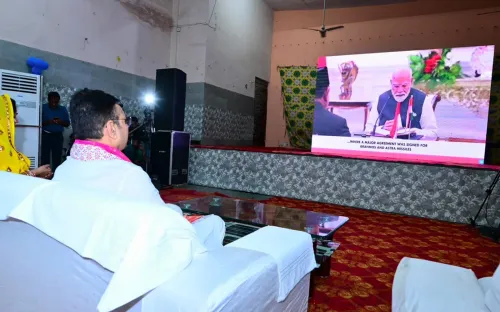
Twelve years after Prime Minister Narendra Modi first sat down at the microphone, Mann Ki Baat is still finding new stories — and Union Road Transport and Highways Minister Nitin Gadkari wants every Indian to hear the message loud and clear. Responding to the 139th episode of the monthly radio programme, broadcast on Sunday, 25 October 2026, Gadkari called the Prime Minister's words 'deeply inspiring' and urged citizens to make local products, a clean environment, and a spirit of service the pillars of everyday life.
What Modi said in the 139th episode
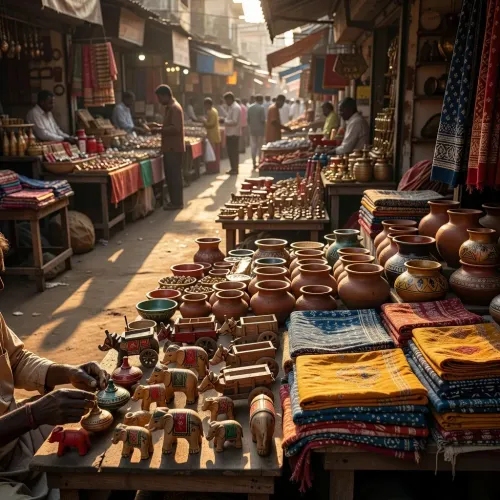
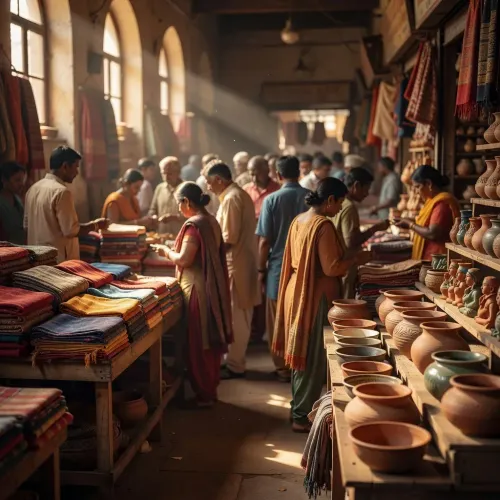
In the episode marking the programme's 12th anniversary, Prime Minister Modi described Mann Ki Baat as a 'teertha yatra' — a pilgrimage — to salute the hard work and dedication of ordinary Indians. He renewed his call for 'Vocal for Local', noting that Indian products are now reaching markets across the world. He highlighted chemical-free cotton farming in Punjab, the self-reliance of women weavers connected to the handloom trade, and river-rejuvenation efforts in Uttarakhand as living proof that citizens are changing India without waiting for the spotlight.
Modi reserved a salute — his word — for those working quietly, without fanfare, for their communities. Gadkari echoed that sentiment, writing that the message would inspire every Indian to contribute 'at their own level' to society and the nation.
Twelve years of Mann Ki Baat — and what it represents
Mann Ki Baat was launched in October 2014, shortly after Modi took office, as a direct-to-citizen radio address on All India Radio. Over more than a decade it has become one of the most consistent strands of government communication in India — a monthly platform where grassroots stories, governance themes, and civic values are woven together. The programme's longevity is itself a political signal: continuity of message from the same voice, reaching rural and urban listeners alike.
The Vocal for Local campaign it amplifies was formally launched as part of the Aatmanirbhar Bharat Abhiyan in May 2020, originally as an economic response to pandemic-era supply-chain shocks. Six years on, it has evolved into a broader cultural pitch — buy Indian, celebrate Indian craftsmanship, reduce import dependence — that sits at the heart of the government's Viksit Bharat 2047 vision.
Gadkari's message: the Diwali timing is deliberate
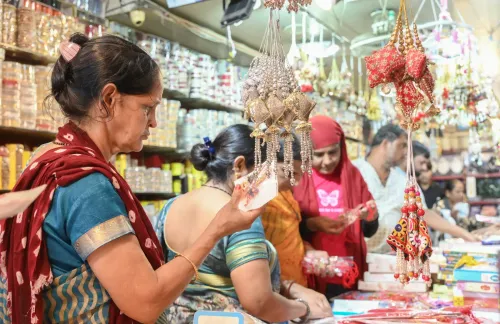
Gadkari's post notes that Modi made the Vocal for Local appeal on the occasion of Diwali — the festival when consumer spending in India peaks. The timing is pointed. Every year, domestic manufacturers and artisans compete against a flood of imported goods, particularly decorative items and electronics, during the festive season. Invoking Vocal for Local at this moment is a direct ask to consumers choosing between a local diya-maker and a cheaper import.
Gadkari closed his post with a confident declaration: only when every citizen makes local products, a clean environment, and service a part of daily life will the resolve of a Viksit Bharat truly be realised. It is a line that doubles as a political credo — self-reliance not as a government scheme but as a citizen's personal commitment.
The grassroots examples Modi cited — chemical-free fields in Punjab, looms run by independent women, rivers coaxed back to life in Uttarakhand — are precisely the kind of story Mann Ki Baat was designed to amplify. After 12 years and 139 episodes, the programme's bet is that enough of those stories, told often enough, add up to a national character. Gadkari's post is a reminder that the bet is still live.
Point of View
Story-driven messaging builds durable public buy-in for policy priorities. Gadkari's amplification of the episode, timed to Diwali, is a calculated reminder that Vocal for Local is not just an economic directive but a cultural ask at the moment Indians are most likely to open their wallets. The invocation of Viksit Bharat 2047 in this context frames self-reliance as a generational project rather than a seasonal slogan, keeping the long-horizon narrative alive between major policy announcements. Senior ministers echoing the Prime Minister's broadcast in real time also reinforces collective ownership of the message across the cabinet.
NationPress
25 Oct 2026
Frequently Asked Questions
What is Mann Ki Baat and when did it start?
Mann Ki Baat is a monthly radio address by Prime Minister Narendra Modi, launched in October 2014 , broadcast on All India Radio to highlight citizen stories and governance themes. It completed 12 years with its 139th episode in October 2026.
What did PM Modi say in Mann Ki Baat episode 139?
Modi called the programme a 'teertha yatra' honouring citizens' hard work, renewed the Vocal for Local appeal on the occasion of Diwali, and highlighted chemical-free cotton farming in Punjab, women weavers' self-reliance, and river-rejuvenation work in Uttarakhand.
What is Vocal for Local and how does it connect to Aatmanirbhar Bharat?
Vocal for Local is a campaign urging citizens to prefer and promote Indian-made goods. It was launched as part of the Aatmanirbhar Bharat Abhiyan in May 2020 to reduce import dependence and boost domestic manufacturing after pandemic disruptions.
Why did Gadkari react to Mann Ki Baat?
Union Road Transport and Highways Minister Nitin Gadkari posted on X to amplify Prime Minister Modi's message, saying it would inspire every citizen to contribute to society and link local-product adoption to the Viksit Bharat 2047 vision.
What is Viksit Bharat 2047?
Viksit Bharat is the government's national vision for India to become a fully developed economy by 2047 , the centenary of independence. It has been a central reference point in official messaging since 2022.