Gadkari Flags Stronger Road Links for Meghalaya
Synopsis
Union Minister Nitin Gadkari on June 14 flagged stronger, modern and safer road connectivity for Meghalaya, invoking the PM Gati Shakti and Bharatmala frameworks that have made the Northeast a central focus of India's highway expansion drive.
Key Takeaways
Union Minister Nitin Gadkari posted on June 14, 2026 highlighting new road connectivity progress in Meghalaya .
The post invoked the PM Gati Shakti National Master Plan (launched October 2021 ) and the #PragatiKaHighway initiative.
Bharatmala Pariyojana , approved in 2017 , provides the central funding framework for national highway upgradation in the Northeast.
Meghalaya residents and Northeast traders are the primary beneficiaries, with improved market access and reduced logistics costs at stake.
The Act East Policy (2014) adds a strategic dimension, linking Northeast highway upgrades to broader ASEAN connectivity goals.
Physical progress on Meghalaya stretches and the next Union Budget allocation will be key indicators to watch.
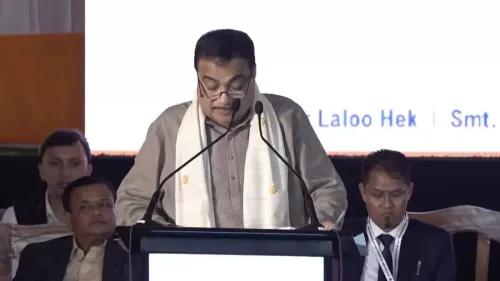
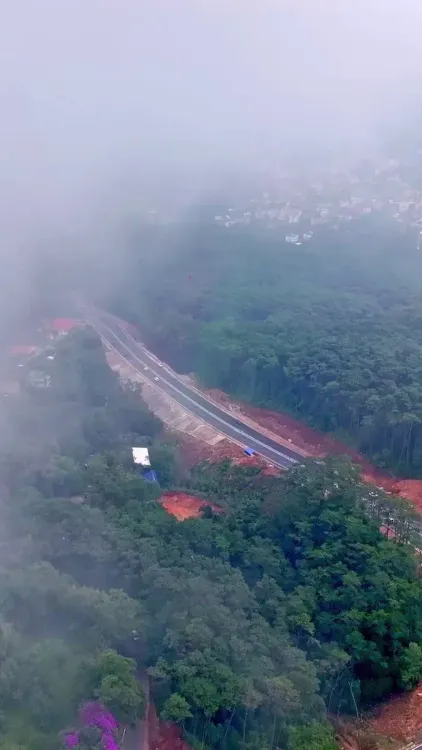
Union Road Transport and Highways Minister Nitin Gadkari on Sunday, June 14, 2026, highlighted new strides in road connectivity for Meghalaya, signalling fresh momentum in the Centre's push to bring modern, safe and faster highways to the Northeastern state. The minister shared the update on X, accompanied by a video, under the hashtags #PragatiKaHighway, #GatiShakti, and #BuildingTheNation.
Context
Meghalaya has historically faced significant road connectivity challenges owing to its hilly terrain, seasonal landslides, and limited two-lane paved infrastructure. The state's position in the Northeast has meant that both residents and traders have long depended on a narrow network of roads that struggle to handle modern freight and passenger volumes. Gadkari's post frames the latest development as a step toward overcoming these structural barriers, promising connectivity that is aadhunik, surakshit aur tez — modern, safe, and fast.
Policy Backdrop
The push for Meghalaya's road upgradation sits within a layered policy architecture. The PM Gati Shakti National Master Plan, launched in October 2021, brought together road, rail, and multimodal infrastructure planning across ministries under a single digital platform, aiming to eliminate siloed execution. Alongside it, the Bharatmala Pariyojana, approved in 2017, specifically targeted the construction and upgradation of national highways in the Northeast, channelling central funds toward corridors that had long been neglected.
The Act East Policy, articulated in 2014, added a strategic dimension — improving physical connectivity to ASEAN nations through upgraded Northeastern corridors. Together, these frameworks have made the Northeast a priority zone for highway investment, with the Ministry of Road Transport and Highways reporting steady additions of four-lane and two-lane paved roads under central funding over successive years.
Stakeholders and Impact
The primary beneficiaries of improved highway infrastructure in Meghalaya are its residents — particularly those in interior districts where poor roads translate directly into limited access to healthcare, education, and markets. Northeast traders stand to gain from reduced logistics costs and shorter transit times once upgraded corridors become operational. Better roads also carry security logistics implications, a consideration that has historically shaped central investment decisions in the region.
Broader corridor development, including multimodal logistics parks being planned across the Northeast, depends on the foundational highway network being in place. Each stretch of upgraded road in states like Meghalaya therefore functions as an enabling link in a much larger supply-chain and economic integration effort.
What's Next
Watchers of Northeast infrastructure policy will track physical progress reports on ongoing Meghalaya highway stretches and any supplementary budget allocations directed at the region in the next Union Budget. The Ministry's stated goal of delivering modern, safe connectivity to the state will be tested by execution timelines, terrain-specific engineering challenges, and the pace of land acquisition. Gadkari's post, framed under the #GatiShakti banner, suggests the government intends to keep the Northeast's road story front and centre in its infrastructure narrative ahead of the budget cycle.
Point of View
The ministry is reinforcing a political dividend it has carefully cultivated in a region where roads have historically been a flashpoint for public grievance. The use of the #GatiShakti hashtag is deliberate: it ties a state-level development to a national flagship, amplifying the policy's visibility. Whether the on-ground execution matches the messaging will determine how durable that political dividend proves to be.
NationPress
13 Sept 2026
Frequently Asked Questions
What road projects is the government building in Meghalaya?
The Centre is upgrading national highways in Meghalaya under the Bharatmala Pariyojana and the PM Gati Shakti National Master Plan , targeting modern, four-lane and two-lane paved corridors to improve connectivity in the hilly Northeastern state. Specific project details from Gadkari's June 14, 2026 post are yet to be officially itemised in public records.
What is PM Gati Shakti and how does it affect Meghalaya?
PM Gati Shakti is a National Master Plan launched in October 2021 that integrates road, rail, and multimodal infrastructure planning across central ministries on a single digital platform. For Meghalaya, it means highway projects are coordinated with other infrastructure investments to reduce delays and duplication.
What is Bharatmala Pariyojana?
Bharatmala Pariyojana is a centrally funded highway construction and upgradation programme approved in 2017 . It specifically includes the Northeastern states, channelling funds toward national highway corridors that had historically received limited investment.
Why is road connectivity important for Meghalaya?
Meghalaya's hilly terrain and limited paved road network have long restricted residents' access to markets, healthcare, and education. Better highways reduce logistics costs for traders, cut travel time, and also support security logistics across the strategically sensitive Northeastern region.
What is India's Act East Policy and its link to Northeast highways?
The Act East Policy , articulated in 2014 , prioritises improving physical connectivity between India's Northeast and ASEAN nations. Upgraded highways in states like Meghalaya are foundational to this strategy, enabling smoother cross-border trade and people-to-people links.