Gadkari lays foundation for 3 elevated road projects in Pune
Synopsis
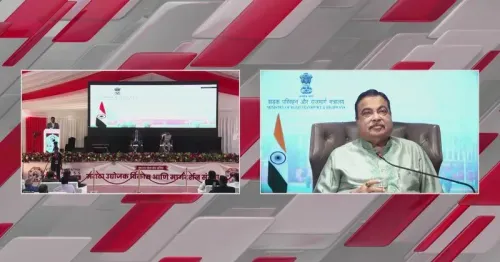
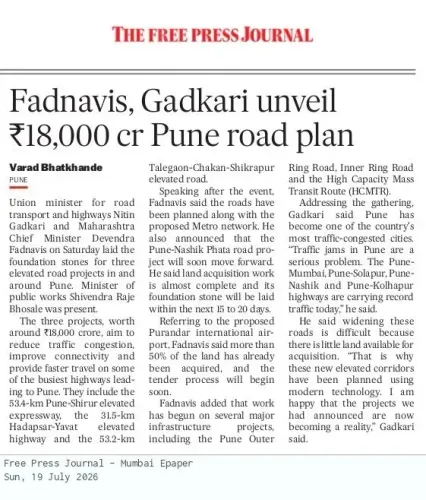
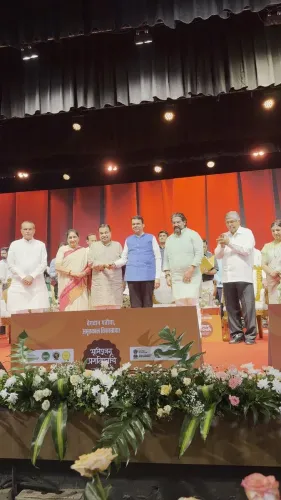
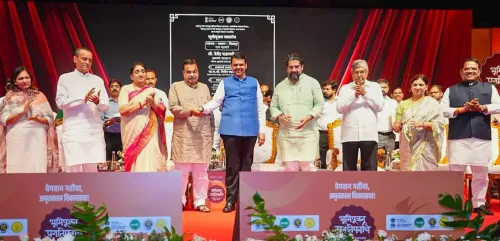
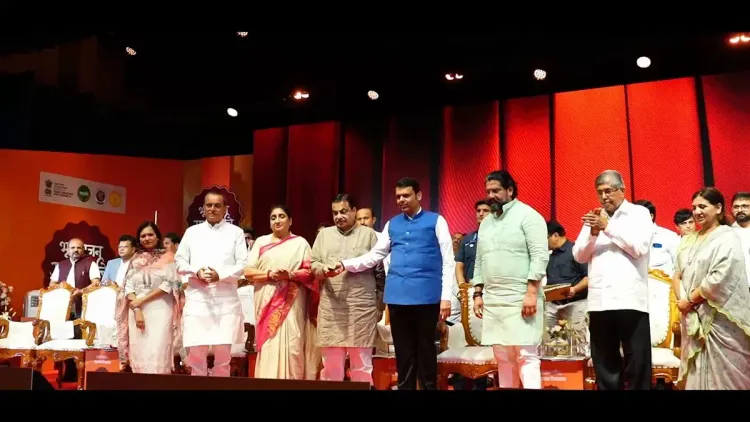
Union Minister Nitin Gadkari laid the foundation stone for three elevated road projects in Pune district on 18 July 2026, advancing the GatiShakti and Pragati Ka Highway agenda to decongest one of Maharashtra's busiest urban and freight corridors.
Key Takeaways
Union Minister Nitin Gadkari performed the bhumi pujan for three elevated road projects in Pune district on 18 July 2026 .
The projects are linked to the #PragatiKaHighway campaign and the Gati Shakti National Master Plan launched in October 2021 .
Pune is a critical automotive and IT hub with chronic traffic congestion, making elevated corridors a priority infrastructure solution.
India's national highway network has grown from roughly 91,000 km to over 1.46 lakh km since 2014 under Gadkari's ministry.
Bharatmala Pariyojana Phase-I , approved in 2015 , targets 34,800 km of new national highways, with urban connectors as a key component.
State and central coordination on land acquisition and construction timelines will be the critical next step for all three corridors.
Union Road Transport and Highways Minister Nitin Gadkari on Saturday, 18 July 2026, performed the bhumi pujan (groundbreaking) for three significant elevated road projects in Pune district, marking a fresh push to ease the city's chronic traffic congestion through dedicated grade-separated corridors. The minister announced the development under the #PragatiKaHighway and #GatiShakti banners, framing the projects as a new direction for progress through road and highway construction in Pune.
Context
Gadkari's post, written in Marathi, declared: 'पुणे रस्ते-महामार्ग निर्मितीतून प्रगतीची नवी दिशा!' ('A new direction of progress through Pune road and highway construction!'). The groundbreaking covers three important elevated corridor projects in Pune district, though the exact names, lengths and individual funding allocations of each project have not been officially detailed in the announcement. The ceremony signals the formal entry of these projects into the active construction pipeline under the central government's urban infrastructure drive.
Pune is one of Maharashtra's most congested urban centres, functioning simultaneously as a major automotive manufacturing hub, an IT services cluster, and a freight transit node between Mumbai and inland Maharashtra. Growing vehicle density on arterial roads has made elevated corridors a priority solution for city planners and the union ministry alike.
Policy Backdrop
The projects sit within two interlocking policy frameworks. Bharatmala Pariyojana Phase-I, approved in 2015, targets the construction of 34,800 km of national highways with a focus on economic corridors, port connectivity and border roads. Urban elevated corridors feeding into these highways have been a natural extension of that agenda in large cities.
Layered on top is the Gati Shakti National Master Plan, launched in October 2021, which uses GIS-based digital tools to synchronise road, rail and port projects across ministries and reduce the country's overall logistics costs. The #GatiShakti hashtag in Gadkari's post signals that the Pune elevated corridors are being tracked and coordinated through that integrated planning framework. Since 2014, the national highway network has expanded from roughly 91,000 km to over 1.46 lakh km under Gadkari's stewardship.
Stakeholders and Impact
Pune commuters stand to benefit most directly, with elevated corridors designed to reduce travel times on congested surface roads. Local businesses — particularly in the automotive and logistics sectors — are expected to gain from smoother freight movement, while the Maharashtra government is a key implementation partner for land acquisition and utility shifting along the project alignments.
The broader freight economy between Mumbai and Pune, already served by the Mumbai-Pune Expressway, could see complementary relief as urban last-mile connectivity improves. Elevated corridors also reduce conflict between heavy vehicles and local traffic, a persistent safety concern in rapidly urbanising districts like Pune.
What's Next
Attention will now shift to state and central budget allocations for land acquisition, contractor appointments, and declared construction timelines for each of the three elevated corridors. Complementary projects — including the proposed Pune Ring Road and any widening of the Mumbai-Pune Expressway — are likely to be watched alongside these new corridors as part of the larger regional connectivity picture.
With Pune featuring repeatedly in central highway plans over the past decade, Saturday's groundbreaking reinforces the city's position as a priority node in India's infrastructure build-out — and sets the stage for a construction race that will define the district's commute landscape for the next generation.
Point of View
The minister is deliberately framing local infrastructure as part of a national multimodal logistics story, a communication pattern that has become a signature of this ministry. Pune's dual identity as an automotive production centre and a fast-growing IT city makes it politically and economically high-value real estate for such announcements, particularly ahead of state-level electoral cycles in Maharashtra. The real test, as with many bhumi pujans, will be whether land acquisition and contractor timelines hold — two variables that have historically slipped on urban elevated projects across India.
NationPress
17 Oct 2026
Frequently Asked Questions
What projects did Nitin Gadkari inaugurate in Pune in July 2026?
Gadkari performed the bhumi pujan for three elevated road projects in Pune district on 18 July 2026, under the GatiShakti and Pragati Ka Highway frameworks. The exact names and lengths of the three corridors have not been officially detailed in the announcement.
What is the Gati Shakti National Master Plan?
Gati Shakti is a national infrastructure initiative launched in October 2021 that uses GIS-based digital tools to synchronise road, rail and port projects across ministries, with the goal of reducing India's overall logistics costs.
What is Bharatmala Pariyojana?
Bharatmala Pariyojana Phase-I is a central government scheme approved in 2015 to construct 34,800 km of national highways, focusing on economic corridors and connectivity to ports and border areas.
Why does Pune need elevated road corridors?
Pune is a major automotive, IT and freight hub in Maharashtra with severe urban traffic congestion. Elevated corridors are designed to provide grade-separated routes that reduce travel times and ease conflict between heavy freight vehicles and local commuter traffic.
How much has India's national highway network grown under Gadkari?
Under Gadkari's tenure as Union Road Transport and Highways Minister since 2014, India's national highway network has expanded from roughly 91,000 km to over 1.46 lakh km.