Gadkari holds bilateral meets with South Africa, Russia at BRICS Transport Summit
Synopsis
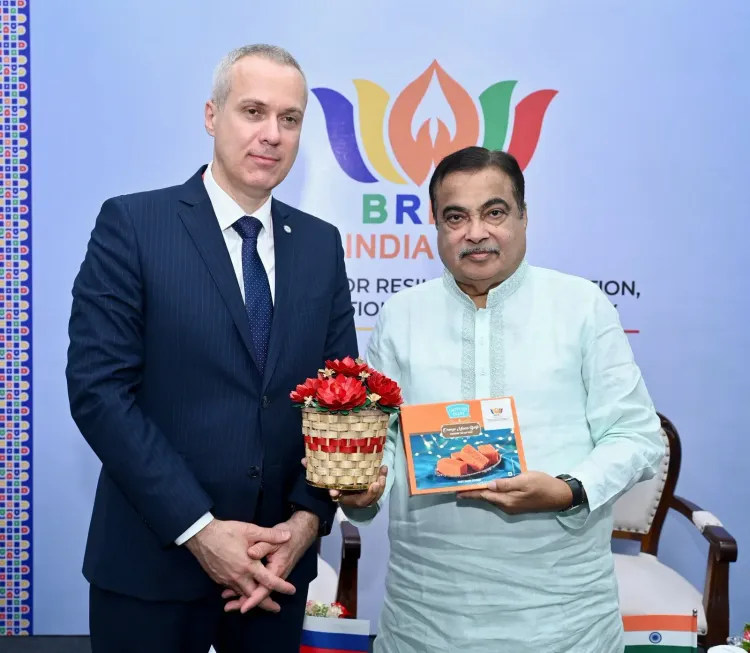
Union Minister Nitin Gadkari met South African and Russian delegations on the sidelines of the 3rd BRICS Transport Ministers' Meeting in Nagpur on 11 July 2026, gifting delegates bamboo bouquets, Gond paintings, and orange sweets as a mark of Indian hospitality and soft-power diplomacy.
Key Takeaways
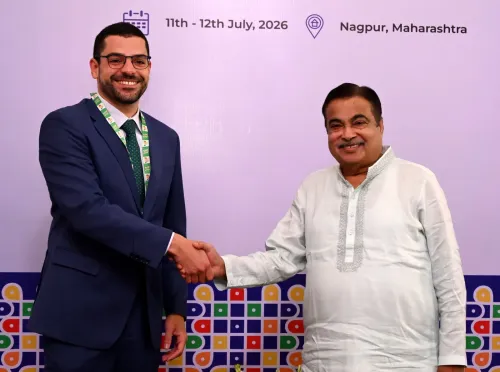
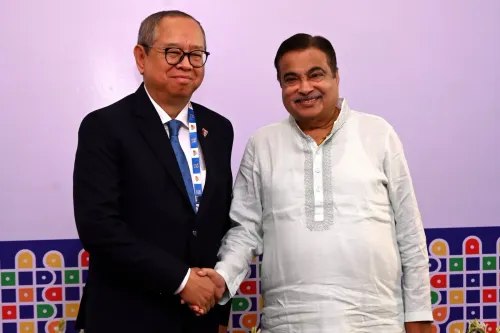
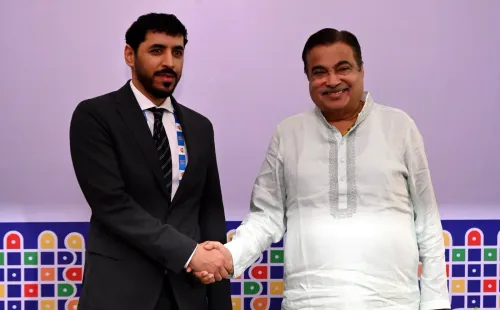
Minister Nitin Gadkari held bilateral meetings with delegations from South Africa and Russia on 11 July 2026 in Nagpur .
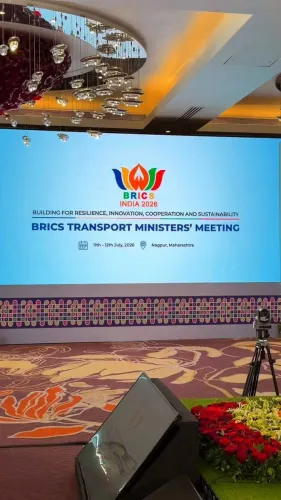
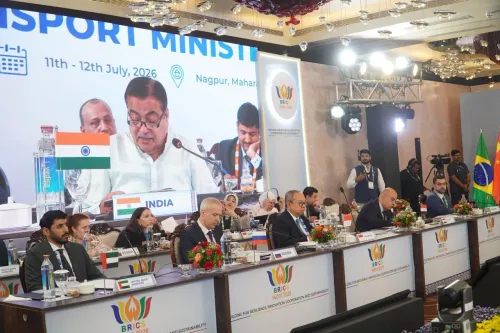
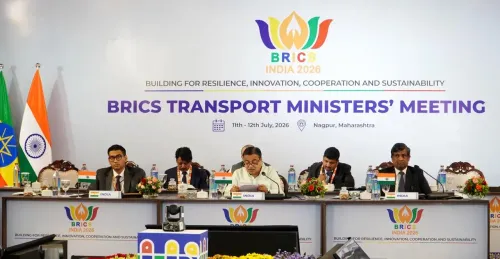
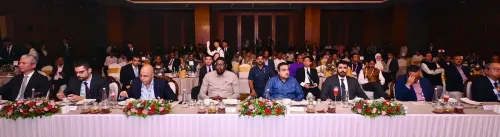
The meetings were held on the sidelines of the 3rd BRICS Transport Ministers' Meeting , hosted in Nagpur, Maharashtra .
Delegates received bamboo bouquets , traditional Gond paintings , and Nagpur orange sweets as cultural gifts reflecting India's hospitality.
India holds the BRICS 2026 presidency, making the Nagpur ministerial a key event in its multilateral calendar.
Bilateral transport talks on the sidelines are expected to feed into potential MoUs and follow-up engagements with both countries.
Nagpur is positioned as a central multimodal logistics hub, adding strategic symbolism to its role as the host city.
Union Road Transport and Highways Minister Nitin Gadkari held bilateral meetings with delegations from South Africa and Russia on the sidelines of the 3rd BRICS Transport Ministers' Meeting in Nagpur, Maharashtra, on Saturday, 11 July 2026. The meetings, conducted ahead of the main ministerial session, underscored India's active engagement with fellow BRICS members on transport and connectivity priorities.
Context
Nagpur is hosting the 3rd BRICS Transport Ministers' Meeting under India's BRICS 2026 presidency, bringing together transport officials from the bloc's member nations to discuss infrastructure, logistics corridors, and sustainable mobility. Minister Gadkari used the sidelines of the event to engage separately with the South African and Russian delegations in focused bilateral formats, a common diplomatic practice at large multilateral gatherings.
As a mark of Indian hospitality, the visiting delegates were presented with bamboo bouquets, traditional Gond paintings, and Nagpur's renowned orange sweets — gifts that reflect both the host city's cultural identity and India's broader soft-power approach to multilateral diplomacy.
Policy Backdrop
India has consistently used BRICS ministerial platforms to advance bilateral transport and infrastructure conversations beyond the formal agenda. The grouping's multilateral development arm, the New Development Bank, has been a vehicle for financing connectivity projects across member states, and bilateral transport talks at such forums often lay the groundwork for follow-on agreements.
Gadkari has been the architect of India's rapid national highway expansion programme, and his ministry has increasingly sought to align domestic infrastructure ambitions with international partnerships — particularly in areas such as multimodal logistics, green transport technology, and cross-border road connectivity. Engaging South Africa and Russia, both significant BRICS partners, signals India's intent to deepen transport-sector cooperation with each country on a bilateral track alongside the multilateral one.
Stakeholders and Impact
The bilateral meetings are of direct relevance to transport ministries, logistics operators, and infrastructure developers across the three countries. For South Africa, engagement with India on transport corridors can support trade facilitation between the two economies, which share membership in multiple multilateral groupings. For Russia, bilateral transport dialogue with India carries significance in the context of expanding the International North-South Transport Corridor and other alternative logistics routes.
Domestically, the choice of Nagpur as the host city is itself significant — the city sits at India's geographic centre and is emerging as a major multimodal logistics hub, with investments in road, rail, and air connectivity converging there. Hosting a BRICS ministerial event in the city amplifies its profile as an infrastructure gateway.
What's Next
Attention will now turn to the formal outcomes of the 3rd BRICS Transport Ministers' Meeting itself, including any joint declarations, memoranda of understanding, or agreed frameworks on connectivity and sustainable transport. Bilateral follow-ups from the margins meetings — with South Africa and Russia — could materialise as sector-specific MoUs or working-group mandates in the months ahead. With India holding the BRICS 2026 presidency, the Nagpur ministerial is expected to set the transport agenda ahead of any leaders-level BRICS summit later in the year.
Point of View
From Gond art to local produce, reflects a deliberate soft-power calculus that India has refined across successive multilateral presidencies. With India holding the BRICS 2026 chair, these margins meetings carry added weight, potentially seeding MoUs and working-group mandates that will define the bloc's transport cooperation agenda for the coming year. Gadkari's active presence also reinforces his ministry's positioning as a front-line actor in India's infrastructure diplomacy, not merely a domestic policy executor.
NationPress
11 Jul 2026
Frequently Asked Questions
What is the 3rd BRICS Transport Ministers' Meeting?
The 3rd BRICS Transport Ministers' Meeting is a ministerial-level gathering of transport officials from BRICS member nations, hosted in Nagpur, Maharashtra in 2026 under India's BRICS presidency, to discuss infrastructure, logistics, and sustainable transport cooperation.
Why did Gadkari meet South Africa and Russia separately in Nagpur?
Minister Gadkari held separate bilateral meetings with the South African and Russian delegations on the sidelines of the BRICS transport ministers' meeting to pursue country-specific transport and connectivity discussions beyond the multilateral agenda.
What gifts were given to BRICS delegates at the Nagpur meeting?
Delegates were presented with bamboo bouquets, traditional Gond paintings, and Nagpur's renowned orange sweets as a gesture of India's cultural hospitality.
What is India's BRICS 2026 presidency?
India holds the BRICS 2026 presidency, meaning it chairs the bloc's meetings and sets the agenda for the year, including hosting ministerial events such as the Nagpur transport ministers' meeting.
Why is Nagpur significant for a BRICS transport meeting?
Nagpur sits at India's geographic centre and is developing as a major multimodal logistics hub, making it a symbolically and practically relevant venue for a gathering focused on transport and connectivity.