Gadkari inaugurates ₹8,700-cr NH projects in Bengal
Synopsis
Union minister Nitin Gadkari opened two national highway stretches in West Bengal, including a six-lane NH-19 upgrade and a new Farakka Ganga bridge, and laid foundations for 20 more packages worth over ₹8,700 crore in all. He also announced ₹75,000 crore of new works, led by an 8-lane Dankuni–Kolaghat road and a 250 km Kolkata ring road.
Key Takeaways
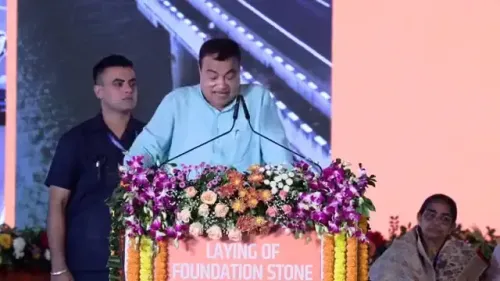
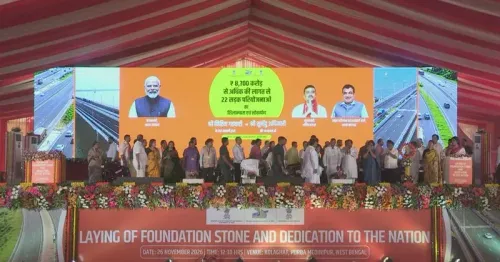
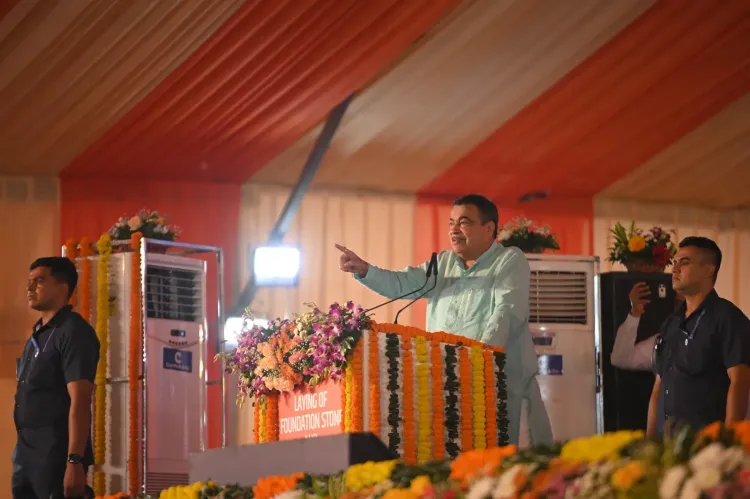
On 26 November 2026 at Kolaghat, Purba Medinipur, Nitin Gadkari inaugurated and laid foundations for 22 national highway projects worth more than ₹8,700 crore.
Opened: a 63.83 km six-lane Palsit–Dankuni stretch on NH-19, and a ₹521.20 crore four-lane Ganga bridge at Farakka with its approach roads.
Foundation laid for 20 packages, including 57 VUP/LVUP on NH-12 and NH-19, a Ramnagar bypass on NH-116B, and Setubandhan bridges on the Norghat and Dwarkeshwar rivers.
New announcements total ₹75,000 crore: ₹20,000 crore for a 58 km 8-lane Dankuni–Kolaghat road, ₹12,000 crore for a 245 km Moregram–Kishanganj 4-lane corridor, and ₹14,000 crore for a 250 km Kolkata ring road.
Gadkari said the works will ease links among Kolkata, Durgapur, Krishnanagar, Baharampur and Malda and improve access to Digha, Mandarmani, Tajpur and Bakkhali.
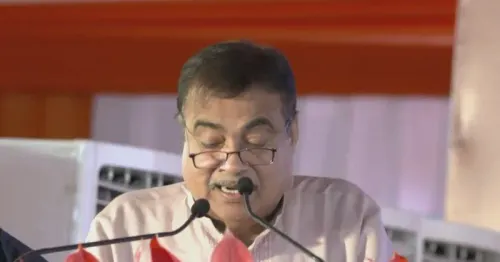
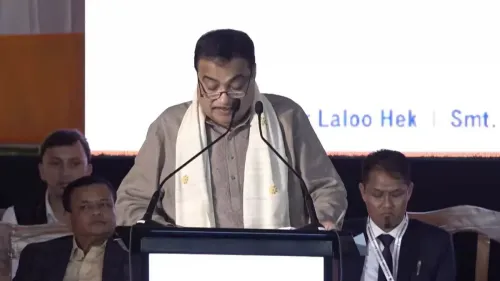
One afternoon in Kolaghat reset how freight, factory trucks and ordinary travellers will cross West Bengal. Union Road Transport and Highways Minister Nitin Gadkari on Thursday, 26 November 2026, opened two finished national highway stretches and laid the foundation for 20 more — a 22-project bundle he put at more than ₹8,700 crore — then announced a fresh ₹75,000 crore pipeline for the state. The ribbon-cuttings in Purba Medinipur included a 63.83 km six-lane rebuild of NH-19 from Palsit to Dankuni and a new four-lane bridge over the Ganga at Farakka.
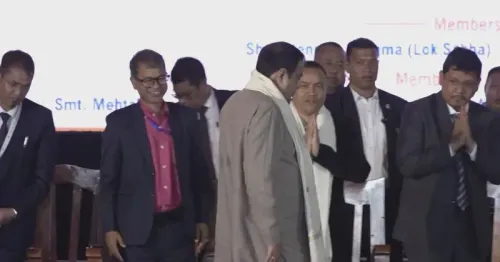
Gadkari said the works would give West Bengal nai gati (new momentum) through modern roads. He listed the inauguration and shilanyas as having taken place in the presence of Suvendu Adhikari, public works minister Ajay Kumar, minister of state Nadiyachand Bawri, members of Parliament, legislators and officials.
Palsit–Dankuni six-lane and Farakka's new Ganga span
The live NH-19 stretch is the day's workhorse. Gadkari said the Palsit–Dankuni six-lane will tighten links among Howrah, Hooghly and Bardhaman, speed goods movement and trade, and strengthen the corridor that ties Kolkata to Durgapur and the state's industrial belt. That alignment sits on the old Golden Quadrilateral spine — the road that still carries much of eastern India's long-haul freight.
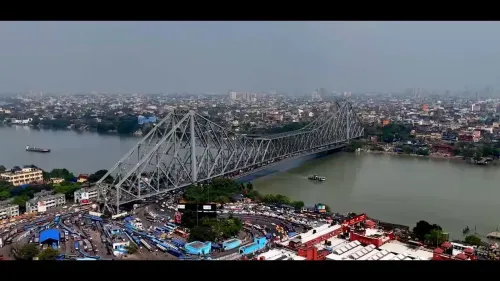
The second dedication is a river problem solved in concrete. A new 4-lane Ganga bridge at Farakka, with its approach roads, was opened at a cost of ₹521.20 crore. Gadkari said it will ease travel between Murshidabad and Malda, cut the time needed to cross the Ganga, and firm up access toward North Bengal. For a state split by the river, that is not a ceremonial span. It is a clock.
Underpasses, Ramnagar bypass and bridges to the coast
The 20 foundation stones are where the safety and tourism map changes. Under a road-safety plan, 57 vehicle and light-vehicle underpasses (VUP/LVUP) are to come up on NH-12 and NH-19. A Ramnagar bypass on NH-116B is meant to pull through-traffic out of the town. Widening and other bypasses, Gadkari said, will save time and fuel.
Under the Setubandhan scheme, two large bridges are planned on the Norghat and Dwarkeshwar rivers. Better links to Digha, Mandarmani, Tajpur and Bakkhali are pitched at tourism and the fisheries trade. A smoother run to the Jharkhand border at the Gowai river check post is meant to cut interstate freight time. He said the package would ease traffic pressure and improve links among Kolkata, Krishnanagar, Baharampur, Malda and Durgapur — and open new chances for industry, mandis, farm belts and ordinary users.
₹75,000 crore next: 8-lane, Kishanganj corridor, Kolkata ring road
Then came the larger bet. During the programme Gadkari announced new national highway projects totalling ₹75,000 crore. The headline items: an 8-lane Dankuni–Kolaghat highway of 58 km at ₹20,000 crore; a 245 km four-lane high-speed corridor from Moregram to Kishanganj at ₹12,000 crore; and a 250 km Kolkata ring road at ₹14,000 crore, plus widening works. He framed the day under PM Gati Shakti and said the state's national highway network was advancing under Prime Minister Narendra Modi and Suvendu Adhikari, as named in his post.
The sequence is familiar since the 2015 Bharatmala push and the October 2021 Gati Shakti master plan: open what is ready, then lock the next corridor while the crowd is still on the dais. National highway length has more than doubled since 2014; eastern industrial belts have been a repeated target. What remains is the unglamorous part — land, tenders, and the next Budget line for the 8-lane, the Kishanganj corridor and the ring road.
Ribbon-cuttings travel well on a dais. The 8-lane, the high-speed corridor and the 250 km ring road will be judged only when the first kilometre of asphalt is poured — and the last.
Point of View
Folding West Bengal into Bharatmala corridors and the 2021 PM Gati Shakti master plan. Thursday's mix — opening a six-lane NH-19 rebuild and a Ganga crossing at Farakka while stacking a ₹75,000 crore pipeline — follows the familiar sequence of proving a finished stretch, then locking the next alignment. Those two live projects sit on the Kolkata–Durgapur industrial spine and the South–North Bengal river gap, which is why traders and passenger traffic will feel them first. What to watch is whether the next Budget funds the 8-lane Dankuni–Kolaghat road and the 250 km Kolkata ring road before the old alignments clog again.
NationPress
26 Nov 2026
Frequently Asked Questions
What did Nitin Gadkari inaugurate in West Bengal on 26 November 2026?
Union Road Transport and Highways Minister Nitin Gadkari inaugurated and laid the foundation for 22 national highway projects worth more than ₹8,700 crore at Kolaghat in Purba Medinipur. Two completed works were opened: the 63.83 km six-lane Palsit–Dankuni stretch on NH-19 and a new four-lane Ganga bridge at Farakka costing ₹521.20 crore.
What new highway projects did Gadkari announce for West Bengal?
He announced national highway projects totalling ₹75,000 crore. These include a 58 km 8-lane Dankuni–Kolaghat road at ₹20,000 crore, a 245 km four-lane Moregram–Kishanganj high-speed corridor at ₹12,000 crore, and a 250 km Kolkata ring road at ₹14,000 crore, along with widening works.
How will the new Farakka Ganga bridge help travellers?
The four-lane bridge and its approaches, dedicated at ₹521.20 crore, are meant to ease movement between Murshidabad and Malda. Gadkari said it will cut the time taken to cross the Ganga and strengthen connectivity toward North Bengal.
What is the Dankuni to Kolaghat 8-lane project?
It is a proposed 58 km eight-lane national highway between Dankuni and Kolaghat, announced at a cost of ₹20,000 crore. The alignment sits in the same industrial-coastal belt as the Kolaghat event and is intended to add capacity beyond the existing NH-19 corridor.
Which tourist towns in West Bengal will get better highway links?
Gadkari said the new packages will improve access to Digha, Mandarmani, Tajpur and Bakkhali. He linked the better roads to growth in tourism and the fisheries trade, alongside a smoother freight route to the Jharkhand border at the Gowai river check post.