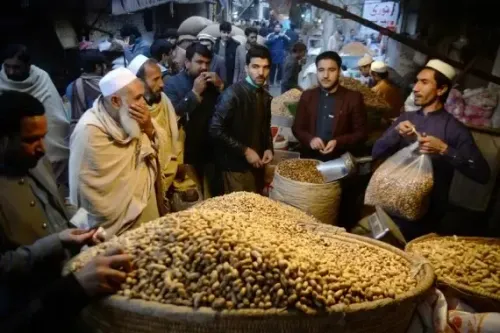
Pakistan food insecurity hits 24.35% as wheat prices soar 39%
Synopsis
Almost half of Pakistan's poorest households now face moderate or severe food insecurity, against under 9% among the richest. Nationally, the share has jumped from 15.92% to 24.35% in six years, as wheat prices rise nearly 39% and flour hits record highs in most markets.
Key Takeaways
Moderate or severe food insecurity in Pakistan rose from 15.92% in 2018–19 to 24.35% in 2024–25 , per PBS data.
Severe food insecurity more than doubled, from 2.37% to 5.04% .
Food prices rose 7.74% year-on-year in October .
Urban wheat was up about 39% , wheat flour 34.27% and chicken 20.30% .
The FAO says retail wheat flour prices hit record levels in most monitored markets in October.
Food accounts for 36.72% of household spending, the largest category, according to HIES 2024–25 .
In the poorest quintile, 45.97% of households face food insecurity, against 8.95% among the richest.
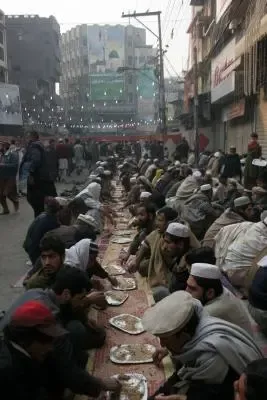
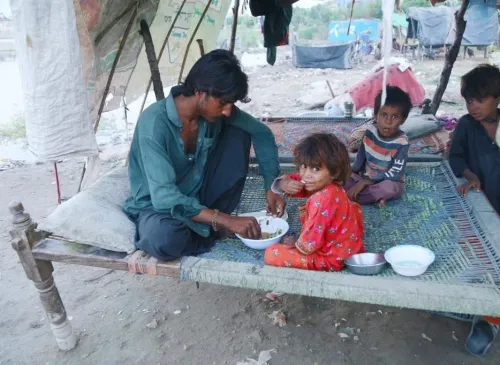
Food insecurity in Pakistan has climbed sharply, with nearly one in four households reporting moderate or severe difficulty in getting enough to eat, as surging prices of staples such as wheat squeeze the country's poorest families. The share of affected households rose from 15.92 per cent in 2018–19 to 24.35 per cent in 2024–25, according to official data cited in a report by Khaleej Times.
The report describes the situation as one of extreme distress for Pakistan's poor, who are struggling to buy food in sufficient quantities as essential commodity prices continue to rise.
What the Official Data Shows
The figures come from the Pakistan Bureau of Statistics (PBS) social indicators report. Over the same period, severe food insecurity alone more than doubled, rising from 2.37 per cent to 5.04 per cent of households.
Taken together, the data indicates that nearly one in four households surveyed experienced moderate or severe food insecurity during the survey period.
Wheat, Flour and Chicken Lead the Price Surge
Price pressures have not eased. In October this year, food and non-alcoholic beverage prices rose 7.74 per cent year-on-year and 2.26 per cent over September, according to reports.
Some staples recorded far steeper annual jumps. Urban wheat prices rose by approximately 39 per cent, wheat flour by 34.27 per cent and chicken by 20.30 per cent, the report states.
Notably, the United Nations Food and Agriculture Organisation (FAO) recently reported that retail wheat flour prices rose sharply in October, reaching record levels in most of the markets it monitors. The FAO attributed the increases to seasonally tight supplies, higher production costs and transportation expenses.
Why Rising Prices Hit Households Hard
Food is the single biggest item in the Pakistani household budget. The PBS Household Integrated Economic Survey (HIES) 2024–25 found that food and non-alcoholic beverages accounted for 36.72 per cent of total household consumption expenditure, making it the largest expenditure category.
For families that depend on wheat flour as a daily staple, record flour prices place considerable pressure on already limited budgets. According to the report, when a large share of spending already goes on food, rising prices leave less money for other necessities, including housing, electricity, healthcare and education.
A Deep Divide Between Rich and Poor
The data reveals a stark gap across income groups. Among households in the poorest consumption quintile, 45.97 per cent experienced moderate or severe food insecurity, compared with just 8.95 per cent among the richest.
The burden also falls unevenly by geography. Rural households recorded a food insecurity rate of 26.72 per cent, higher than the 20.58 per cent recorded among urban households.
The figures underline how closely food security is tied to household purchasing power. With wheat flour at record levels in most monitored markets, the coming months will test how much further Pakistan's poorest households can stretch their budgets.
Point of View
Against under 9% of the richest. When wheat, the most basic staple, rises close to 39% in a year, the poorest lose ground first, because food already takes more than a third of household spending. The FAO's explanation of tight supplies and higher costs points to structural pressures, not a passing spike. Without targeted relief, the gap between Pakistan's rich and poor at the dinner table is likely to widen further.
NationPress
26 Nov 2026
Frequently Asked Questions
How many households in Pakistan face food insecurity?
About 24.35 per cent of households in Pakistan experienced moderate or severe food insecurity in 2024–25, according to the Pakistan Bureau of Statistics. That is roughly one in four households, up from 15.92 per cent in 2018–19.
How much have wheat prices risen in Pakistan?
Urban wheat prices in Pakistan rose by approximately 39 per cent year-on-year, while wheat flour rose 34.27 per cent. The FAO reported that retail wheat flour prices reached record levels in most markets it monitored in October.
Why are food prices rising in Pakistan?
The FAO attributed the sharp rise in wheat flour prices to seasonally tight supplies, higher production costs and transportation expenses. Overall food and non-alcoholic beverage prices rose 7.74 per cent year-on-year in October.
Who is most affected by food insecurity in Pakistan?
The poorest households are hit hardest. In the lowest consumption quintile, 45.97 per cent face moderate or severe food insecurity, compared with 8.95 per cent among the richest. Rural households (26.72 per cent) are also more affected than urban ones (20.58 per cent).
How much do Pakistani households spend on food?
Food and non-alcoholic beverages account for 36.72 per cent of total household consumption expenditure in Pakistan, according to the HIES 2024–25. This makes food the largest single spending category.