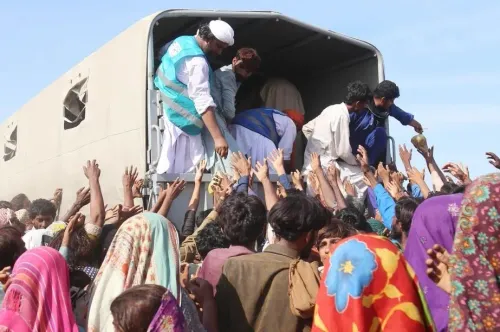
Pakistan among top 10 countries in global food crisis, 266 million affected
Synopsis
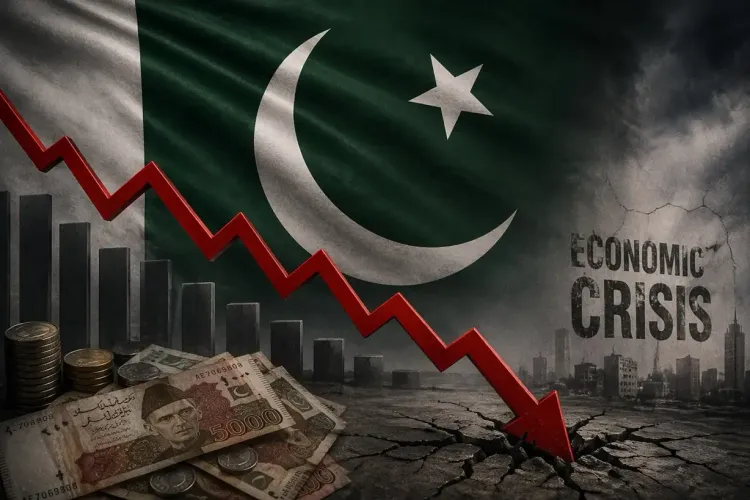
A new report places Pakistan among ten countries accounting for two-thirds of the world's acutely hungry population. With nearly one in four Pakistani households now food insecure, inflation at 117% over six years, and rural communities battered by climate shocks, the data signals a crisis that has quietly doubled in a decade — and is still worsening.
Key Takeaways
266 million people across 47 countries face acute hunger globally — roughly double the number from a decade ago.
Pakistan is one of ten countries accounting for 177 million , or two-thirds, of those affected.
Nearly one in four Pakistani households experienced moderate or severe food insecurity in 2024–25 , up from about one in six in 2018–19 .
Severe food insecurity more than doubled, rising from 2.37% to 5.04% over the same period.
Pakistan's consumer price index rose 117% between June 2019 and June 2025 , according to the PBS.
Climate-related agricultural losses are compounding economic pressures, leaving rural households especially vulnerable.
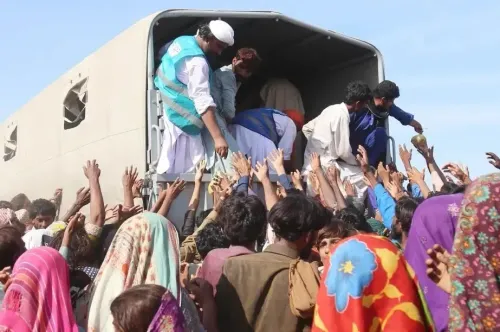
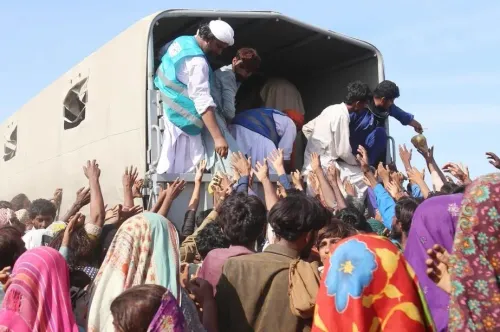
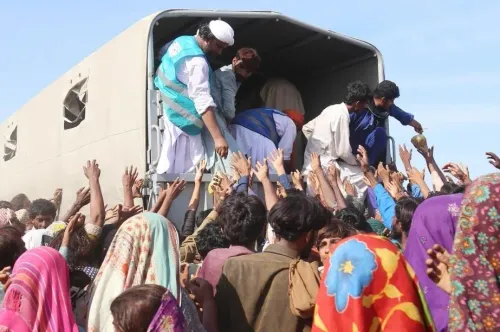
Pakistan is among the ten countries bearing the largest share of the global food crisis, according to a new report, as economic pressures, climate shocks, and shrinking access to humanitarian assistance drive worsening food insecurity across the developing world. The findings highlight a crisis that has roughly doubled in scale over the past decade.
Scale of the Global Crisis
According to the analysis, 266 million people across 47 countries and territories are currently facing acute hunger — approximately double the figure recorded a decade ago. Of these, about 177 million people, or nearly two-thirds of the total affected, are concentrated in just ten countries.
The ten countries identified are Pakistan, Afghanistan, Bangladesh, Nigeria, the Democratic Republic of the Congo, Sudan, Yemen, Myanmar, South Sudan, and Syria. Notably, Pakistan's inclusion in this list reflects the absolute number of people affected rather than the proportion of its population facing hunger.
Pakistan's Deepening Food Insecurity
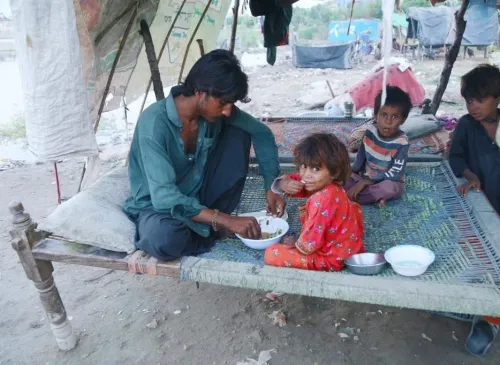
Within Pakistan, approximately 10.6 million people are experiencing acute food insecurity across 51 rural areas, with vulnerable communities particularly exposed to climate-related shocks. The share of households experiencing moderate or severe food insecurity rose sharply to 24.35 per cent in 2024–25, up from 15.92 per cent in 2018–19 — an increase of 8.43 percentage points that leaves nearly one in four households affected.
Severe food insecurity more than doubled over the same period, climbing to 5.04 per cent from 2.37 per cent, suggesting that around one in twenty households now faces the most serious level of food-access challenges.
Falling Consumption and Rising Prices
Consumption data from the report show that average monthly per-capita intake declined across key food categories — including wheat, rice, pulses, meat, eggs, and milk — between the two survey periods. Vegetable ghee was a notable exception, with consumption reportedly rising by about 81 per cent.
The economic pressure behind these trends is substantial. According to the report, Pakistan's national consumer price index surged from 121.6 in June 2019 to 264.2 in June 2025, according to the Pakistan Bureau of Statistics (PBS) — an increase of approximately 117 per cent over six years.
Climate Shocks Compounding the Crisis
Climate-related losses have added further strain by reducing agricultural output and earnings for rural households, according to the report. When incomes are already constrained, disruptions to crop production, livestock holdings, or market access can undermine both food availability and affordability simultaneously, deepening dependence on purchased food at a time when prices have more than doubled.
This comes amid a broader global trend in which humanitarian assistance budgets are reportedly shrinking even as the number of food-insecure people continues to rise — a gap that analysts warn could push the crisis further beyond the reach of emergency response systems.
Point of View
In one sense, a statistical artefact — it is there because of the sheer size of its population, not because hunger is proportionally more severe than in Yemen or South Sudan. But that distinction offers cold comfort: absolute numbers mean absolute suffering, and the domestic data tell a story of structural deterioration. A consumer price index that has more than doubled in six years, per-capita food consumption falling across nearly every basic category, and rural communities absorbing repeated climate shocks — these are not cyclical fluctuations. They are compounding failures of economic policy, climate adaptation, and social protection. The real question is whether the international community's shrinking humanitarian budgets will be redirected toward the structural fixes — agricultural investment, social safety nets, climate resilience — that emergency food aid cannot substitute for.
NationPress
19 Oct 2026
Frequently Asked Questions
Why is Pakistan listed among the top 10 countries in the global food crisis?
Pakistan is included because of the large absolute number of its people facing acute hunger, not because hunger is proportionally more severe there than in other listed nations. It is one of ten countries that together account for about 177 million of the 266 million people globally facing acute food insecurity.
How many people face acute food insecurity in Pakistan?
Approximately 10.6 million people are experiencing acute food insecurity across 51 rural areas in Pakistan, according to the report. Vulnerable communities in these regions are particularly exposed to climate-related shocks.
How has food insecurity in Pakistan changed over recent years?
The share of Pakistani households facing moderate or severe food insecurity rose to 24.35% in 2024–25 from 15.92% in 2018–19. Severe food insecurity more than doubled over the same period, from 2.37% to 5.04%.
What is driving the food crisis in Pakistan?
Three main factors are cited: economic pressures, including a 117% rise in the consumer price index between June 2019 and June 2025; climate shocks that have reduced agricultural output and rural incomes; and declining access to humanitarian assistance.
How does Pakistan's food crisis compare globally?
Globally, 266 million people across 47 countries face acute hunger — roughly double the number from a decade ago. Pakistan is one of ten countries, including Afghanistan, Nigeria, Sudan, and Yemen, that together account for about two-thirds of those affected.