Gadkari inaugurates Pratapgad fort replica in Nagpur
Synopsis
Union Minister Nitin Gadkari inaugurated a Pratapgad fort replica in Nagpur on November 9, 2026, at an event organised by Nagpur City Multistate Co-operative Credit Society and Killedar Pratishthan, calling it a praiseworthy initiative to bring Shivaji Maharaj's history to Maharashtra's youth.
Key Takeaways
Union Minister Nitin Gadkari inaugurated a replica of Pratapgad fort in Nagpur on November 9, 2026 .
The event was jointly organised by Nagpur City Multistate Co-operative Credit Society and Killedar Pratishthan .
The programme combined the replica inauguration with a folk-narrative ( lok aakhyan ) event on the life of Chhatrapati Shivaji Maharaj .
Gadkari described Shivaji Maharaj as 'our deity' and called the initiative 'highly praiseworthy and noteworthy.' Pratapgad fort in Satara district is historically significant as the site of the 1659 battle against Bijapur general Afzal Khan.
The initiative aims to bring Shivaji-era culture and history to younger generations in an accessible urban setting.
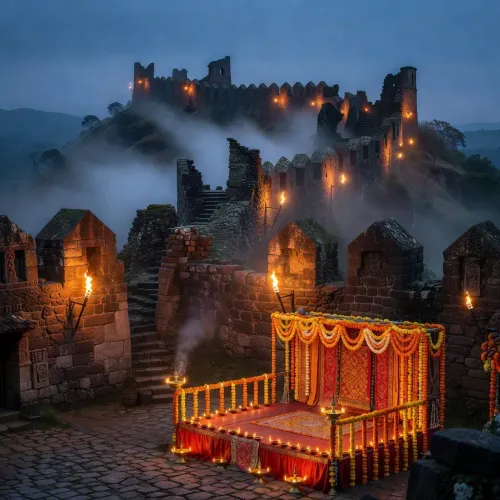
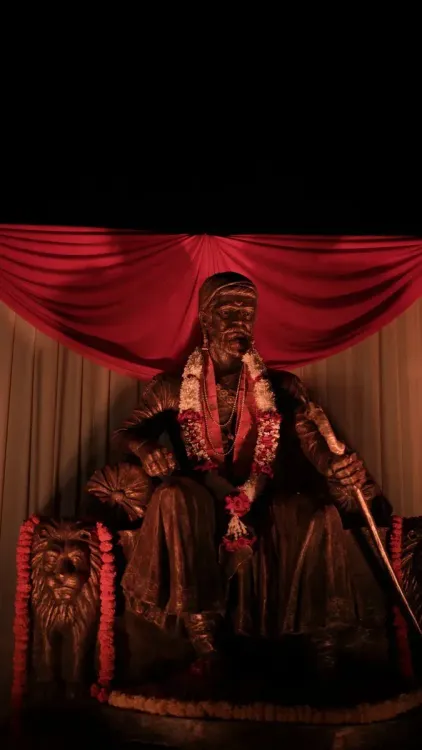
A replica of one of Maharashtra's most storied hill forts found a new home in Nagpur on Monday, November 9, 2026 — and Union Road Transport and Highways Minister Nitin Gadkari was there to mark the moment, calling the initiative 'highly praiseworthy and noteworthy' for bringing Chhatrapati Shivaji Maharaj's history to today's youth.
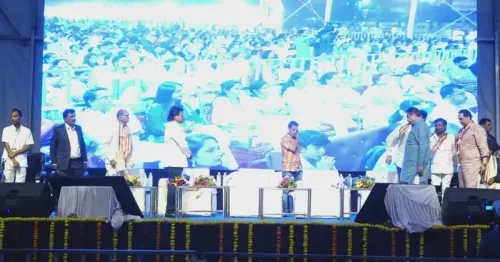
Addressing the inauguration ceremony of the Pratapgad fort replica — organised jointly by Nagpur City Multistate Co-operative Credit Society and Killedar Pratishthan — Gadkari spoke at a cultural programme that combined the replica unveiling with a folk-narrative event (lok aakhyan) rooted in the life and times of Shivaji Maharaj.
Gadkari's words on Shivaji Maharaj
'Chhatrapati Shivaji Maharaj is our deity,' Gadkari said, in Marathi. 'He was an ideal in every sense.' The minister underlined that the culture and history of Shivaji's era must reach today's younger generation — and that this fort replica and life-story narration project is precisely the kind of effort to make that happen.
Why Pratapgad carries such weight
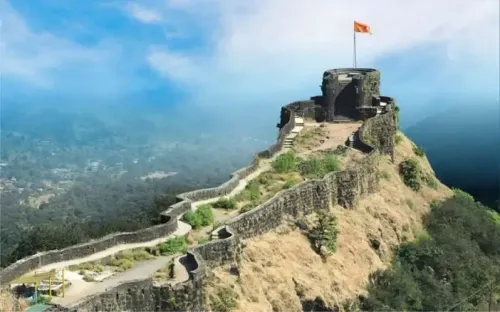
Pratapgad, the hill fort in Satara district, is not just brick and mortar in the Maharashtrian imagination. Built on Shivaji's orders, it became the site of the decisive 1659 battle against the Bijapur Sultanate's general Afzal Khan — a confrontation that cemented Shivaji's military legend and set the Maratha Empire on its rise. A physical replica in Nagpur puts that legend in a civic setting, accessible to schoolchildren and families who cannot make the trek to the Sahyadri range.
Fort replicas as cultural outreach in Maharashtra
Across Maharashtra, heritage organisations have long used fort replicas, folk performances and oral storytelling to keep Shivaji's legacy alive in urban spaces. Nagpur — the state's winter capital and Gadkari's home constituency — becomes another node in that living heritage network. Politicians from every major party attend such events; the shared reverence for Shivaji transcends political lines even as it carries obvious cultural capital.
For Gadkari, a Nagpur native who has built his public identity around the city, being present at an event that links local civil society to one of Maharashtra's founding narratives is a natural fit. The lok aakhyan format — story-telling rooted in folk tradition — adds an accessible, oral layer to what could otherwise be a static exhibit.
If the replica draws the crowds its organisers hope for, Nagpur may well see more such Shivaji-linked cultural installations — keeping a 17th-century general's story firmly in the 21st-century public square.
Point of View
And fort-linked events offer politicians a platform that is simultaneously civic, historical and deeply emotive. For Gadkari specifically, Nagpur is not just a constituency but an identity anchor, and associating with grassroots heritage organisations reinforces his local credibility beyond his national infrastructure portfolio. The lok aakhyan format — oral storytelling rooted in folk tradition — signals a deliberate pivot toward experiential, youth-facing heritage outreach rather than purely institutional commemoration. As Maharashtra marks various Shivaji-linked anniversaries, such replica and storytelling projects are likely to multiply across urban centres, raising the broader question of how physical heritage is democratised beyond the forts themselves.
NationPress
9 Nov 2026
Frequently Asked Questions
What is the Pratapgad fort replica inauguration in Nagpur?
It is a replica of the historic Pratapgad hill fort, inaugurated in Nagpur on November 9, 2026, by Union Minister Nitin Gadkari at an event organised by Nagpur City Multistate Co-operative Credit Society and Killedar Pratishthan, alongside a folk-narrative programme on Chhatrapati Shivaji Maharaj's life.
Where is the original Pratapgad fort located?
The original Pratapgad fort is located in Satara district, Maharashtra. It was built by Chhatrapati Shivaji Maharaj and is famous as the site of the 1659 battle in which Shivaji defeated Bijapur Sultanate general Afzal Khan.
What did Nitin Gadkari say about Chhatrapati Shivaji Maharaj?
Gadkari said, 'Chhatrapati Shivaji Maharaj is our deity. He was an ideal in every sense,' and praised the fort replica and life-story narration initiative for bringing Shivaji's culture and history to Maharashtra's youth.
What is a lok aakhyan programme?
A lok aakhyan is a folk-narrative or oral storytelling tradition in Maharashtra used to recount historical or mythological events; in this context it was used to narrate the life and legacy of Chhatrapati Shivaji Maharaj for audiences in Nagpur.
Why do Maharashtra politicians frequently attend Shivaji-related events?
Chhatrapati Shivaji Maharaj is revered across Maharashtra as a symbol of martial valour, just administration and regional identity. Attending events centred on his legacy is a way for politicians of all parties to signal cultural affinity and connect with Maharashtrian audiences.