Gadkari Marks a Decade of Road Reforms with GTA6 Viral Hook
Synopsis
Minister Nitin Gadkari used the viral GTA6 moment to highlight a decade of Indian road reforms — FASTag tolling, Bharatmala expressways, and the PM Gati Shakti master plan — framing transport modernisation as central to the Viksit Bharat 2047 vision.
Key Takeaways
Nitin Gadkari linked the global GTA VI buzz to India's road transformation in a post on 21 November 2026 .
FASTag , mandatory since December 2019 , replaced cash toll payments across all national highway plazas, cutting queue time and logistics costs.
Bharatmala Pariyojana , approved in 2015 , targets construction of 34,800 km of national highways and expressways.
PM Gati Shakti , launched in October 2021 , created a unified digital planning framework aligning road, rail, and port projects.
The post is part of the government's Viksit Bharat 2047 narrative, which ties transport upgrades to long-term economic growth targets.
The next policy frontier flagged is vehicle scrappage mandates and green fleet incentives under future budgets.
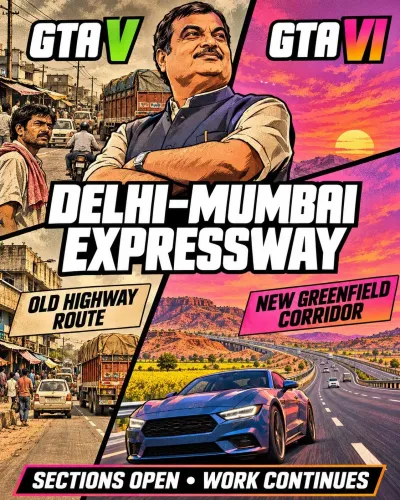
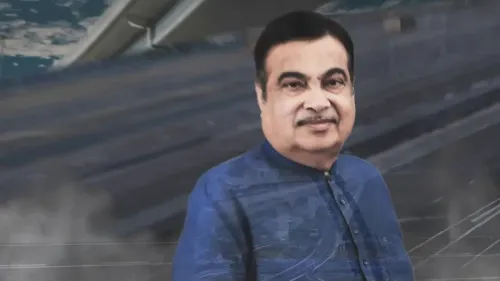
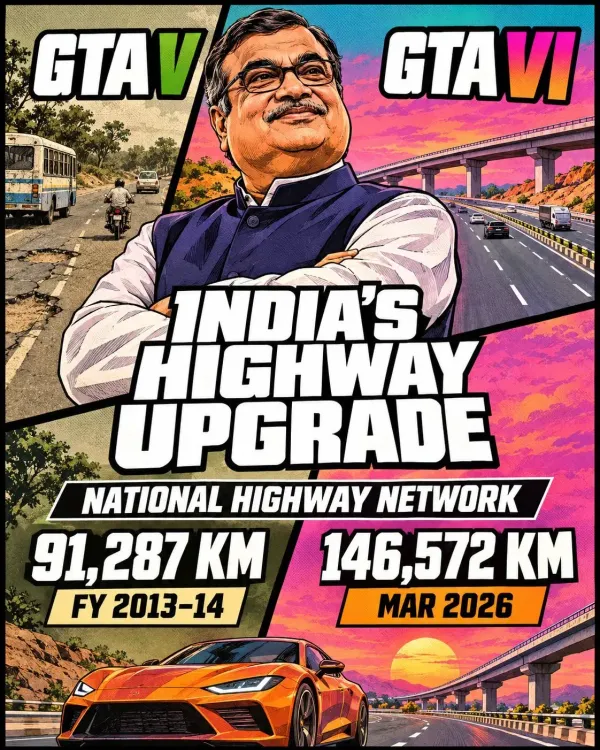
When the gaming world buzzes about GTA VI, Union Road Transport and Highways Minister Nitin Gadkari seized the moment to remind India — and the internet — just how much the country's roads have changed since the original game dropped. In a post on X on Saturday, 21 November 2026, Gadkari drew a sharp, witty line between two eras: 'Between GTA V and GTA VI, India went from potholes, cash tolls, and clunkers to world-class expressways, FASTag, and clean fleets!'
From Cash Queues at Toll Plazas to FASTag Nation
The centrepiece of that transformation is FASTag, the RFID-based electronic toll collection system that replaced cash payments at national highway toll plazas. Made mandatory for all vehicles from December 2019, FASTag eliminated the serpentine queues that once defined highway travel in India — cutting both fuel waste and travel time for millions of daily commuters and long-haul truckers alike.
For logistics operators, the shift was not cosmetic. Electronic tolling reduced dwell time at plazas, nudging down the cost of moving goods across the country — a metric that feeds directly into broader economic competitiveness.
Bharatmala's Expressway Blueprint and Gati Shakti's Grid
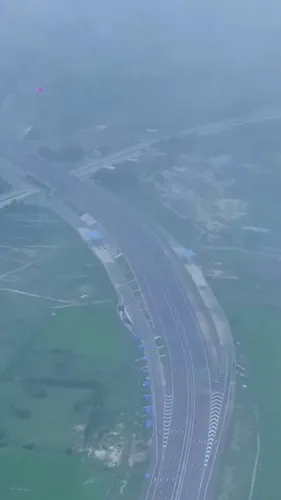
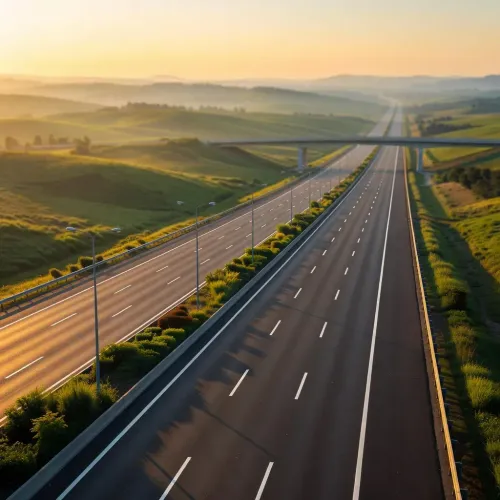
The physical backbone of the upgrade is Bharatmala Pariyojana, the umbrella highway programme approved in 2015 to construct 34,800 km of national highways and economic corridors. It has pushed four- and six-lane expressways into stretches of the country that once endured single-lane state roads.
Layered over that is PM Gati Shakti, the National Master Plan launched in October 2021 to end the silo problem — aligning road, rail, and port projects under a single digital planning canvas. The idea: build once, connect everything, avoid the classic Indian infrastructure paradox where a highway reaches a port with no last-mile link.
The 'Viksit Bharat' Frame and What Comes Next
Gadkari's post is tagged #ViksitBharat — 'Developed India' — the government's headline vision for 2047, India's centenary of independence. Transport modernisation is one of its load-bearing columns: lower logistics costs, faster goods movement, and cleaner vehicle fleets are all written into the plan's economic growth targets.
The next chapter to watch is the upcoming phase of Bharatmala corridors and any fresh mandates on vehicle scrappage or green fleet incentives. The 'clunkers to clean fleets' line in Gadkari's post hints at that unfinished agenda — ageing commercial vehicles still crowd Indian highways, and tightening scrappage or emission norms would be the logical next policy move.
India did not get world-class roads by accident. It got them by making the infrastructure ministry the government's most visible scoreboard — and Gadkari, tongue firmly in cheek about a video game, is making sure everyone still keeps score.
Point of View
The Ministry converts a decade of dry infrastructure statistics into shareable, emotionally resonant content. The GTA frame also quietly defines the government's preferred legacy metric — not rupees spent, but lived-experience improvement for the highway user. With the Bharatmala next phase and green fleet mandates approaching, the post reads as much as a political preview as a backward-looking celebration. It reinforces that road infrastructure remains the BJP's most electorally legible development credential ahead of any future national cycle.
NationPress
21 Nov 2026
Frequently Asked Questions
What is FASTag and why did Gadkari mention it?
FASTag is an RFID-based electronic toll collection system made mandatory at all national highway toll plazas in December 2019. Gadkari cited it as a symbol of India's shift away from cash-based, queue-heavy toll payments to seamless digital highway travel.
What is Bharatmala Pariyojana?
Bharatmala Pariyojana is an umbrella highway development programme approved in 2015 to build 34,800 km of national highways, expressways, and economic corridors across India.
What is PM Gati Shakti?
PM Gati Shakti is a National Master Plan launched in October 2021 that uses a unified digital platform to coordinate road, rail, and port projects across ministries, eliminating planning silos.
Why did Gadkari reference GTA V and GTA VI in his post?
Gadkari used the viral buzz around the GTA VI game release as a pop-culture timestamp to contrast where India's road infrastructure stood roughly a decade ago versus today, making a policy achievement story more relatable and shareable.
What is Viksit Bharat 2047 and how does road infrastructure fit into it?
Viksit Bharat 2047 is the central government's vision for a fully developed India by its centenary of independence. Transport modernisation — including expressways, digital tolling, and clean vehicle fleets — is a core pillar, as lower logistics costs directly support the plan's economic growth targets.