Gadkari Pitches India's Highway Boom With GTA VI Comparison
Synopsis
Union Minister Nitin Gadkari used the GTA VI map buzz to spotlight India's National Highways expansion, invoking Bharatmala Pariyojana and PM Gati Shakti as the policy engines behind what he calls an entirely new mobility ecosystem for the country.
Key Takeaways
Union Minister Nitin Gadkari compared India's highway expansion to GTA VI 's new map in a post dated 21 November 2026 .
Bharatmala Pariyojana (approved 2017 ) targets over 34,000 km of new highways and economic corridors.
PM Gati Shakti National Master Plan , launched October 2021 , integrates road, rail, and port planning on a single digital dashboard.
The #ViksitBharat hashtag links highway growth to the government's developed-India vision for 2047 .
Reducing India's historically high logistics costs as a share of GDP remains the core economic argument for National Highway investment.
Next Union Budget highway allocations will be a key indicator of whether expansion momentum continues.
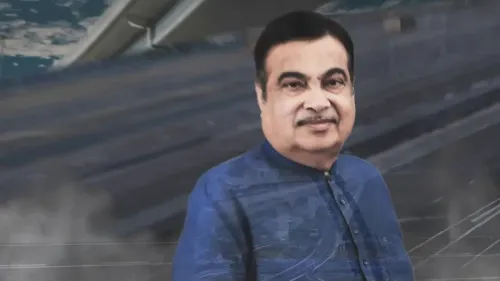
While the gaming world buzzes over a new map in GTA VI, Union Road Transport and Highways Minister Nitin Gadkari has a bigger build to talk about — an entirely new mobility ecosystem for India, powered by an expanding, world-class National Highways network. The minister made the comparison on Saturday, 21 November 2026, in a post that blended pop-culture wit with infrastructure ambition.
The GTA VI hook and what it's actually pointing at
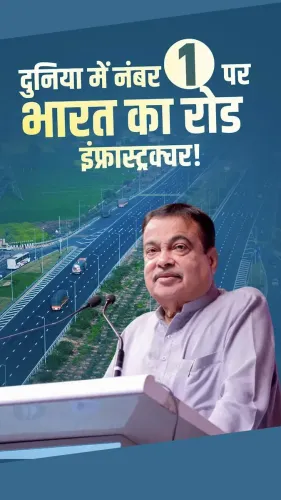
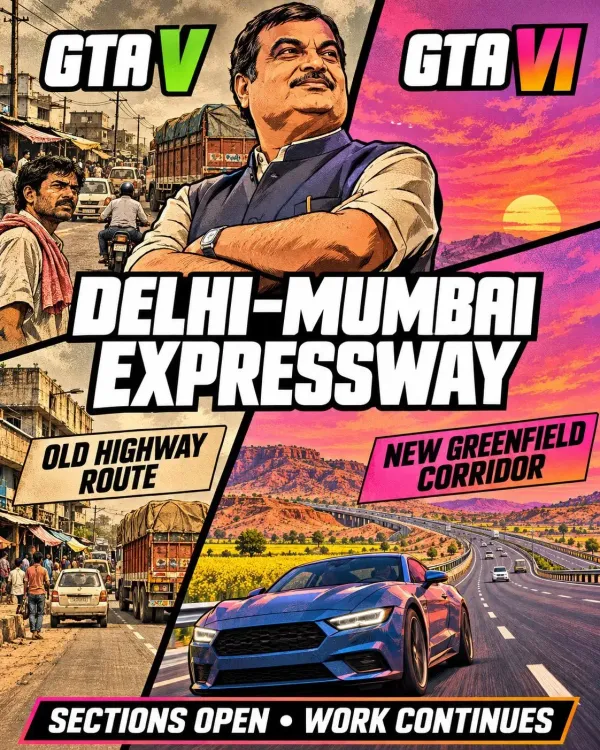
Gadkari's post reads: 'GTA VI gets a new map. India gets an entirely new mobility ecosystem, powered by a bigger, better and world-class National Highways network!' The analogy is deliberate — the minister is leaning on the global excitement around GTA VI's map reveal to draw attention to what his ministry frames as an equally transformative real-world redesign of India's road grid. It's a rare moment of digital-culture fluency from a cabinet minister whose portfolio is typically narrated in kilometres and crores.
The post is tagged with #GatiShakti, #PragatiKaHighway, and #ViksitBharat — three pillars of the government's infrastructure communication strategy. Each hashtag maps to a distinct policy layer: the PM Gati Shakti National Master Plan, the highway-corridor expansion drive, and the broader Viksit Bharat 2047 vision of a developed India.
The policy architecture behind the metaphor
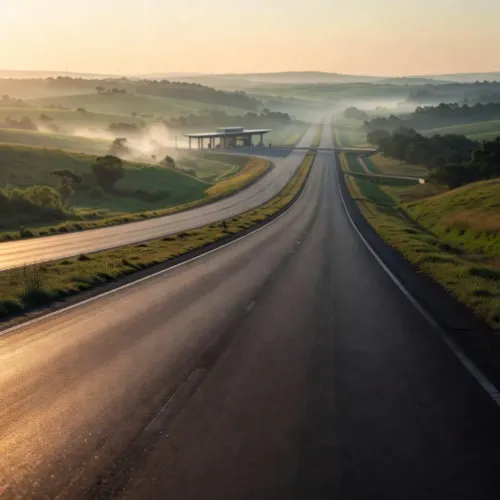
The reference to a 'new mobility ecosystem' sits on top of a substantial policy foundation. Bharatmala Pariyojana, approved in 2017, set a target of developing over 34,000 km of highways and economic corridors — one of the largest road-construction programmes India has ever sanctioned. The PM Gati Shakti National Master Plan, launched in October 2021, added a coordination layer, integrating road, rail, and port projects under a single digital dashboard to cut project delays and logistics costs.
Gadkari has led the Road Transport and Highways Ministry through consecutive terms, making him one of the longest-serving and most identified faces of India's highway build-out. The ministry's output — in lane kilometres constructed per year — has been cited repeatedly in budget documents and government communications as a headline achievement of the current dispensation.
Why logistics costs are the real scoreboard
The 'mobility ecosystem' framing is not just rhetorical. Policymakers have long argued that India's logistics costs — historically high as a share of GDP compared to peer economies — are directly linked to road quality and connectivity. A denser, faster highway network shortens transit times, reduces fuel burn, and lowers the cost of moving goods from farm or factory to market. Every corridor added under Bharatmala is, in theory, a compression of that cost curve.
The #GatiShakti dashboard, which tracks project progress across ministries, is designed to make those gains measurable and publicly visible. Whether the 'entirely new mobility ecosystem' has fully arrived is a question the next Union Budget's highway allocation — and independent logistics-cost data — will help answer.
India's highway map may not have the cinematic drama of a video-game reveal. But if the corridors deliver, the real-world respawn point for the country's logistics economy could look very different indeed.
Point of View
The ministry reaches a younger, digitally native audience that may tune out conventional infrastructure announcements. The move reinforces a long-standing political strategy — positioning road construction not as a technocratic target but as a civilisational transformation, the 'Viksit Bharat' narrative given a modern vernacular. The GTA VI comparison also implicitly challenges the perception that India's infrastructure story is slow or incremental, asserting instead that the scale of change is immersive and total. With budget season approaching, the post functions as both a communication win and an advance claim on continued capital expenditure for highways.
NationPress
21 Nov 2026
Frequently Asked Questions
What is Bharatmala Pariyojana and how many kilometres does it cover?
Bharatmala Pariyojana is a central government highway development programme approved in 2017 that targets the construction of over 34,000 km of national highways and economic corridors to improve freight and passenger movement across India.
What is PM Gati Shakti and what does it do?
PM Gati Shakti is a National Master Plan launched in October 2021 that uses a digital dashboard to coordinate infrastructure projects — roads, railways, and ports — across multiple central ministries, aiming to cut delays and reduce logistics costs.
Why did Nitin Gadkari reference GTA VI in his post?
Gadkari used the global excitement around GTA VI 's new map as a cultural hook to draw attention to India's National Highways expansion, framing it as an equally large-scale real-world 'map' redesign of India's mobility infrastructure.
What is Viksit Bharat and how does it relate to highways?
Viksit Bharat is the government's vision for a fully developed India by 2047 . National highway expansion and logistics-cost reduction are cited as core enabling pillars of that long-term economic development goal.
How do better national highways reduce logistics costs in India?
Wider, better-connected highways cut transit times, lower fuel consumption for freight vehicles, and reduce wear-and-tear costs — all of which compress India's logistics expenditure as a share of GDP, making domestic goods more price-competitive.