Gadkari pays tribute to Rani Lakshmibai on Balidan Divas
Synopsis
Union Minister Nitin Gadkari marked Rani Lakshmibai's Balidan Divas on 21 June 2026, saluting the queen of Jhansi as a symbol of Nari Shakti who sacrificed her life fighting British rule in the 1857 uprising. The tribute was timed to the traditional lunar tithi.
Key Takeaways
Nitin Gadkari posted a tribute to Rani Lakshmibai on 21 June 2026 marking her Balidan Divas , observed by lunar tithi.
He described her as a 'symbol of Nari Shakti ' who sacrificed her life against the British empire in the freedom struggle.
Rani Lakshmibai was the queen of Jhansi and a leading figure in the 1857 uprising , officially recognised as the First War of Independence since 1957.
The tribute aligns with a broader pattern of senior BJP leaders marking 1857 anniversaries to connect governance with anti-colonial heritage narratives.
State events in Uttar Pradesh and Madhya Pradesh , particularly in Jhansi and Gwalior , are expected around the anniversary period.
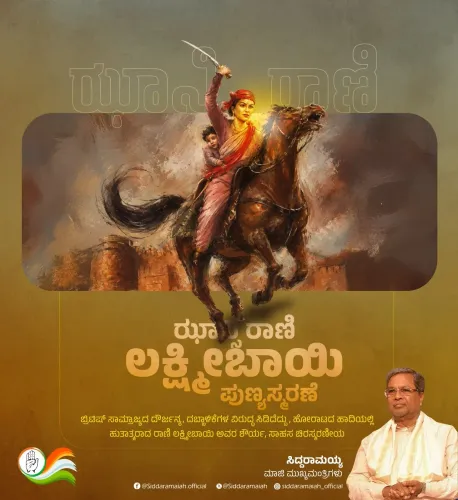
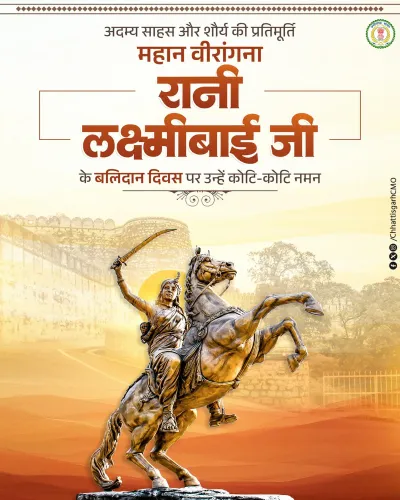
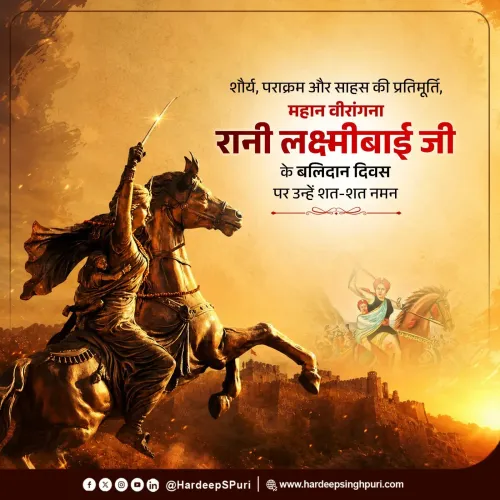
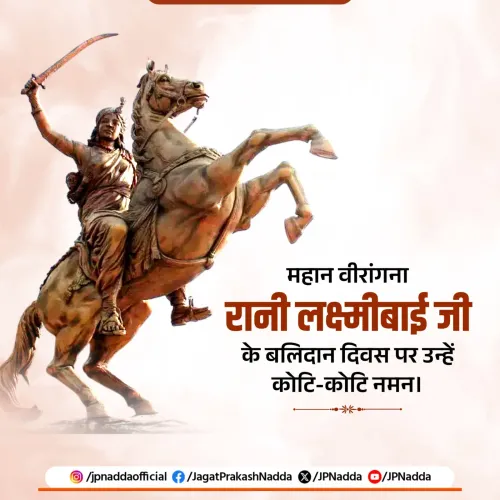
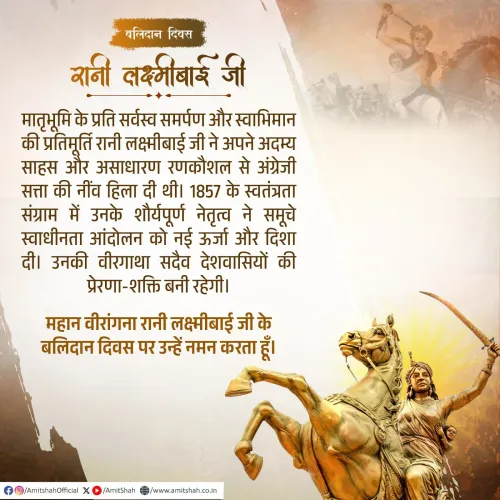
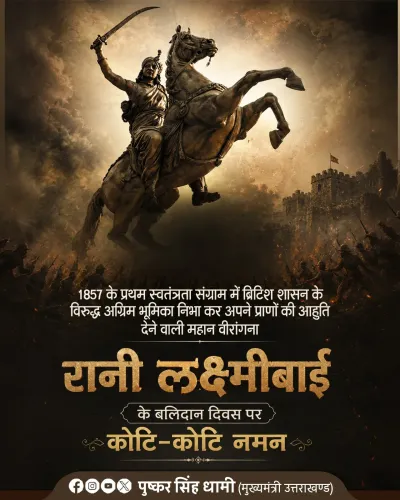
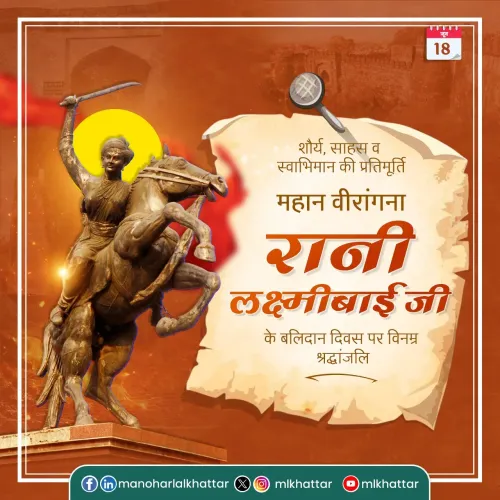
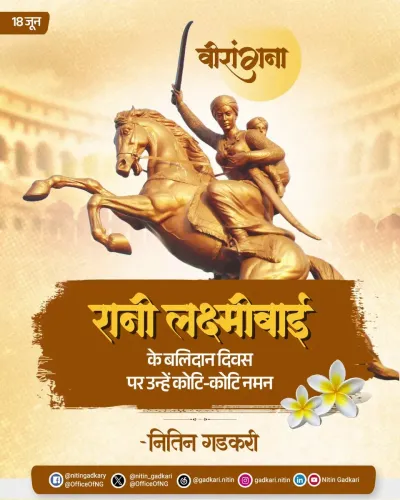
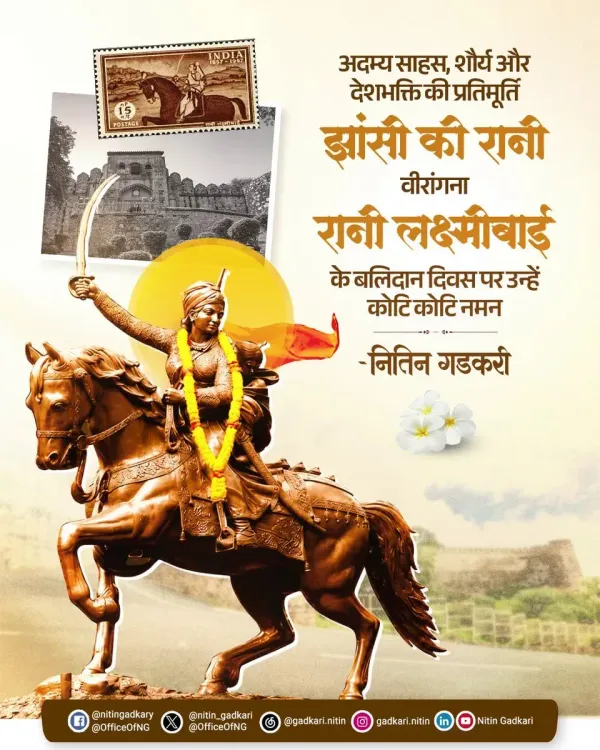
Union Road Transport and Highways Minister Nitin Gadkari on Sunday, 21 June 2026 paid homage to Rani Lakshmibai of Jhansi on her Balidan Divas (martyrdom anniversary, observed by lunar tithi), honouring her as a symbol of women's power and anti-colonial sacrifice.
In his post on X, Gadkari wrote: 'Koti koti naman' (countless salutations) to the 'valiant queen of the Jhansi empire, a symbol of Nari Shakti, who laid down her life in the freedom struggle against the British empire to defend the nation and the motherland.' The tribute was explicitly timed to the lunar date (tithi anusar), in keeping with traditional commemorative practice.
Context
Rani Lakshmibai (born Manikarnika Tambe, c. 1828) was the queen of the princely state of Jhansi, located in present-day Uttar Pradesh. She became one of the foremost leaders of the 1857 uprising against the East India Company, which Indian official historiography has described as the First War of Independence since 1957. She died in battle near Gwalior, and her martyrdom has since been commemorated annually.
Her legacy has endured across political traditions as a defining emblem of courage, sovereignty, and women's leadership in the national imagination. Statues, institutions, and public squares across India bear her name, and her story features prominently in school curricula.
Policy Backdrop
The Government of India has formally recognised the 1857 revolt as the First War of Independence in national curricula and official commemorations for nearly seven decades. Senior leaders across the political spectrum mark the death anniversaries of 1857 figures as occasions to reinforce narratives of anti-colonial sacrifice and national unity.
BJP leaders in particular have consistently used such anniversaries to draw a line of continuity between the freedom struggle and contemporary governance priorities. Gadkari, a senior party figure and former BJP national president, has a record of public messaging that weaves national heritage themes alongside his infrastructure portfolio.
Stakeholders and Impact
The tribute resonates with women's organisations, historians, and citizens who regard Rani Lakshmibai as a foundational figure in India's national identity. Her legacy is especially significant in Uttar Pradesh and Madhya Pradesh, the two states most closely associated with the geography of the 1857 uprising.
For the ruling party, commemorations of this kind reinforce its positioning as a custodian of national heritage and Nari Shakti (women's empowerment) — a theme that has featured prominently in government messaging in recent years.
What's Next
State governments in Uttar Pradesh and Madhya Pradesh are expected to hold official events around the 1857 anniversary period, with Jhansi and Gwalior typically serving as focal points for memorial gatherings. Observers will watch for any new infrastructure dedications, memorial projects, or educational initiatives linked to Rani Lakshmibai's legacy in the coming weeks.
As India's commemorative calendar around 1857 grows more prominent in official programming, tributes from Union ministers signal continued federal-level attention to anti-colonial memory as a pillar of national identity.
Point of View
Part of a well-established BJP pattern of anchoring the party's identity to the memory of 1857 leaders. By invoking Nari Shakti, the post also taps into a recurring government messaging theme that links historical women's heroism to contemporary women's empowerment policy. Such commemorations serve a dual function: reinforcing cultural nationalism and signalling continuity between anti-colonial sacrifice and the current ruling dispensation. The lunar-tithi framing adds a layer of traditional authenticity that appeals to the party's core voter base.
NationPress
21 Jun 2026
Frequently Asked Questions
When is Rani Lakshmibai's Balidan Divas observed?
Rani Lakshmibai's Balidan Divas is traditionally observed according to the Hindu lunar calendar (tithi). The solar calendar date can vary each year; in 2026 Gadkari's tribute was posted on 21 June.
Who was Rani Lakshmibai?
Rani Lakshmibai was the queen of the princely state of Jhansi in present-day Uttar Pradesh. She led armed resistance against British forces during the 1857 uprising and is regarded as one of India's foremost symbols of courage and women's leadership.
What is the significance of the 1857 revolt in Indian history?
The 1857 revolt was a widespread uprising against East India Company rule. Since 1957, the Government of India has officially recognised it as the First War of Independence in national curricula and commemorations.
Why did Nitin Gadkari pay tribute to Rani Lakshmibai?
Gadkari paid tribute on her Balidan Divas, the annual commemoration of her martyrdom. Senior BJP leaders regularly mark such anniversaries to honour freedom fighters and connect contemporary governance with India's anti-colonial heritage.
What events are held on Rani Lakshmibai's Balidan Divas?
Official and public commemorative events are typically held in Jhansi and Gwalior — cities closely associated with her life and death — with state governments in Uttar Pradesh and Madhya Pradesh usually organising memorial gatherings.