Gati Shakti cargo terminals draw ₹10,000 crore private investment, 142 GCTs commissioned
Synopsis
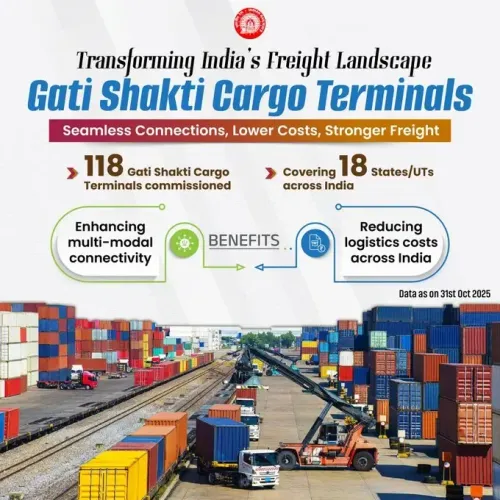
India's Gati Shakti cargo terminal policy has quietly pulled in ₹10,000 crore in private capital and commissioned 142 multimodal freight hubs — with 310 more in the pipeline. The programme is reshaping rail freight economics by cutting first- and last-mile costs and nudging industries away from road transport, with Odisha, Rajasthan, and Andhra Pradesh leading the state-wise rollout.
Key Takeaways
The Gati Shakti Multi-Modal Cargo Terminal (GCT) policy has attracted approximately ₹10,000 crore in private investment.
142 GCTs have been commissioned with a combined rail freight capacity of 224 million tonnes per annum .
In-principle approvals have been granted for 310 additional GCTs across the country.
Odisha leads state-wise with 12 operational terminals and approvals for 36 more; Rajasthan has 10 with 15 more approved.
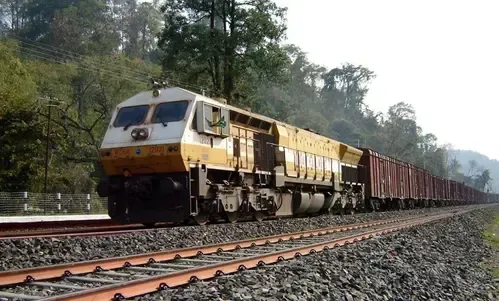
The policy supports a modal shift of freight from road to rail, reducing logistics costs for sectors including cement, steel, agriculture , and mining .
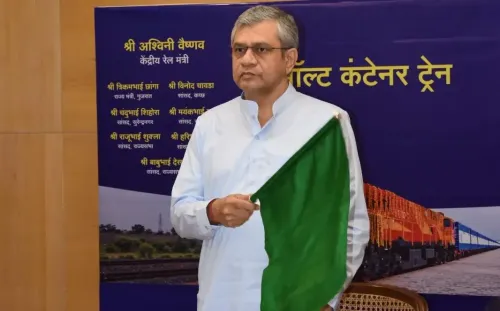
Railway Minister Ashwini Vaishnaw disclosed the figures in the Lok Sabha on 23 July .
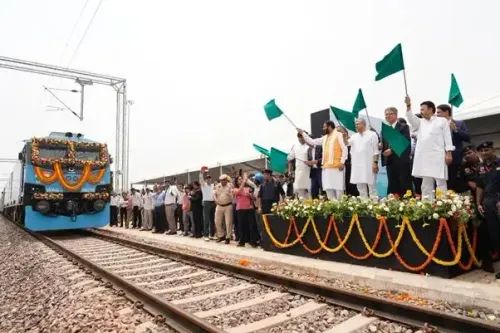
The government's Gati Shakti Multi-Modal Cargo Terminal (GCT) policy has mobilised private investment of approximately ₹10,000 crore, Railway Minister Ashwini Vaishnaw informed the Lok Sabha on Thursday, 23 July. A total of 142 GCTs have been commissioned to date, collectively providing a rail freight handling capacity of 224 million tonnes per annum.
Scale of Expansion
Beyond the operational terminals, in-principle approvals have been granted for an additional 310 GCTs, signalling a significant pipeline of infrastructure yet to come online. Site selection is determined by industry demand, potential cargo traffic volumes, existing railway infrastructure, and the broader logistics potential of each area, according to the minister.
The policy has enabled the creation of warehousing facilities, silos, cold storage units, and other value-added logistics infrastructure — bringing modern cargo-handling closer to production and consumption centres. This proximity is designed to cut first-mile and last-mile logistics costs while improving wagon turnaround times.
Commodities and Sectors Served
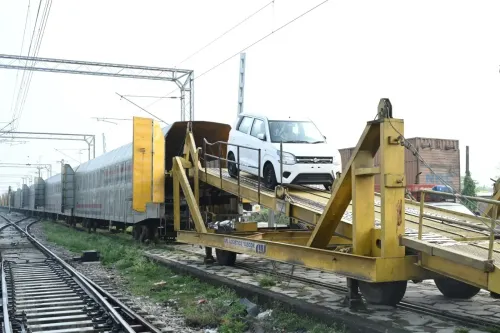
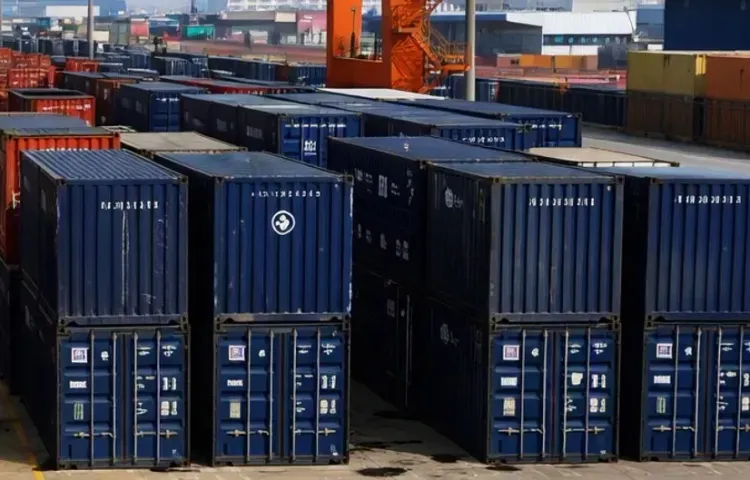
The GCT network handles a wide spectrum of commodities, including cement, steel, foodgrains, fertilisers, coal, fly ash, minerals, containers, automobiles, and agricultural produce — covering both bulk and non-bulk freight. Key beneficiary sectors include cement, steel, power, mining, agriculture, logistics, and manufacturing.
Notably, the policy has also facilitated a modal shift of freight from road to rail, reducing highway congestion and lowering per-tonne logistics costs for industries that previously had limited rail access.
State-wise Distribution
Odisha leads with 12 commissioned GCTs and in-principle approvals for 36 more locations. Rajasthan has 10 operational terminals with approvals for 15 additional sites. Andhra Pradesh and Madhya Pradesh each have 5 commissioned GCTs, with approvals for 14 and 19 more locations respectively.
Bihar has 5 functioning terminals with approvals for 8 more, while Karnataka has 4 operational GCTs with approvals granted for another 18 locations, the minister added.
Broader Economic Impact
The GCT programme is credited with generating employment and promoting regional economic development, particularly in agricultural belts and mining zones where rail freight access was previously constrained. By improving rail connectivity for local industries and farmers, the policy aims to enhance the competitiveness of domestic supply chains against road-dominated logistics corridors.
With 310 more terminals in the approvals pipeline, the full buildout of the GCT network will be a key indicator of whether India's freight modal-shift ambitions translate into measurable logistics cost reductions across the economy.
Point of View
000 crore private investment figure is notable, but the more revealing number is the 310 terminals still in the approvals pipeline — a sign that demand is outpacing commissioning capacity. The real test of the GCT policy is not terminal count but freight diversion: whether road-dependent industries in cement, steel, and agriculture are actually shifting tonnage to rail, and at what cost saving. India's logistics costs as a share of GDP remain among the highest in major economies, and multimodal infrastructure alone cannot fix pricing distortions that still favour road haulage. The state-wise skew — Odisha and Rajasthan leading — also reflects mineral and bulk commodity demand rather than manufacturing or agricultural diversity, raising questions about whether the network is serving India's full freight geography or concentrating around existing rail-friendly cargo types.
NationPress
22 Oct 2026
Frequently Asked Questions
What is the Gati Shakti Multi-Modal Cargo Terminal policy?
The Gati Shakti Multi-Modal Cargo Terminal (GCT) policy is a government initiative to develop modern multimodal freight terminals closer to production and consumption centres, improving rail connectivity for industries, farmers, and commodity traders. It has so far attracted approximately ₹10,000 crore in private investment and commissioned 142 terminals with a 224 million tonne annual handling capacity.
How many Gati Shakti cargo terminals have been commissioned so far?
As of 23 July, 142 GCTs have been commissioned across India, with in-principle approvals granted for 310 more. Railway Minister Ashwini Vaishnaw disclosed these figures in the Lok Sabha.
Which states have the most Gati Shakti cargo terminals?
Odisha leads with 12 commissioned GCTs and approvals for 36 more. Rajasthan has 10 operational terminals with 15 more approved. Andhra Pradesh and Madhya Pradesh each have 5 commissioned terminals, while Bihar has 5 and Karnataka has 4.
What commodities do Gati Shakti cargo terminals handle?
GCTs handle a broad range of commodities including cement, steel, foodgrains, fertilisers, coal, fly ash, minerals, containers, automobiles, and agricultural produce, covering both bulk and non-bulk freight categories.
How do Gati Shakti terminals benefit farmers and industries?
The terminals reduce first-mile and last-mile logistics costs by bringing rail freight infrastructure closer to production and consumption centres. They also provide access to warehousing, cold storage, and silos, improving the competitiveness of local industries and agricultural supply chains while supporting a shift of freight from road to rail.