MMDR Amendment Bill: Gehlot warns Rajasthan risks losing ₹10,394 crore mineral revenue
Synopsis
Ashok Gehlot's broadside against the MMDR Amendment Bill is more than Opposition noise — it zeroes in on a specific provision, Section 9D, that could extinguish unpaid state mineral levies and lock in those losses permanently. With Rajasthan's ₹10,394 crore mining revenue and 30 lakh jobs on the line, the real question is whether the BJP-governed state will break ranks with the Centre to protect its own fiscal interests.
Key Takeaways
Ashok Gehlot urged the Bhajan Lal Sharma government on 11 August to oppose the MMDR Amendment Bill in Parliament.
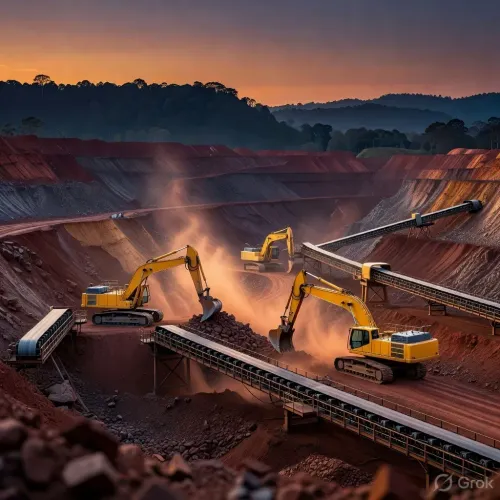
Rajasthan has 34,445 mines , earns roughly ₹10,394 crore annually from mining, and employs around 30 lakh people in the sector.
The proposed Section 9D could prevent states from recovering outstanding mineral levies imposed before the amendment takes effect.
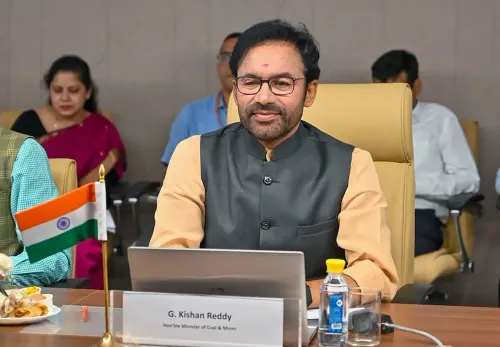
Union Mines Minister G.
Kishan Reddy introduced the bill in the Lok Sabha ; it expands Central authority over mineral-bearing land.
Gehlot compared the bill to GST , alleging both reforms reduced states' fiscal autonomy despite promises of uniformity.
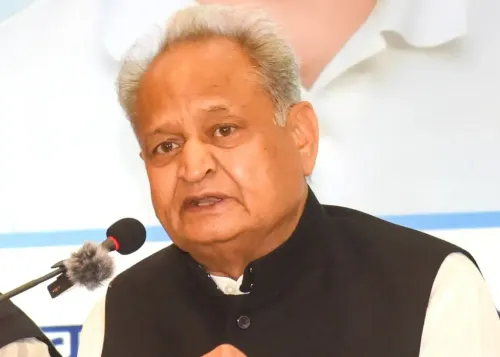
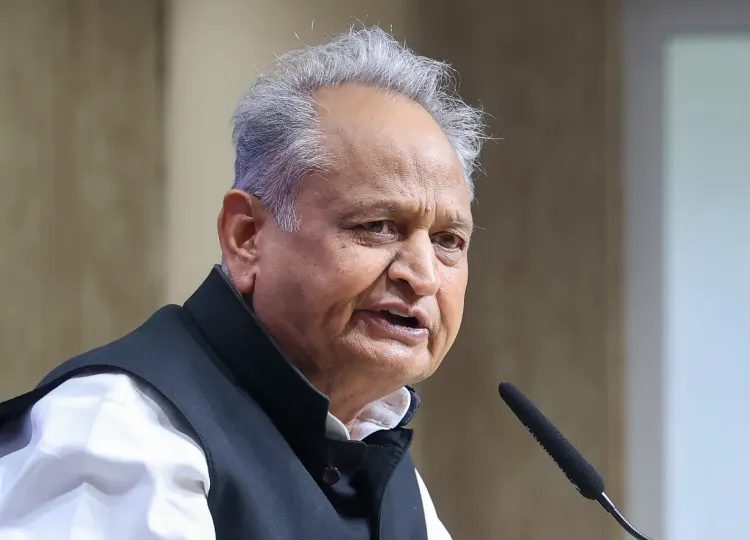
Senior Congress leader and former Rajasthan Chief Minister Ashok Gehlot on Tuesday, 11 August urged the Bhajan Lal Sharma-led state government to formally oppose the proposed Mines and Minerals (Development and Regulation) Amendment Bill (MMDR Amendment Bill) in Parliament, warning that the legislation could strip Rajasthan of significant control over its mineral wealth and associated revenues.
Gehlot's Core Warning
In a post on social media platform X, Gehlot alleged that the Central government is seeking to consolidate greater authority over mineral-rich land and the taxes, royalties, and cesses linked to mineral resources. He cautioned that the Bhajan Lal Sharma government's silence on the matter could amount to a 'betrayal' of Rajasthan's mineral revenue and the employment it sustains.
Gehlot pointed out that Rajasthan operates 34,445 mines, generates approximately ₹10,394 crore in annual revenue from the mining sector, and provides livelihoods to around 30 lakh people.
The Disputed Provision: Section 9D
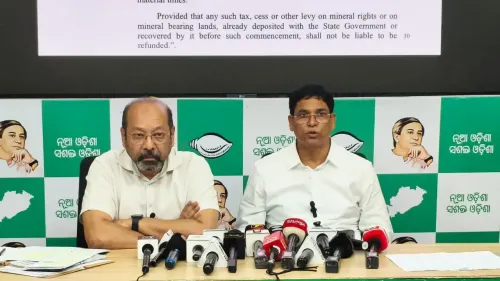
Gehlot specifically criticised the proposed Section 9D of the amendment, which, according to him, would prevent states from recovering certain outstanding tax, cess, or levy dues imposed on mineral rights or mineral-bearing land before the amended provisions come into force. He alleged this could result in revenue that would otherwise accrue to states being effectively written off.
Notably, the proposed framework also specifies that amounts already deposited or collected would not need to be refunded — leaving states in a position where past dues may be extinguished without compensation.
What the Bill Proposes
Union Mines Minister G. Kishan Reddy recently introduced the MMDR Amendment Bill in the Lok Sabha. The legislation seeks to regulate the imposition of taxes, royalties, cesses, and other levies on mineral rights and mineral-bearing land. Under the proposed framework, the Central government would have broader authority to prescribe conditions and restrictions relating to such levies.
The bill also expands the regulatory ambit beyond mines and minerals to include mineral-bearing land — a significant structural shift from the existing framework, which primarily focuses on mine development.
Gehlot's GST Comparison
Gehlot drew a parallel with the introduction of the Goods and Services Tax (GST), arguing that the promise of a uniform tax structure had previously resulted in financial losses for states. 'This is not an administrative reform,' he said, alleging that the proposed changes could make states increasingly dependent on the Centre.
What Rajasthan's Government Must Do, Says Gehlot
Gehlot has called on the Rajasthan government to take a clear and immediate public position against the bill, stressing the importance of protecting the state's mineral revenue, economic interests, and the approximately 30 lakh jobs linked to the mining sector. As the bill moves through Parliament, the Bhajan Lal Sharma government's response — or continued silence — will be closely watched by both industry and Opposition.
Point of View
Effectively conceding the ground Gehlot is defending on its behalf.
NationPress
26 Sept 2026
Frequently Asked Questions
What is the MMDR Amendment Bill and why is it controversial?
The Mines and Minerals (Development and Regulation) Amendment Bill, introduced in the Lok Sabha by Union Mines Minister G. Kishan Reddy, seeks to give the Central government greater authority to regulate taxes, royalties, cesses, and levies on mineral rights and mineral-bearing land. Critics, including Ashok Gehlot, argue it curtails states' fiscal autonomy over their own mineral resources.
What is Section 9D and why does Gehlot oppose it?
The proposed Section 9D would prevent states from recovering certain outstanding mineral levies imposed before the amendment takes effect, while also specifying that already-collected amounts need not be refunded. Gehlot argues this could permanently extinguish revenue that rightfully belongs to states like Rajasthan.
How much does Rajasthan earn from mining and how many jobs does the sector support?
According to Gehlot, Rajasthan generates approximately ₹10,394 crore in annual revenue from its 34,445 mines and the sector employs around 30 lakh people. He has warned that the MMDR Amendment Bill could jeopardise both the revenue and the employment linked to the sector.
Why did Gehlot compare the MMDR Amendment Bill to GST?
Gehlot drew the parallel to argue that Central reforms framed as administrative or tax-uniformity measures have historically reduced states' financial autonomy. He alleged that GST, despite its stated benefits, resulted in fiscal losses for states — and warned the MMDR amendment could follow the same pattern.
What has Gehlot asked the Rajasthan government to do?
Gehlot has called on the Bhajan Lal Sharma-led Rajasthan government to immediately raise its voice against the MMDR Amendment Bill in Parliament, warning that continued silence could amount to a betrayal of the state's mineral revenue and the livelihoods of 30 lakh people employed in the mining sector.