CM Pema Khandu: 110 Geku Households Sign Siang Project MoU
Synopsis
Arunachal Pradesh Chief Minister Pema Khandu announced on June 6, 2026, that 110 households from Geku signed an MoU supporting the Pre-Feasibility Report for the Siang Upper Multipurpose Project — a strategic dam initiative aimed at hydropower generation and protection against upstream water threats from China.
Key Takeaways
110 households from Geku in Upper Siang district signed an MoU supporting the Pre-Feasibility Report for the Siang Upper Multipurpose Project on June 6, 2026 .
CM Pema Khandu framed the project as both an energy initiative and a strategic buffer against unregulated water discharges from upstream infrastructure in China .
Deputy CM Chowna Mein , Adviser Ninong Ering , and MLA Oni Panyang of Mariyang-Geku were credited with facilitating the community consent process.
The MoU signing is a formal step in the standard clearance pathway for large hydropower projects in Arunachal Pradesh .
Arunachal Pradesh holds an estimated 50 GW of hydropower potential, and the Siang basin is central to India's strategic infrastructure agenda on its northern border.
Completion of the Pre-Feasibility Report is expected to trigger the next phase of feasibility studies and environmental clearances.
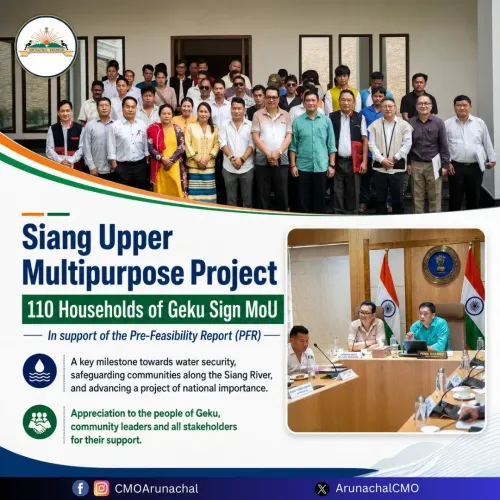
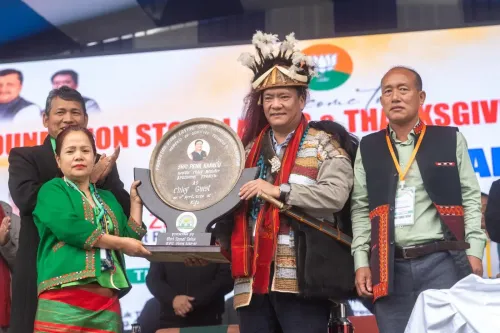
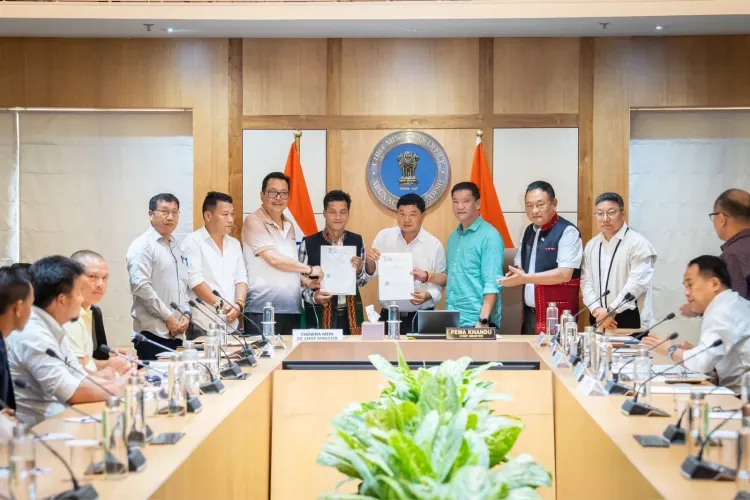
Arunachal Pradesh Chief Minister Pema Khandu announced on Saturday, June 6, 2026, that 110 households from Geku in Upper Siang district have signed a Memorandum of Understanding in support of the Pre-Feasibility Report for the Siang Upper Multipurpose Project, marking a significant milestone in the project's community-consent process.
Context
The MoU signing represents a formal step in the clearance pathway for the Siang Upper Multipurpose Project, a proposed dam on the Siang river in Arunachal Pradesh. Local consent through such agreements is a standard requirement before pre-feasibility reports can advance toward full feasibility studies and eventual regulatory approvals. CM Khandu praised the participating families, stating that 'every citizen who supports a project of national importance is a partner in nation-building.'
The Chief Minister extended congratulations to the 110 Geku households, calling their participation an act of 'tremendous courage and vision.' He also acknowledged the role of Deputy Chief Minister Chowna Mein, Ninong Ering — Adviser to the Minister-in-Charge of the Department of Hydro Power Development (DHPD) — MLA Oni Panyang of the Mariyang-Geku constituency, community leaders, and elders in reaching this milestone.
Policy Backdrop
The Siang Upper Multipurpose Project is positioned not only as a hydropower initiative but explicitly as a strategic infrastructure measure. CM Khandu stated the project is 'about protecting the Siang and the communities living along its banks from any potential threat arising from unregulated or sudden water discharges by a country to our north' — a clear reference to upstream activity by China on the Brahmaputra-Yarlung Tsangpo river system.
Arunachal Pradesh holds an estimated 50 gigawatts of hydropower potential, and India has pursued multiple run-of-river and storage projects in the state since the 2000s. These efforts have gained renewed urgency amid recurring concerns over China's upstream dam-building on the Brahmaputra basin and longstanding disputes over hydrological data sharing between the two countries.
Stakeholders and Impact
For the Geku community and broader Siang valley residents, the project carries dual significance: economic benefit through power generation and a degree of protection against sudden, unregulated water surges from upstream. The MoU signing process reflects the government's effort to build grassroots legitimacy for a project that will significantly alter the local landscape and livelihoods.
The involvement of senior political figures — including Deputy CM Chowna Mein and Adviser Ninong Ering — signals that the project enjoys broad backing across the ruling coalition in the state. Local MLA Oni Panyang's participation underscores that constituency-level outreach was central to securing community consent.
What's Next
The completion of the Pre-Feasibility Report will be a key near-term milestone, potentially paving the way for a full feasibility study and subsequent environmental and wildlife clearances from the Ministry of Environment. Additional MoU signings from other villages along the Siang corridor are expected as the consultation process widens.
With strategic and energy imperatives both in play, the pace of downstream approvals for the Siang Upper Multipurpose Project will be closely watched as a barometer of India's resolve to assert its infrastructure agenda in a sensitive border state.
Point of View
Demonstrating that the ruling coalition in Arunachal Pradesh can deliver grassroots consent for a project that carries both economic and national-security weight. By explicitly invoking the threat from 'a country to our north,' CM Khandu is linking local development politics to the broader India-China strategic rivalry over the Brahmaputra basin — a framing that strengthens the project's case in New Delhi as much as in Itanagar. The visible involvement of senior state leaders signals that the BJP government is treating community consent not as a bureaucratic hurdle but as a political asset. This approach could set a template for accelerating clearances on other contested hydropower projects across the northeast.
NationPress
21 Oct 2026
Frequently Asked Questions
What is the Siang Upper Multipurpose Project?
The Siang Upper Multipurpose Project is a proposed large dam on the Siang river in Arunachal Pradesh , designed for hydropower generation and to serve as a strategic water buffer against unregulated upstream discharges from China .
Why did Geku households sign an MoU for the Siang project?
The MoU signing by 110 Geku households on June 6, 2026 , formally expresses community support for the Pre-Feasibility Report, a required step in the regulatory clearance process for large hydropower projects in India.
What is the China angle in the Siang Upper Multipurpose Project?
CM Pema Khandu stated that the project is intended to protect Siang valley communities from potential threats arising from 'unregulated or sudden water discharges' by a country to India's north, referring to China's upstream dam and diversion activities on the Yarlung Tsangpo-Brahmaputra river.
Who is Ninong Ering and what is his role in the Siang project?
Ninong Ering serves as Adviser to the Minister-in-Charge of the Department of Hydro Power Development (DHPD) in Arunachal Pradesh and was acknowledged by CM Khandu for his role in facilitating the community MoU signing in Geku .
What happens after the Pre-Feasibility Report for the Siang project?
Once the Pre-Feasibility Report is completed and supported by community MoUs, the project is expected to progress to a full feasibility study, followed by environmental and wildlife clearances from the Ministry of Environment before construction can begin.