Could the Visit of German Chancellor Accelerate the India-EU FTA?
Synopsis
India and the EU are close to finalizing a landmark Free Trade Agreement that could revolutionize trade relations. German Chancellor Friedrich Merz's recent visit underscores Germany's push for this critical deal, which aims to enhance trade, investment, and green technology ties. With potential access to 450 million consumers, Indian exporters stand to gain significantly.
Key Takeaways
Negotiations for the India-EU FTA are in the final stages.
Chancellor Merz's visit emphasizes Germany's support for expediting the deal.
The FTA could provide access to 450 million EU consumers.
Concerns exist regarding market access and competition for Indian farmers.
The agreement is crucial for India's long-term economic strategy.
New Delhi, Jan 14 (NationPress) India and the European Union are nearing the conclusion of discussions regarding a significant Free Trade Agreement (FTA) that could transform India’s trade relations with its largest goods partner.
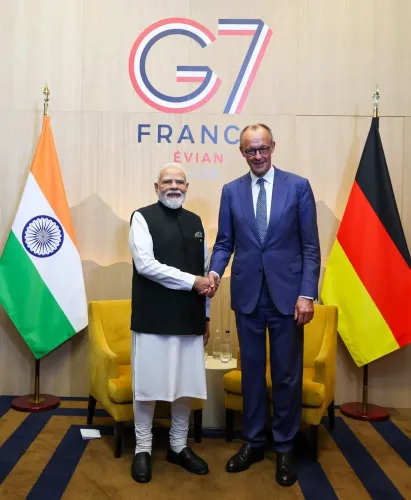
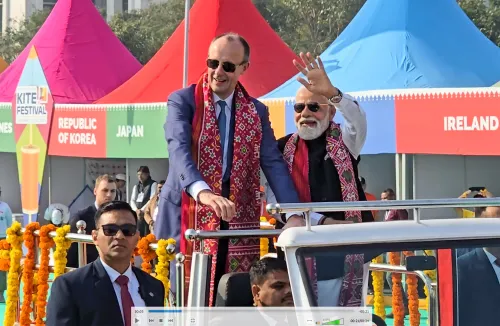
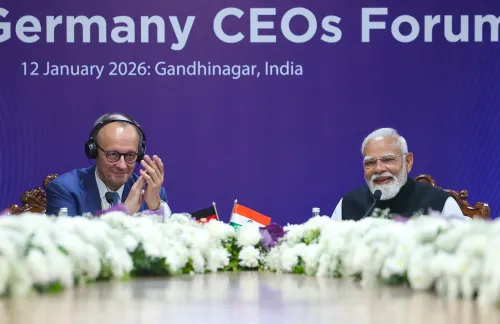
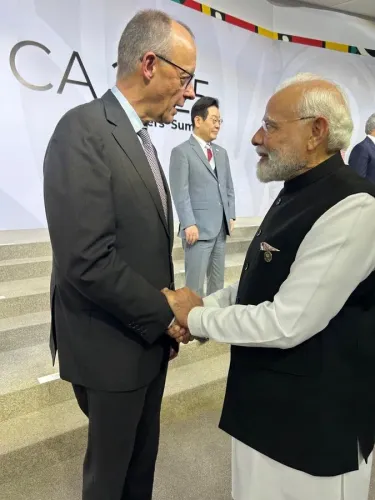
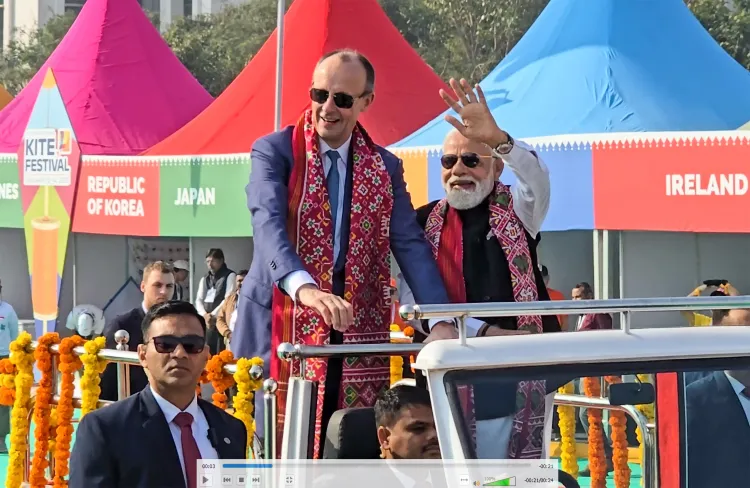
Recent reports have linked German Chancellor Friedrich Merz’s recent visit to India with the ongoing negotiations between India and the EU. His trip has emphasized Germany's commitment to expediting the agreement, emphasizing trade, investment, and green technology as key focus areas.
Merz’s visit on January 12-13 occurred as the talks entered a critical yet challenging stage, facing obstacles related to carbon border adjustment mechanisms (CBAM), market access, and regulatory standards.
This marked his inaugural official trip to Asia as Chancellor, signaling Berlin’s determination to enhance India’s status as a strategic ally in Europe’s Indo-Pacific strategy.
Negotiations for the India-EU FTA commenced in 2007 but faced delays due to disagreements over tariffs, intellectual property, and market access.
In 2022, discussions resumed with increased urgency as a result of global supply chain disruptions and geopolitical tensions.
The anticipated FTA aims to eliminate or reduce tariffs, broaden market access, and strengthen investment connections.
With the high tariffs imposed by the United States impacting trade, the FTA is expected to assist Indian exporters in diversifying their shipments and decreasing reliance on China.
While the agreement promises substantial benefits in terms of exports, investment, and supply chain diversification, it also raises concerns regarding regulatory challenges, market access, and the protection of domestic industries.
Upon signing, this would mark India’s 19th trade agreement, following recent agreements with New Zealand, Australia, the UAE, and Mauritius, among others.
Notably, the EU stands as India’s largest trading partner for goods, making up nearly 11 percent of India’s total trade. In 2024-25, India's exports were valued at $75.85 billion and imports at $60.68 billion.
The EU market represents about 17 percent of India’s total exports, with its own exports to India accounting for nine percent.
The agreement is likely to grant Indian exporters access to 450 million consumers in EU markets, known for their high purchasing power. Sectors such as textiles, leather, pharmaceuticals, and IT services are anticipated to gain from tariff reductions.
India’s Commerce Minister Piyush Goyal remarked that the FTA would "assist Indian exporters in diversifying markets at a time when elevated US tariffs and geopolitical tensions are reshaping global supply chains."
The EU is already a significant investor in India, and the FTA could foster increased FDI inflows, especially in green technology, renewable energy, and advanced manufacturing.
Given global trade disruptions, India has the potential to emerge as an alternative manufacturing hub for European firms, aligning with Prime Minister Narendra Modi’s "Make in India" initiative and promoting long-term industrial development.
However, some Indian farmers and small manufacturers express concerns about competing against subsidized European imports. Dairy and agriculture sectors are particularly sensitive, with Indian negotiators advocating for stronger safeguards against EU demands for greater access.
Additionally, the EU imposes stringent environmental and labor standards, leading some Indian exporters to worry about compliance challenges that may increase costs.
Furthermore, the EU seeks enhanced intellectual property protections, which could affect India's generic pharmaceutical sector. Concerns also arise regarding data privacy regulations that may limit Indian IT companies operating in Europe.
Indian negotiators are working to address these challenges. Following restrictions imposed by the US and the UK, New Delhi aspires for improved access for its IT and skilled professionals, while the EU remains cautious about liberalizing labor mobility. In summary, the concluded agreement could serve as a cornerstone of India’s global trade framework, bolstering its position in a multipolar world.
Point of View
It is crucial to highlight the significance of the ongoing India-EU negotiations, particularly in light of Germany's commitment to expediting the process. While the potential benefits of the FTA are substantial, it is essential to recognize the concerns raised by various stakeholders, including small manufacturers and farmers. A balanced approach must be adopted to ensure that India’s interests are safeguarded while embracing opportunities for growth and partnership.
NationPress
29 Sept 2026
Frequently Asked Questions
What is the India-EU Free Trade Agreement?
The India-EU Free Trade Agreement (FTA) is a proposed trade pact aimed at eliminating tariffs, enhancing market access, and deepening investment ties between India and the European Union.
What are the benefits of the FTA for India?
The FTA is expected to boost Indian exports, attract foreign investment, and provide Indian companies access to the EU's consumer base, thereby fostering economic growth.
What challenges might arise from the FTA?
Concerns include regulatory hurdles, market access issues, and the potential impact on domestic industries due to competition from subsidized European products.
How will the FTA affect Indian farmers?
Many Indian farmers are concerned that the FTA may expose them to competition from EU agricultural products, prompting calls for stronger safeguards.
When will the FTA be finalized?
While the negotiations are ongoing, a specific timeline for finalization has not been announced, as the talks are complex and involve various stakeholders.