Giriraj Singh: ₹18.66 Lakh Cr Gati Shakti Push Reaches Bihar
Synopsis
Union Textiles Minister Giriraj Singh posts that PM Gati Shakti has tracked 396 projects worth ₹18.66 lakh crore as of August 2026, with 198 under implementation and Bihar's Khagaria-Purnia corridor flagged as a key regional connectivity move.
Key Takeaways
396 projects worth ₹18.66 lakh crore incorporated into PM Gati Shakti National Master Plan as of 11 August 2026 .
256 projects have received approval; 198 are in the implementation stage .
The Khagaria-Purnia corridor in Bihar is planned to connect five economic centres under the framework.
PM Gati Shakti was launched by PM Narendra Modi in October 2021 to integrate multi-ministry infrastructure planning via a GIS digital platform.
The scheme's emphasis on eastern states signals a push to reduce logistics costs and support balanced regional development in Bihar and beyond.
India's infrastructure pipeline just crossed a landmark threshold — and Union Textiles Minister Giriraj Singh wants the country to take stock of exactly how far the PM Gati Shakti National Master Plan has come. On Tuesday, 13 October 2026, the senior BJP leader and Lok Sabha MP from Begusarai posted a detailed update on X, flagging that the GIS-powered planning framework is now tracking projects worth ₹18.66 lakh crore — and that his home state of Bihar is squarely in the frame.
The post, written in Hindi, states that the master plan is making infrastructure development across the country 'faster, smoother, and more systematic' (अधिक तेज, सुगम और व्यवस्थित). Digital technology, Singh notes, is strengthening planning, inter-sectoral coordination, and connectivity — the three pillars on which Gati Shakti was originally conceived.
₹18.66 Lakh Crore and 396 Projects: Where the Numbers Stand
Singh cites a specific milestone date: as of 11 August 2026, a total of 396 projects worth ₹18.66 lakh crore have been incorporated into the master plan. Of these, 256 have received approval and 198 are in the implementation stage — a sign that a substantial chunk of the pipeline has moved from the drawing board to the ground.
The PM Gati Shakti National Master Plan was launched by Prime Minister Narendra Modi in October 2021 with the explicit goal of breaking the inter-ministry silos that had historically slowed India's infrastructure rollout. By putting roads, railways, ports, and logistics corridors onto a single digital platform, the plan aimed to eliminate duplication, compress timelines, and lower logistics costs across the economy.
Bihar's Khagaria-Purnia Corridor: Five Economic Centres, One Corridor
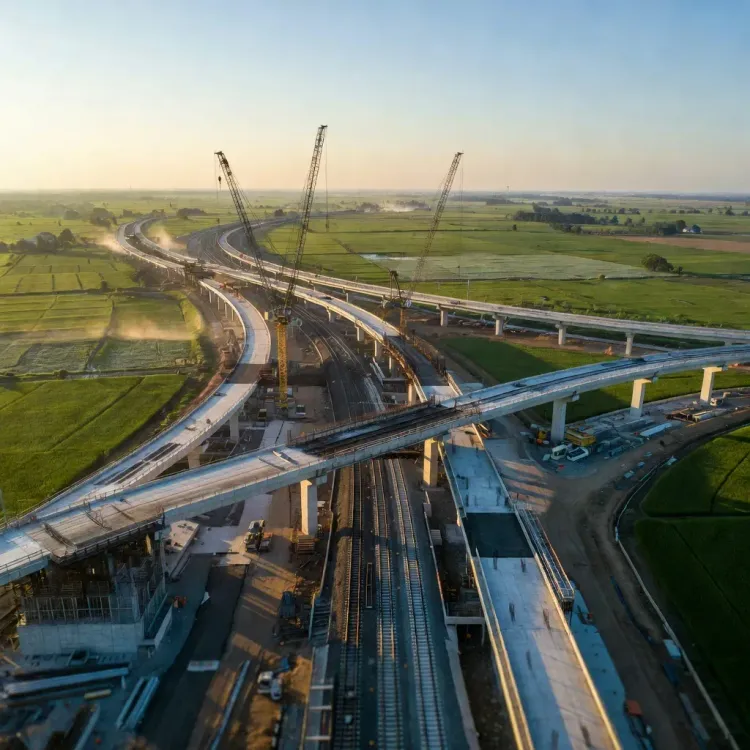
The most specific — and politically resonant — detail in Singh's post is the mention of the Khagaria-Purnia corridor in Bihar. The planned project aims to link five economic centres in the state, plugging a connectivity gap in one of eastern India's most logistics-challenged regions.
The corridor fits a broader pattern in the Gati Shakti rollout: an increasing emphasis on bringing the framework's integrated planning tools to eastern and northern states where last-mile connectivity has traditionally lagged. Better road-rail links in this belt are expected to reduce freight costs, support agricultural supply chains, and unlock industrial potential in districts that sit well off the National Highway grid.
Singh's constituents in Begusarai — a district that sits between the Khagaria and Munger belts — stand directly in the zone of influence of improved east-Bihar connectivity, giving the minister a personal stake in the corridor's progress alongside his national portfolio responsibilities.
Gati Shakti at Five: The Digital Architecture Behind the Claims
Since its inception, the master plan has operated through a centralised geospatial portal that allows ministries to overlay their project pipelines and spot conflicts or synergies in real time. The consistent use of a single project-tracking dashboard has made it possible to publish figures like the ones Singh cites — approval rates, implementation stages — with a precision that older sector-by-sector planning did not afford.
Watchers of the scheme will be tracking whether the Khagaria-Purnia corridor shows up in forthcoming state or central ministry progress reports, and whether it dovetails with adjacent frameworks such as Bharatmala or the Dedicated Freight Corridor network — two programmes whose geography intersects with Bihar's eastern belt.
Five years in, Gati Shakti's real test is not how many projects have been approved — it is how many kilometres of corridor are actually open. The corridor in Khagaria and Purnia will be one answer to that question.
Point of View
Project values, implementation stages — to build a narrative of governance delivery ahead of the Bihar electoral cycle. The specific callout of the Khagaria-Purnia corridor, a project with direct relevance to his Begusarai constituency zone, blends national policy communication with regional political messaging. Gati Shakti's shift from a launch-phase story to an implementation-accountability story means the government must increasingly answer not just how many projects are 'approved' but how many are visibly on the ground — a standard that will define how well this communication lands.
NationPress
13 Oct 2026
Frequently Asked Questions
What is the PM Gati Shakti National Master Plan?
PM Gati Shakti National Master Plan is a GIS-based infrastructure planning framework launched by Prime Minister Narendra Modi in October 2021 to coordinate projects across central ministries — roads, railways, ports — on a single digital platform to improve multimodal connectivity and reduce logistics costs.
How many projects are under PM Gati Shakti as of 2026?
According to Union Minister Giriraj Singh's post, as of 11 August 2026, a total of 396 projects worth ₹18.66 lakh crore have been incorporated, with 256 approved and 198 in the implementation stage.
What is the Khagaria-Purnia corridor in Bihar?
The Khagaria-Purnia corridor is a proposed road-rail connectivity project in Bihar under the Gati Shakti framework, designed to link five economic centres in the state and improve logistics and regional development in eastern India.
What is Giriraj Singh's role in BJP?
Giriraj Singh is a senior BJP leader, Union Minister of Textiles in the Government of India, and a Lok Sabha MP elected from the Begusarai constituency in Bihar.
How does Gati Shakti use digital technology for infrastructure planning?
Gati Shakti operates through a centralised geospatial portal that allows multiple ministries to overlay their project pipelines in real time, helping identify overlaps or synergies, align timelines, and track approval and implementation stages across sectors.