Giriraj Singh lauds Army uniform recycling for needy children
Synopsis
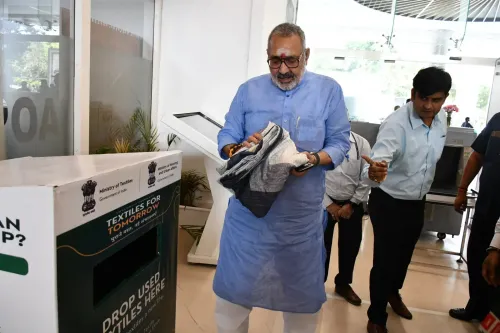
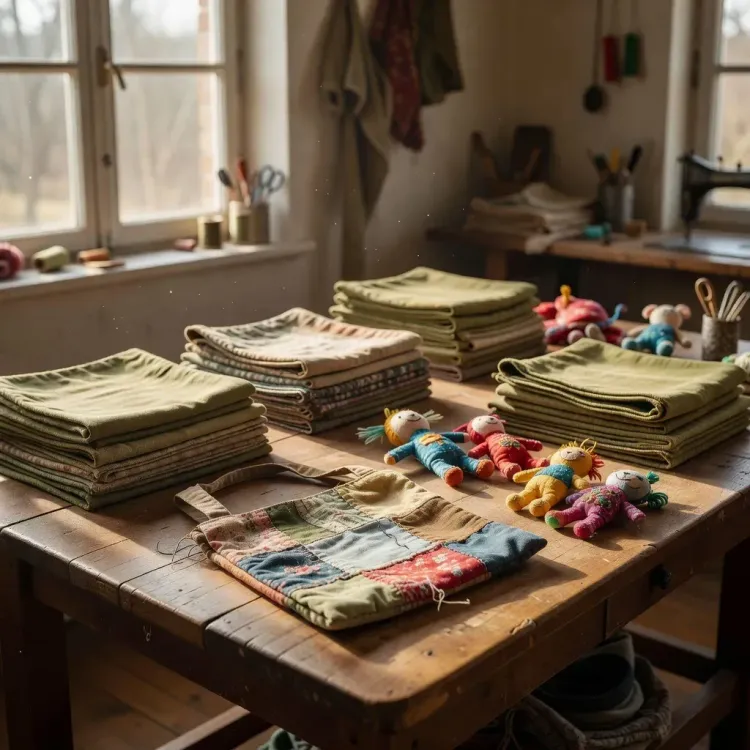
Union Textiles Minister Giriraj Singh praised an initiative recycling old Indian Army uniforms into bags, toys, and goods for underprivileged children, calling it an inspiring model of resource efficiency and social commitment on 20 November 2026.
Key Takeaways
Union Textiles Minister Giriraj Singh publicly praised an initiative repurposing old Indian Army uniforms into bags, toys, and other products for needy children.
The minister described the effort as an inspiring example of better resource use and social concern ( preranadayak udaharan ).
Waste or surplus military fabric is being upcycled into usable goods that are then distributed to underprivileged children.
No specific implementing agency or programme scale has been officially announced; a formal policy follow-up remains the key development to watch.
The initiative aligns with the Ministry of Textiles' broader emphasis on circular economy and textile waste reduction.
Old military uniforms becoming bags, toys, and everyday goods for children who need them most — Union Textiles Minister Giriraj Singh called out exactly this kind of initiative on Friday, 20 November 2026, praising efforts to transform waste fabric from the Indian Army into useful products that reach underprivileged kids.
Posting in Hindi on X, Singh described the initiative as 'preranadayak udaharan' — an inspiring example — of better resource use and social commitment. 'Converting old Army uniforms into bags, toys, and other items from waste fabric and delivering them to children in need is an inspiring example of better use of resources and social concern,' he wrote.
Waste fabric, real impact: what the initiative involves
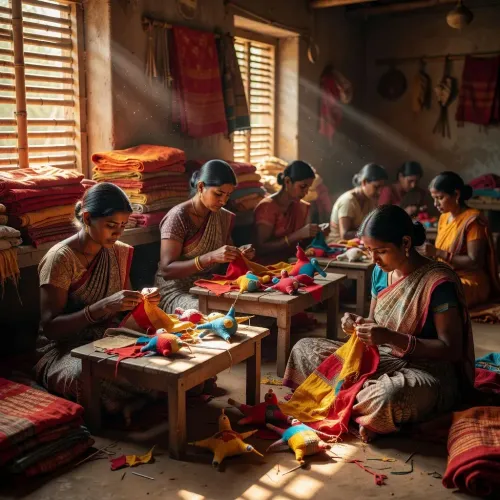
The core idea is straightforward but significant: instead of discarding retired Indian Army uniforms, the fabric is reworked into tangible goods — bags, toys, and other items — that are then channelled to children who lack them. The Textiles Minister's public endorsement signals at minimum a policy-level appreciation for such circular approaches, even if the specific implementing agency has not been formally named in an official announcement.
Textile recycling from military surplus is not an entirely new concept. Public sector entities and civil-society groups have experimented with upcycling defence fabric over the years, but formal, scaled programmes with welfare delivery attached remain rare. Singh's praise suggests this model — linking material recovery to social outreach — is gaining attention at the ministerial level.
Where the Textiles Ministry's circular economy push stands
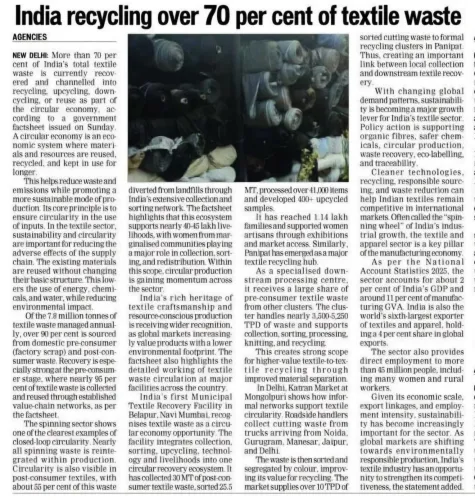
The Ministry of Textiles has periodically highlighted resource efficiency and circular economy goals as part of India's broader push to reduce textile waste, one of the manufacturing sector's most stubborn environmental challenges. Endorsing a model that combines waste reduction with welfare delivery for children fits neatly into that dual agenda — sustainability and social equity addressed in a single supply chain.
The watch item now is whether Singh's praise translates into formal ministry backing: a named implementing partner, a measurable target for uniform collection, or an official scheme. A minister's public commendation often precedes — or accelerates — exactly that kind of institutional support.
Point of View
This post will read as the starting gun.
NationPress
20 Nov 2026
Frequently Asked Questions
What initiative did Giriraj Singh praise on 20 November 2026?
He praised an initiative that recycles old Indian Army uniforms into bags, toys, and other useful items, which are then distributed to underprivileged children.
Which organisation is the source of the uniforms being recycled?
The uniforms come from the Indian Army — retired or surplus military clothing is being upcycled into new products rather than discarded.
Is there an official government scheme for recycling Army uniforms for children?
No formal scheme with a named implementing agency or official launch has been announced as of this report; the minister expressed public appreciation but no binding programme details have been confirmed.
How does this fit into the Ministry of Textiles' agenda?
The Ministry of Textiles has emphasised circular economy goals and reducing textile waste. Repurposing military fabric for social welfare aligns with both resource-efficiency and welfare-delivery priorities the ministry has signalled.
What products are being made from old Army uniforms?
According to Singh's post, the waste fabric is being converted into bags, toys, and other items, which are then delivered to children in need.