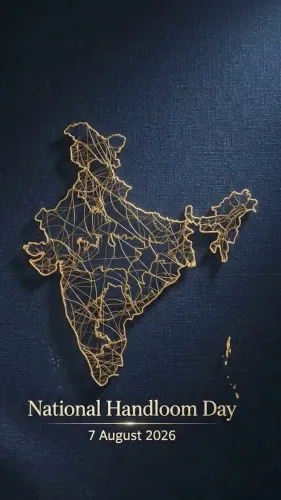
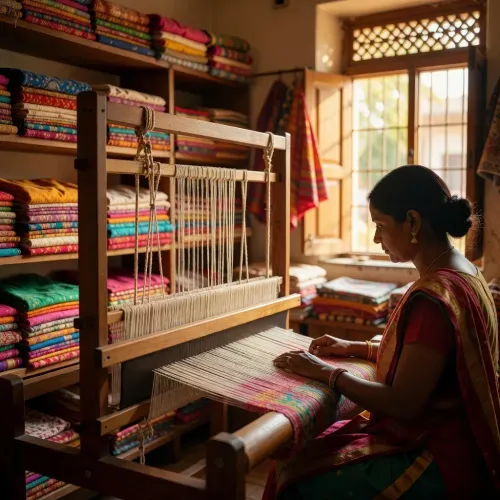
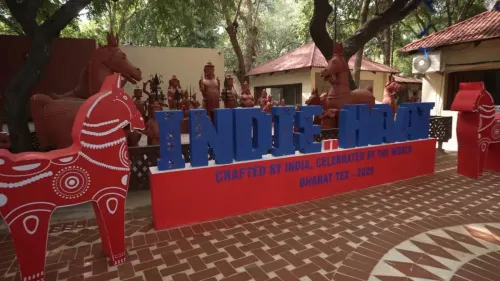
Giriraj Singh Celebrates India's Textile Heritage
Synopsis
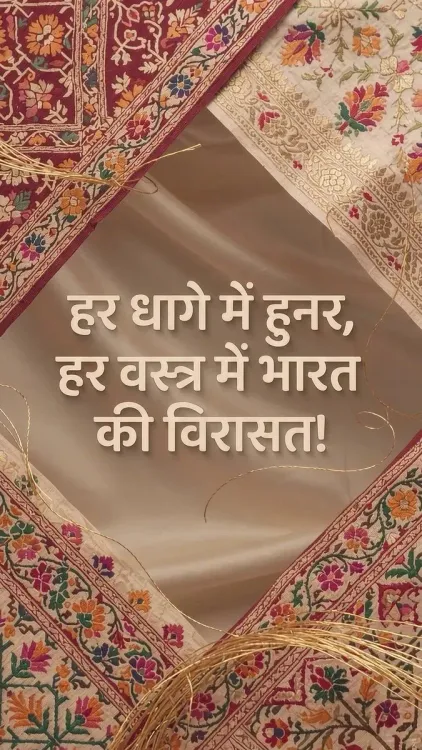
Union Textiles Minister Giriraj Singh celebrated India's rich textile heritage on X, calling every thread a story of tradition and artisan creativity. The post reflects the ministry's long-standing framing of Indian weaves as cultural assets and economic lifelines for millions of craftspeople.
Key Takeaways
Union Textiles Minister Giriraj Singh posted a tribute to Indian textile heritage on 22 October 2026 .
He called Indian fabrics a repository of 'rich cultural heritage, artisan skill, and generational art.' The Ministry of Textiles has backed Geographical Indication registrations for regional weaves to protect authenticity and artisan livelihoods.
India's handloom and handicraft sector is among the largest cottage-industry employers in the country.
Such messaging from the minister typically precedes or accompanies reviews of handloom promotion schemes or GI tag expansions.
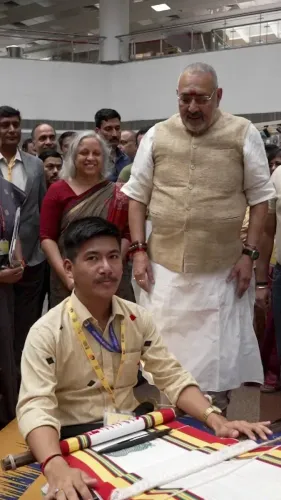
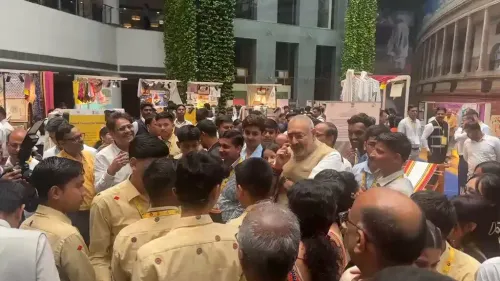
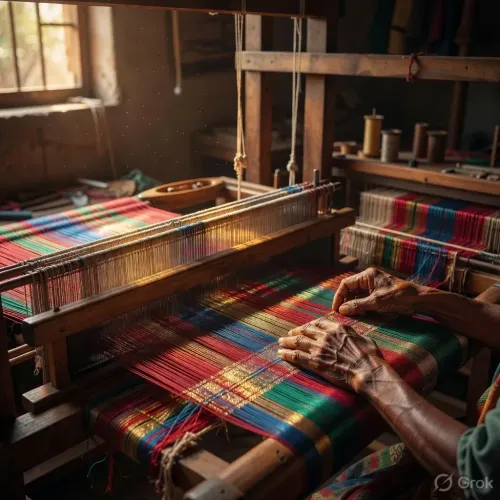
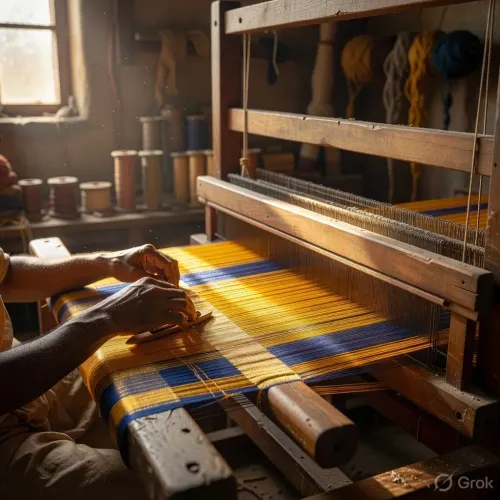
Every thread tells a story. Union Textiles Minister Giriraj Singh on Thursday, 22 October 2026, took to X to celebrate the cultural soul woven into Indian fabrics — calling out the artisans, the craft traditions, and the generational artistry that make India's textile legacy one of the world's richest.
Posting in Hindi, the Minister wrote: 'भारत के रंग, भारतीय वस्त्रों के संग!' — 'The colours of India, together with Indian textiles!' — before invoking the 'rich cultural heritage, the skill of artisans, and the art preserved across generations' that lives inside every Indian weave. 'Every thread,' he said, 'tells the story of Indian tradition and creativity.'
A ministry and its mandate
The sentiment is not merely poetic — it reflects a deliberate framing that the Ministry of Textiles has long embraced. Successive governments have positioned traditional weaves — from Banarasi silk and Kanjeevaram to Pashmina and Pochampally ikat — as carriers of both cultural identity and economic livelihood. The ministry has supported Geographical Indication registrations for regional weaves, helping protect the authenticity of heritage clusters and the livelihoods of the artisans behind them.
India's handloom and handicraft sector employs millions of weavers and craftspeople, making it one of the largest cottage-industry employers in the country. Messaging of this kind from the minister typically signals attention toward artisan welfare schemes, GI tag expansions, or promotional pushes that encourage consumers to choose Indian handmade over mass-produced alternatives.
Giriraj Singh, a senior BJP leader and Lok Sabha MP from Begusarai, Bihar, has consistently used his ministerial platform to amplify the cultural dimension of India's textile economy — underscoring that the sector is not just about exports and employment figures, but about preserving a civilisational craft tradition.
The next signal to watch: fresh ministry statements on artisan welfare allocations or new GI tag designations for regional weave clusters.
Point of View
Not just export commodities. This soft-power positioning serves a dual purpose: it builds domestic consumer pride to sustain demand for handloom products, and it reinforces India's cultural-diplomacy narrative globally. The emphasis on artisan skill and generational craft also keeps political attention on rural employment clusters ahead of any welfare-allocation announcements. Watching whether concrete policy moves — new GI registrations, enhanced artisan welfare budgets — follow the rhetoric will reveal how substantive this messaging cycle is.
NationPress
22 Oct 2026
Frequently Asked Questions
What did Giriraj Singh say about Indian textiles?
He wrote that India's textiles carry the country's 'rich cultural heritage, artisan skill, and art preserved across generations,' adding that every thread tells the story of Indian tradition and creativity.
What is Giriraj Singh's role in the Indian government?
Giriraj Singh is the Union Minister of Textiles , a senior BJP leader, and the Lok Sabha MP from Begusarai, Bihar .
Why does the Ministry of Textiles promote cultural heritage?
The ministry frames traditional weaves as carriers of both cultural identity and economic livelihood, supporting GI tag registrations and artisan welfare schemes to protect regional craft traditions.
What is a Geographical Indication tag for Indian textiles?
A GI tag is a legal designation that certifies a textile product's origin from a specific region, protecting its authenticity — for example, Banarasi silk or Pashmina — and safeguarding the livelihoods of local artisans.
How many people does India's handloom sector employ?
India's handloom and handicraft sector employs millions of weavers and craftspeople, making it one of the largest cottage-industry employers in the country.